
Albany, OR
- Elevation
- 212 ft
- General Quality Overall rating out of 100
Highlights
What stands out in Albany
Explore
More places like Albany
About Albany
Settled along the confluence of the Willamette and Calapooia rivers, Albany sits right in the heart of Oregon's Willamette Valley. The town began as a bustling riverboat landing in the mid-nineteenth century, and much of that heritage is still visible today. Albany is well known for having one of the most concentrated collections of historic homes in the state. Tree-lined neighborhoods in districts like Monteith and Hackleman showcase beautifully preserved Victorian, Craftsman, and Colonial houses, giving the area a distinct small-town charm within easy reach of larger cities.

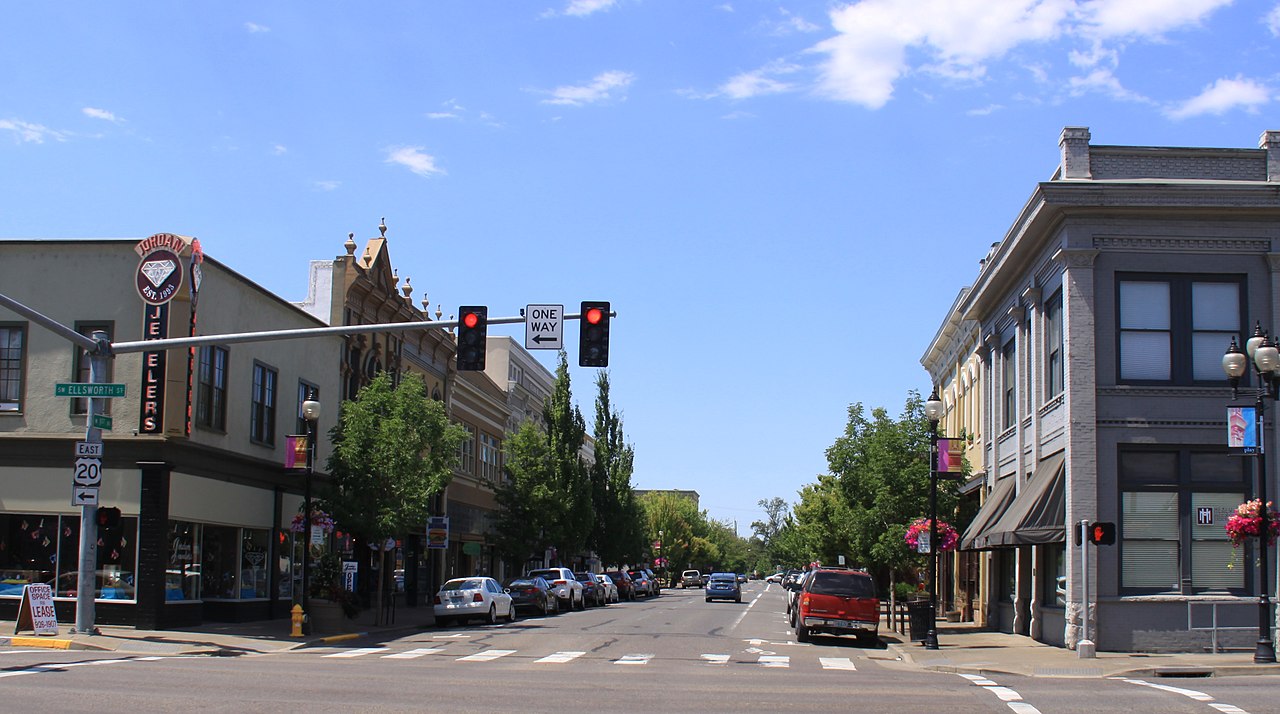
Downtown Albany and the riverfront serve as the community's primary gathering spots. Monteith Riverpark recently underwent a major renovation, adding a modern outdoor stage, splash pads, play areas, and scenic walking paths right along the water. During the summer, locals bring blankets and lawn chairs on Thursday evenings for River Rhythms, a popular free concert series that has been running for decades. Just up the street sits the Albany Historic Carousel and Museum, a downtown favorite where visitors can ride hand-carved wooden animals or watch volunteer artisans carve new figures in the open studio.

Albany's economy combines an industrial foundation with expanding regional opportunities. Long recognized for metallurgy and specialized materials research, the city also supports a steady mix of agriculture, food processing, and healthcare anchored by Samaritan Albany General Hospital. Situated along Interstate 5 and right next door to Corvallis, Albany offers an easy commute to major regional employers like Oregon State University and Hewlett-Packard, making it an attractive home base for commuters looking for more affordable housing options.

Everyday amenities and community events keep the city connected. Linn-Benton Community College anchors the south side of town, providing extensive career training, trade programs, and transfer pathways. Getting around is straightforward thanks to fare-free city buses and direct transit links into Corvallis. Throughout the year, local parks host signature gatherings, most notably the Northwest Art and Air Festival every August at Timber Linn Memorial Park, where morning hot air balloon launches and evening glows draw crowds from all across the region.
Top Rating Signals
Highest current ratings for this town.
Loading town details...