
Birmingham, AL

- Elevation
- 609 ft
- General Quality Overall rating out of 100
Highlights
What stands out in Birmingham
Explore
More places like Birmingham
About Birmingham
Birmingham earned its nickname, the Magic City, because it grew so rapidly in the late nineteenth century around rich deposits of iron ore, coal, and limestone. For decades, iron and steel production drove the local economy, drawing tens of thousands of workers to foundries and rail yards across the valley. While the era of heavy manufacturing has passed, that industrial backbone still shapes the city's character. Giant rusted smokestacks and tangled pipes from Sloss Furnaces still stand on the eastern edge of downtown, preserved as a national historic landmark and a striking reminder of the city's origins.

The city also holds a central place in the American civil rights movement. During the 1960s, local leaders like Reverend Fred Shuttlesworth partnered with Martin Luther King Jr. to organize demonstrations that drew national attention to the fight against segregation. Today, a four-block district downtown preserves these pivotal sites as a National Monument. You can walk through Kelly Ingram Park, visit the historic 16th Street Baptist Church, and spend an afternoon at the Birmingham Civil Rights Institute to better understand the events that shaped the modern city.
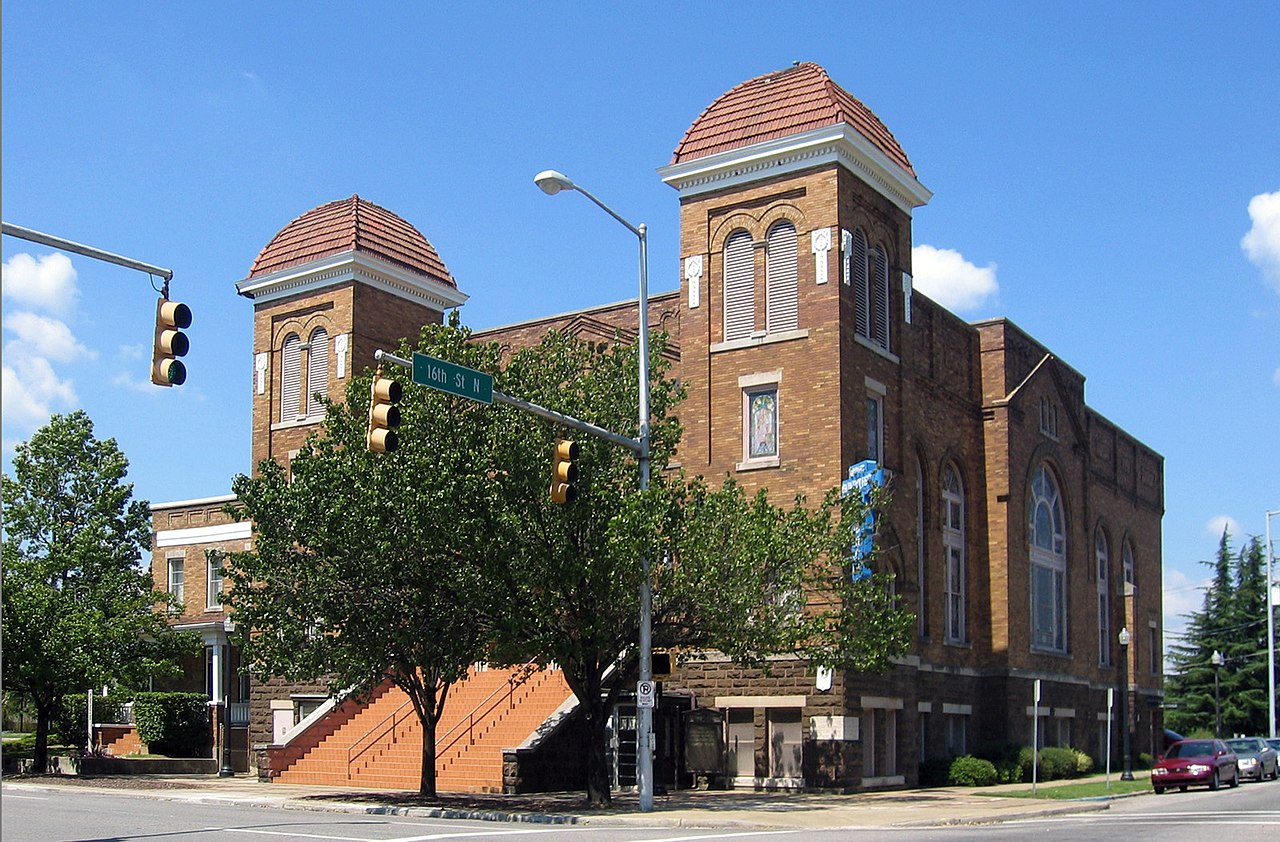
Healthcare and education anchor the modern local economy, largely centered in the Southside neighborhood. The University of Alabama at Birmingham (UAB) and its extensive hospital system make up the state's largest employer, bringing an energetic mix of doctors, researchers, and students into the area every day. Nearby, Five Points South offers walkable blocks filled with historic architecture, local dining, and neighborhood cafes. Between Southside and downtown sits Railroad Park, a nineteen-acre green space where residents gather for morning runs, food truck meetups, and lawn concerts while freight trains roll past.
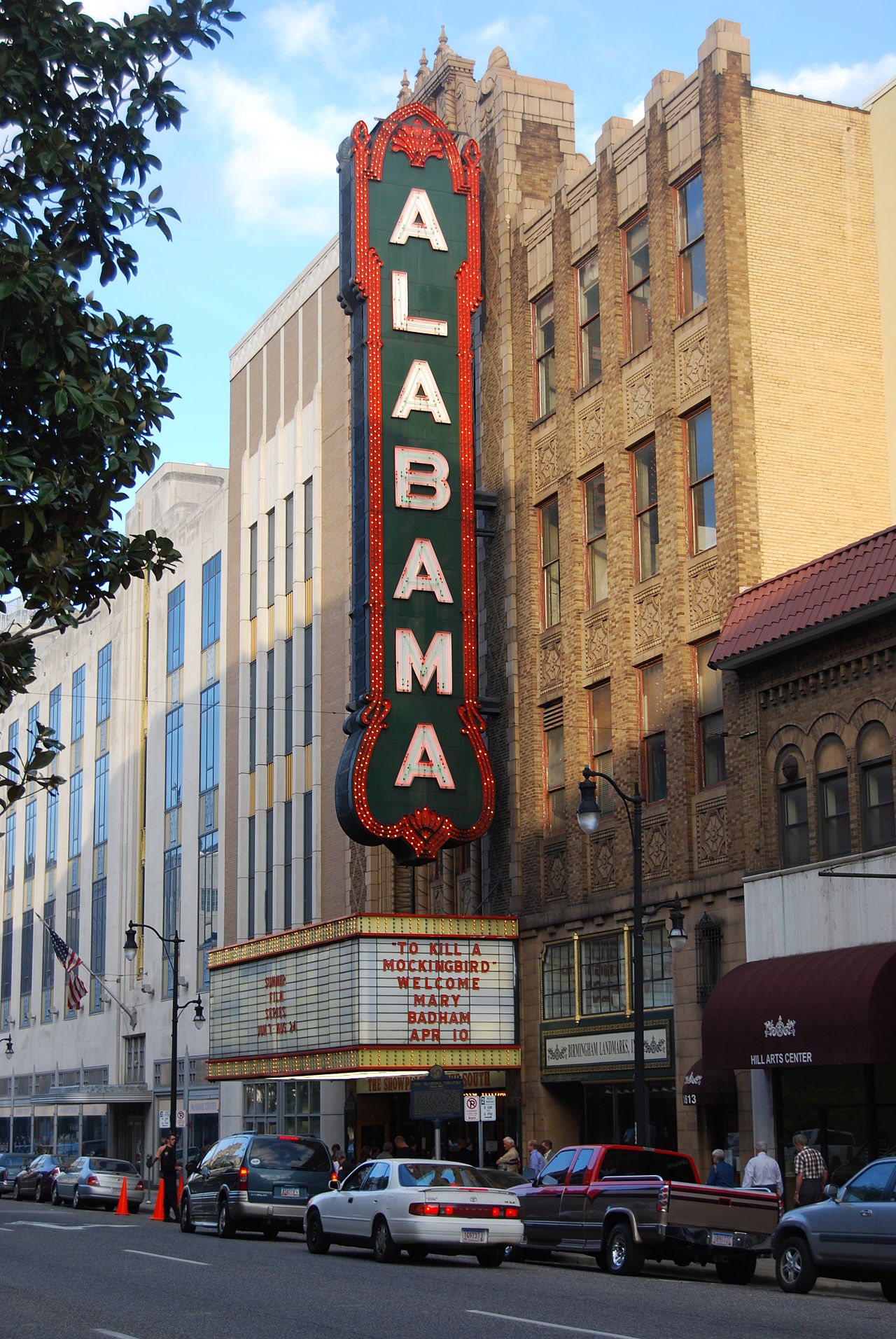
Railroad Park also connects directly to the Rotary Trail and pedestrian paths leading toward popular breweries and converted warehouse lofts. A few minutes east, Sloss Furnaces has found a second life as an open-air venue, hosting music festivals, craft markets, and hands-on metal-pouring workshops among the towering iron structures. Birmingham blends this industrial heritage with a celebrated food scene, leafy hillside neighborhoods, and an accessible cost of living, giving newcomers an easygoing pace alongside plenty of city amenities.
Top Rating Signals
Highest current ratings for this town.
Loading town details...