
Broken Arrow, OK
- Elevation
- 756 ft
- General Quality Overall rating out of 100
Highlights
What stands out in Broken Arrow
Explore
More places like Broken Arrow
About Broken Arrow
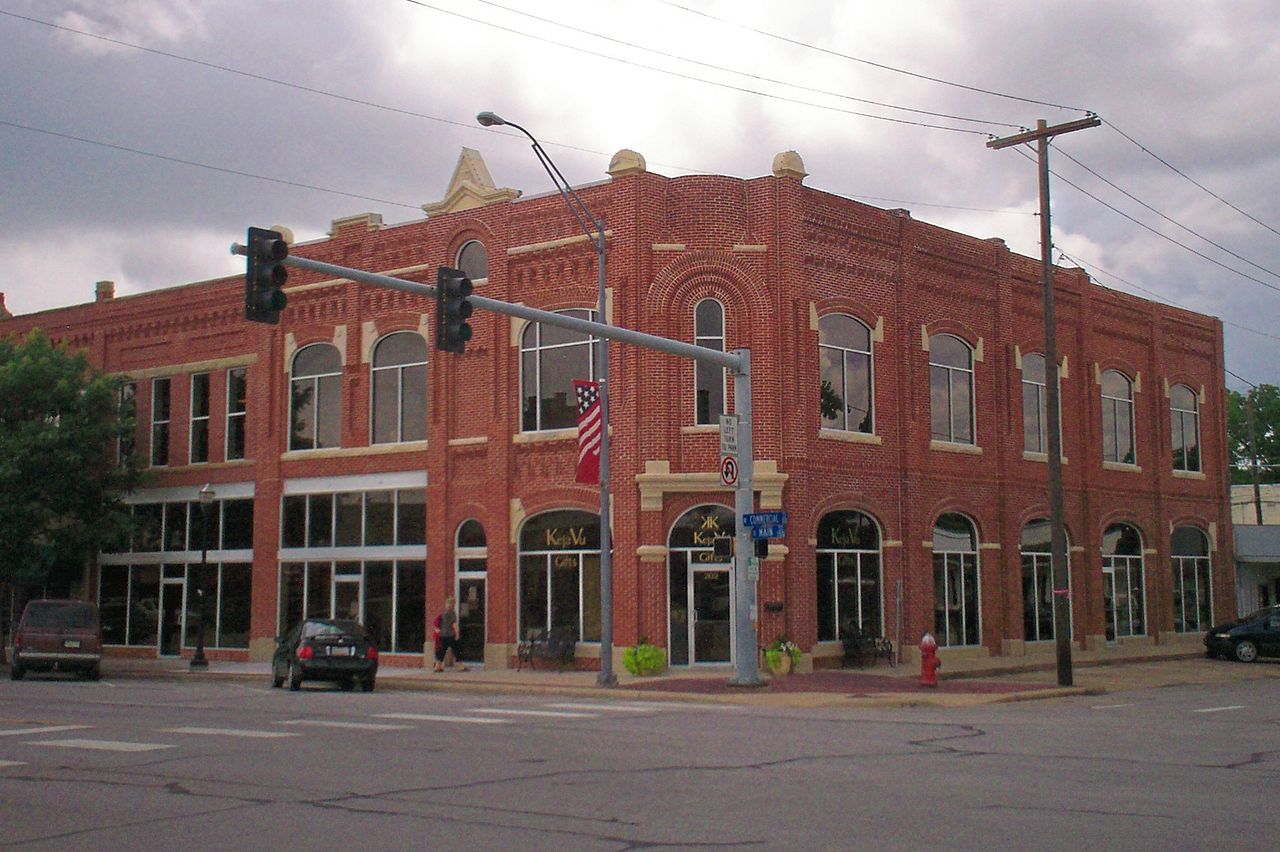
Broken Arrow has deep roots that start long before the railroad arrived. Muscogee Creek families founded the settlement in the 1830s after being forced along the Trail of Tears from Alabama, naming it after their ancestral tribal town of Thlikachka, which translates to Broken Arrow. In 1902, a railroad depot sparked a fresh wave of development, laying out the grid that grew into the vibrant community of over 113,000 people living here today. Right at the historic heart of that original street grid sits the Rose District, where Main Street anchors everyday community gatherings, local dining, and family strolls.

If you want a quick sense of Broken Arrow's personality, spend a Saturday morning downtown in the Rose District. The local farmers market brings together dozens of vendors selling Oklahoma produce, fresh baked goods, and handmade crafts right along Main Street. Down the block, the Broken Arrow Performing Arts Center brings Broadway tours, symphony concerts, and student performances to town throughout the year. Between annual traditions like the Rose Festival, the local history museum near the old depot, and a steady mix of locally owned boutiques and sidewalk patios, downtown gives residents an inviting place to meet up on weekends.

While Broken Arrow is known for quiet suburban neighborhoods and strong schools, it also carries a surprisingly robust job market of its own. Hundreds of manufacturing and tech facilities operate throughout the city, building everything from flight simulators and combustion machinery to medical equipment. These industrial and engineering hubs provide thousands of local jobs, while quick access to major expressways makes for an easy commute into downtown Tulsa. Combined with busy retail corridors along 71st Street and Kenosha, residents find plenty of career opportunities and everyday conveniences close to home.

Life in Broken Arrow stretches well beyond Main Street, with plenty of recreation and neighborhood spots spread across town. On the south side, the recently revitalized New Orleans Square offers its own mix of neighborhood restaurants, shops, and outdoor community block parties. For fresh air, families head over to Events Park, a sprawling green space that hosts youth sports, seasonal festivals, and a major outdoor concert venue. Having active community hubs in different corners of the city means you can easily spend your morning at a farm stand downtown, head to a park in the afternoon, and catch live music near your neighborhood by evening.
Top Rating Signals
Highest current ratings for this town.
Loading town details...