
Clarksville, TN
- Elevation
- 474 ft
- General Quality Overall rating out of 100
Highlights
What stands out in Clarksville
Explore
More places like Clarksville
About Clarksville
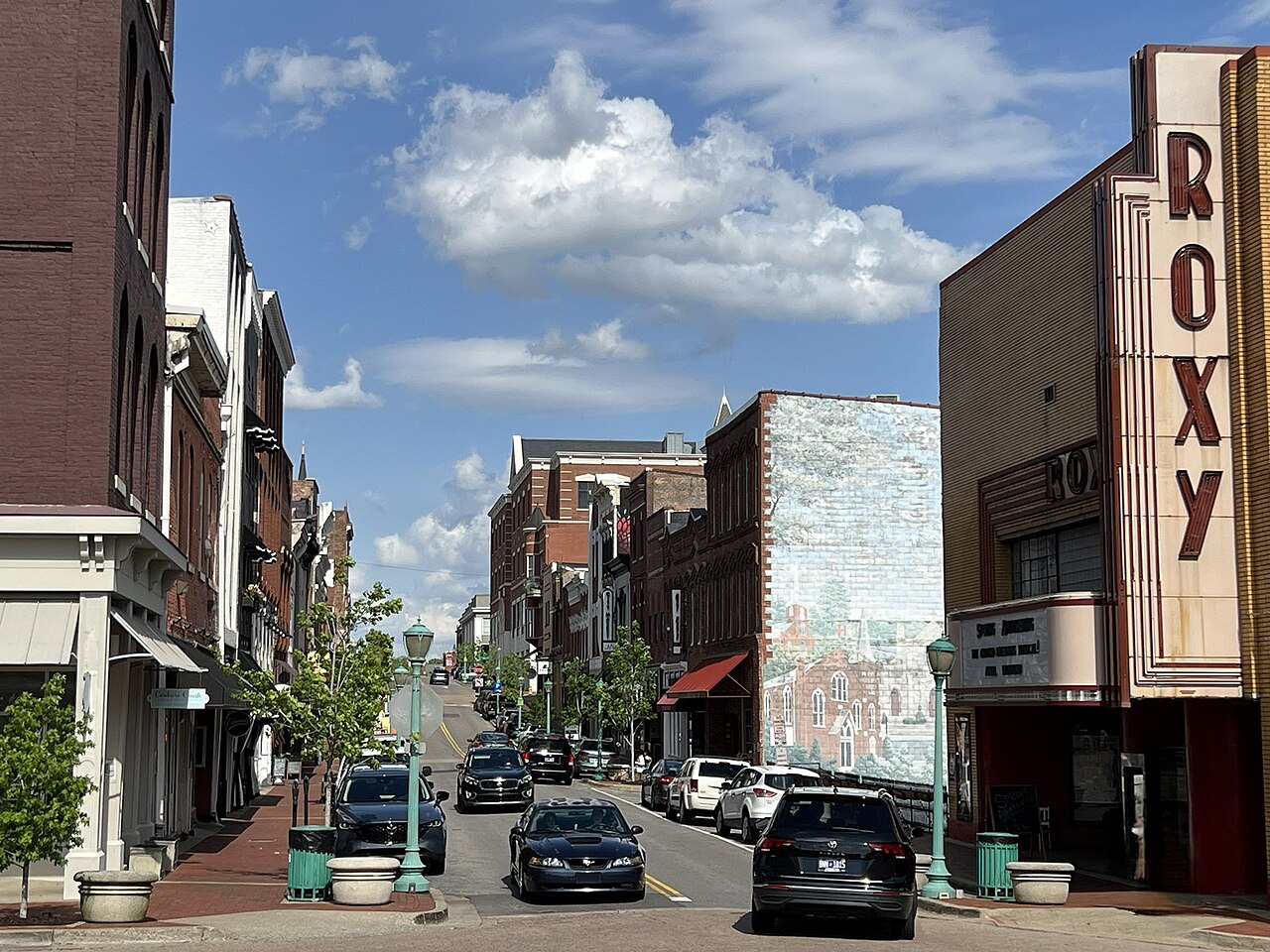
Clarksville grew up where the Red and Cumberland rivers meet, starting out in the late 1700s as a frontier river port that shipped tobacco down to the Ohio and Mississippi. While the city has grown well beyond those early riverbanks, that historic core still anchors the community. You can see this heritage reflected in the brick storefronts downtown and up at Fort Defiance, which sits high on the bluffs overlooking the river confluence. The fort played a major role during the Civil War, serving as a refuge for escaped slaves and a recruitment center for the U.S. Colored Troops. Today, those same bluffs and historic districts offer scenic views, walking trails, and a strong sense of local character.

A big part of what defines modern Clarksville is its close connection to Fort Campbell, sitting right along the Kentucky border. As home to the 101st Airborne Division, the installation brings thousands of soldiers, military families, and veterans into the area, giving the community a welcoming, diverse, and youthful feel. Downtown, Austin Peay State University adds steady energy to the local scene. The campus enrolls more than 11,000 students, about a third of whom are military-affiliated, and keeps the area active with college sports, art exhibits, and community events within easy walking distance of local restaurants and shops.

Beyond the military and higher education, Clarksville has built a strong local economy backed by a growing industrial and manufacturing base. Major employers like LG and Hankook Tire operate large facilities on the outskirts of town, offering steady career opportunities alongside regional healthcare and logistics hubs. When the workday wraps up, outdoor recreation often centers back on the water. McGregor Park and the Cumberland RiverWalk are popular local spots for evening walks, weekend picnics, boat launches, and outdoor festivals. It makes for a practical, friendly city where you can find good work, enjoy a walkable downtown, and spend time outdoors along the river.
Top Rating Signals
Highest current ratings for this town.
Loading town details...