
Folsom, CA

- Elevation
- 220 ft
- General Quality Overall rating out of 100
Highlights
What stands out in Folsom
Explore
More places like Folsom
About Folsom
Tucked into the Sierra Nevada foothills just east of Sacramento, Folsom combines rich Gold Rush history with the perks of a modern, outdoor-loving community. The town grew around the American River during the 1850s, eventually booming as a regional hub for rail, early electric power, and water infrastructure. Today, the natural landscape defines daily life here. Folsom Lake and Lake Natoma border the northern edge of town, giving residents quick access to boating, waterfront parks, and scenic foothill views right in their backyard.

Highway 50 splits the city into two distinct areas. North of the freeway, you will find established neighborhoods with mature tree-lined streets, quiet cul-de-sacs, and easy access to the water. South of the freeway, the newer Folsom Ranch development is expanding rapidly, offering master-planned communities with brand-new elementary schools, expansive neighborhood parks, and fresh shopping centers. Folsom also serves as a major employment center for the region, hosting large tech campuses like Intel alongside healthcare and corporate offices.
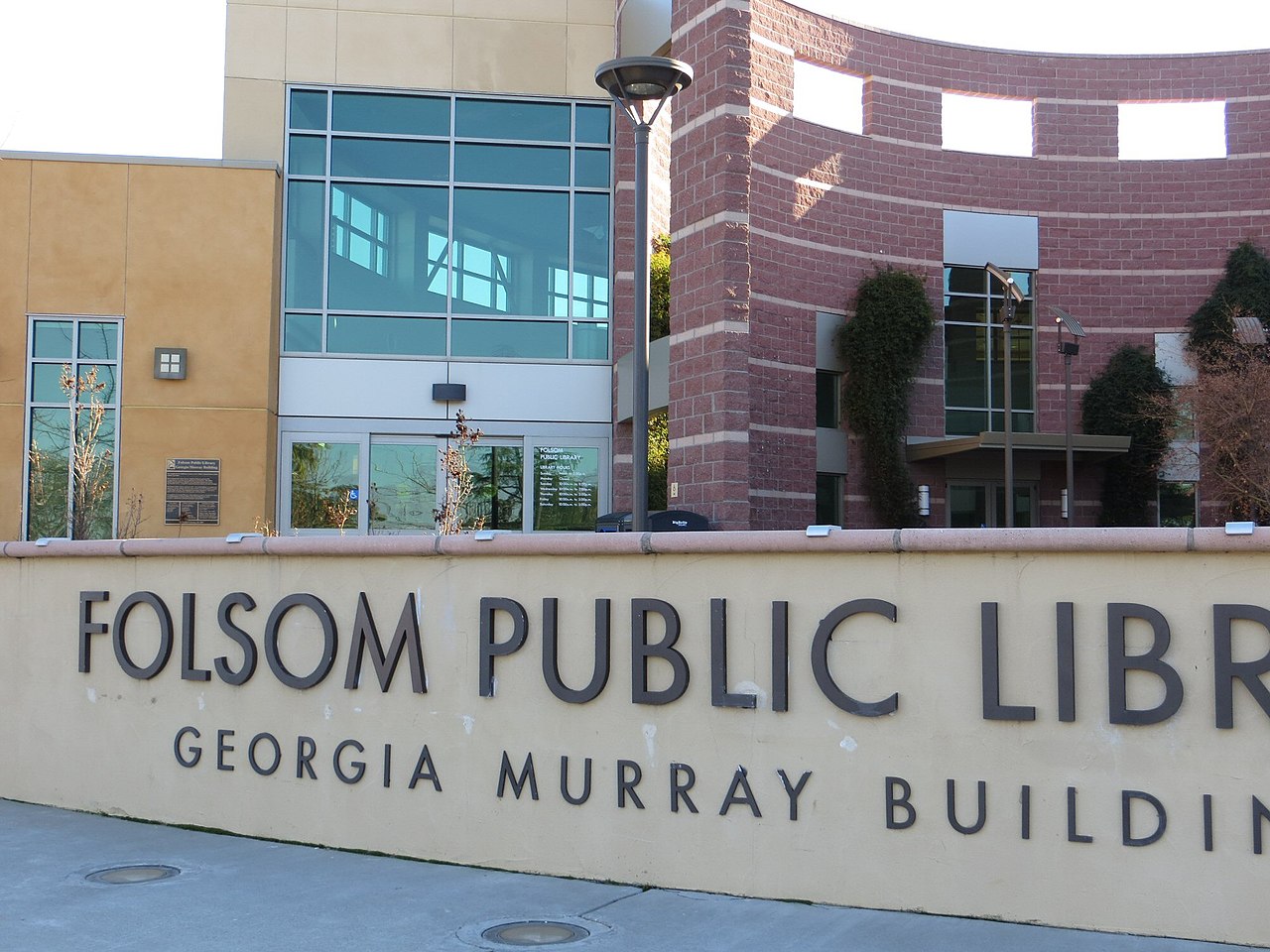
Everyday convenience and local culture are big draws for newcomers. On the east side of town, Folsom Lake College houses the Harris Center for the Arts, a premier performing arts venue that hosts touring musicians, comedy acts, and local theater productions. Commuting around the region is straightforward thanks to Highway 50 and the SacRT Gold Line light rail, which connects several local stations directly to downtown Sacramento. The city also shares a unique history with Folsom State Prison, which remains an active employer near the river bluffs.

For weekend fun, Historic Folsom along Sutter Street serves as the town gathering place, filled with walkable blocks of independent boutiques, coffee spots, craft breweries, and lively outdoor dining. Outdoor lovers can explore more than 50 miles of paved trails connecting residential neighborhoods directly to the waterways. Lake Natoma is a popular spot for calm-water kayaking and paddleboarding, while the scenic Johnny Cash Trail gives cyclists and runners a memorable route crossing custom bridges with public art celebrating the town musical heritage.
Top Rating Signals
Highest current ratings for this town.
Loading town details...