
Grand Rapids, MI
- Elevation
- 640 ft
- General Quality Overall rating out of 100
Highlights
What stands out in Grand Rapids
Explore
More places like Grand Rapids
About Grand Rapids
If you spend any time downtown, you quickly run into "the Calder," the bright red, 42-ton steel sculpture that locals treat as the city's unofficial symbol. Installed in 1969 on Calder Plaza, Alexander Calder's *La Grande Vitesse* made history as the country's first federally supported civic artwork, and its sweeping curves inspired the city's official logo. Just steps away, the Grand River cuts through the center of town, lined with walking paths, parks, and historic bridges. Long before traders arrived in the 1820s, the river served as a gathering place for the Odawa, and it still anchors the layout of the city center today.

Grand Rapids earned its longstanding nickname, "Furniture City," back in the late nineteenth century when local craftspeople gained worldwide recognition for their woodworking. While you can tour vintage factory equipment at the Grand Rapids Public Museum, that design heritage is still active today. Global office furniture giants like Steelcase and Haworth call the region home, anchoring a diverse manufacturing base. That maker culture also helped spark the local craft brewing scene, earning Grand Rapids its newer title as "Beer City USA," with dozens of neighborhood taprooms and independent restaurants across town.

Healthcare, education, and biomedical research have grown into major job creators throughout the metro area. A stretch along Michigan Street known as the Medical Mile brings together Corewell Health hospitals, the Van Andel Institute, and medical campuses for Michigan State and Grand Valley State University. Combined with retail headquarters like Meijer and a steady base in tech, packaging, and food production, the local economy offers solid opportunities across several fields. It gives the area a well-rounded job market with options for both corporate careers and specialized trades.

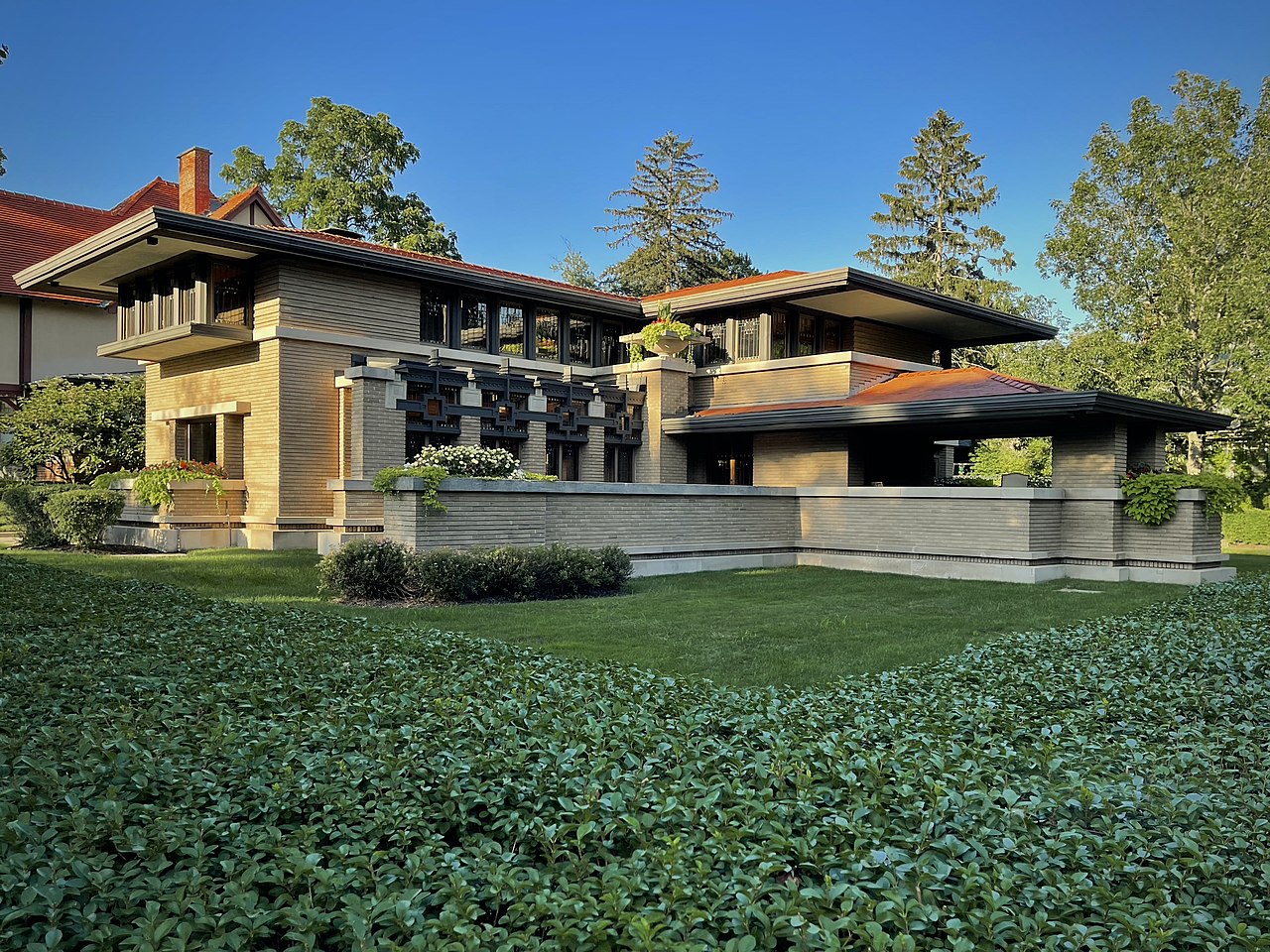
Daily life here spreads across several distinct, walkable neighborhoods. You will find tree-lined streets of Victorian homes in Heritage Hill, coffee shops and boutiques along Wealthy Street in Eastown, and a busy strip of restaurants on the West Side. Getting around downtown is easy thanks to the DASH, a free shuttle bus connecting parking areas, music venues, and central office buildings. The city's creative spirit takes center stage every autumn during ArtPrize, an open competition that fills storefronts, parks, and hotel lobbies with artwork voted on by anyone walking by.
Top Rating Signals
Highest current ratings for this town.
Loading town details...