
Hackensack, NJ
- Elevation
- 21 ft
- General Quality Overall rating out of 100
Highlights
What stands out in Hackensack
Explore
More places like Hackensack
About Hackensack
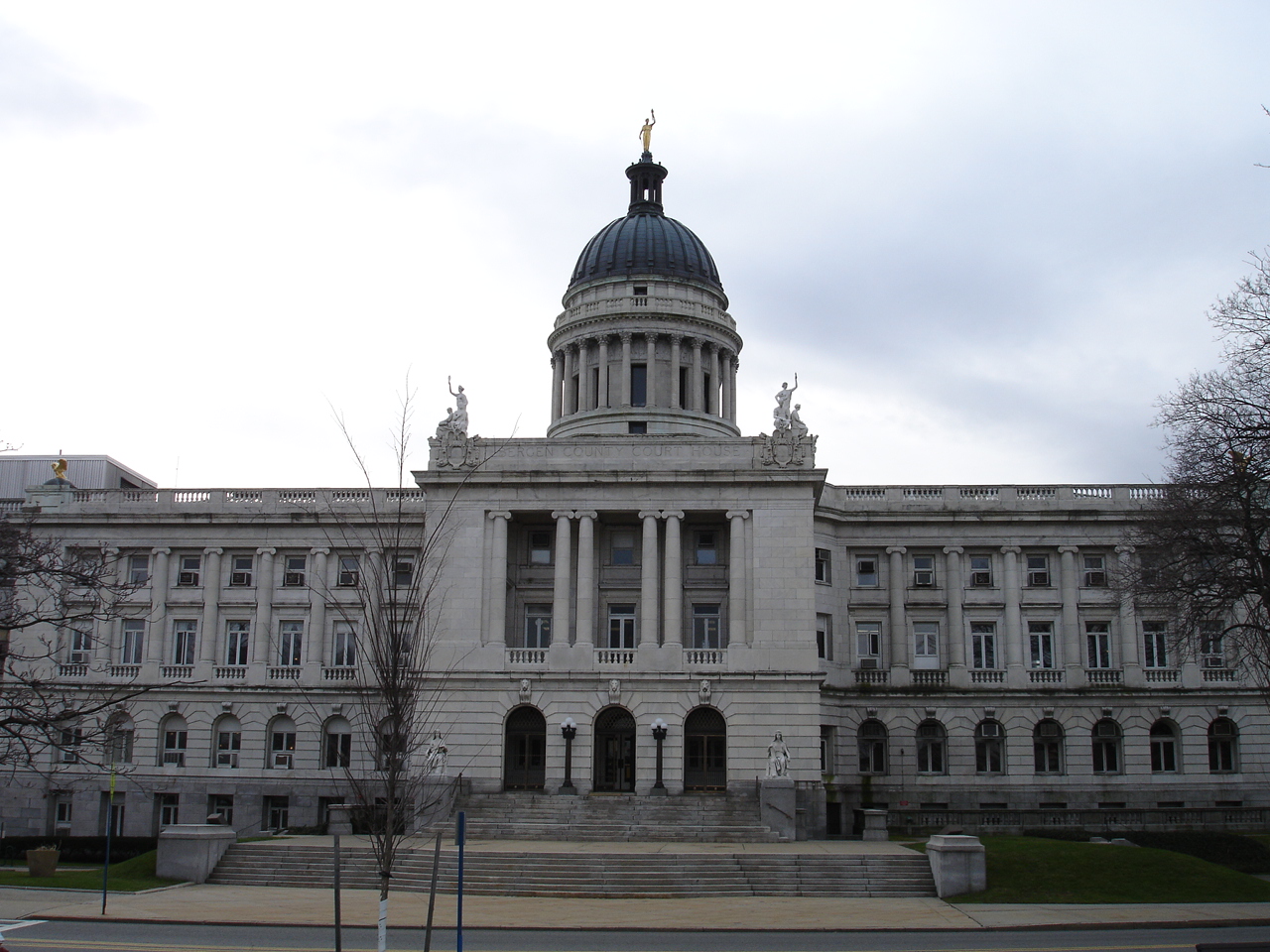
At the heart of Hackensack is The Green, a historic park that has anchored the community since colonial times. George Washington camped on this lawn with his troops in 1776, and the city has served as the Bergen County seat since the early 1700s. Today, that deep history sits comfortably alongside modern daily life. Historic churches and centuries-old landmarks stand alongside county courthouses, open lawns, and outdoor summer concerts. It gives the downtown area a settled, distinct charm with welcoming open spaces right in the middle of town.

Main Street runs north through downtown, where steady revitalization has brought fresh energy to the neighborhood. Wider sidewalks, upgraded lighting, modern apartment buildings, and diverse storefronts have brightened the corridor over the past few years. Cultural anchors like the Hackensack Performing Arts Center and Atlantic Street Park bring neighbors together for live theater, gallery shows, and seasonal festivals. A few blocks up the street, the historic Johnson Public Library offers a quiet reading room alongside family storytimes, workshops, and community events.

For a city spanning roughly four square miles, Hackensack is home to major regional employers and institutions. Hackensack University Medical Center sits just west of downtown, operating as one of New Jersey's premier healthcare and teaching hospitals. To the north, Fairleigh Dickinson University's Metropolitan Campus spans both sides of the Hackensack River, connected by pedestrian footbridges that bring student activity into local shops and cafes. Together with the county courthouse complex, these centers provide steady local jobs and support a bustling lunch and dinner crowd.

Commuting from Hackensack into New York City or around North Jersey is remarkably simple. The city features two Pascack Valley Line train stations, with Anderson Street in the north and Essex Street in the south, both connecting to Manhattan via Secaucus Junction or Hoboken. For direct rides to Midtown, the Hackensack Bus Terminal on River Street runs frequent express service straight to the Port Authority. With its blend of historic charm, convenient transit, and a growing residential scene, Hackensack offers a practical, well-connected suburban home base.
Top Rating Signals
Highest current ratings for this town.
Loading town details...