
Huntsville, AL

- Elevation
- 639 ft
- General Quality Overall rating out of 100
Highlights
What stands out in Huntsville
Explore
More places like Huntsville
About Huntsville
Huntsville earned its nickname as the Rocket City for good reason. Much of the local economy thrives just southwest of downtown, anchored by NASA's Marshall Space Flight Center and the massive Redstone Arsenal. Alongside them, Cummings Research Park and the University of Alabama in Huntsville make the area a powerhouse for aerospace, defense, and software engineering. Thousands of engineers, scientists, and contractors work across these campuses, supported by major tech hubs and manufacturing plants like Toyota and Meta on the north side. For anyone in STEM or defense, it offers one of the most concentrated job markets in the South.

The city's roots go back well before the Space Race. Huntsville grew around Big Spring in the early 1800s and served as the meeting place where Alabama adopted its first state constitution. It spent decades as a prosperous textile hub before the Army arrived during World War II to establish Redstone Arsenal. When pioneer rocket scientists relocated here in the 1950s, Huntsville became the launching point for the nation's lunar missions. Today, that heritage gives the area a distinct blend of historic Southern neighborhoods and high-tech campuses.
Because the city spreads across more than two hundred square miles, you will definitely want a car to get around. Key destinations are spaced out across town, from the medical district and UAH to popular retail and dining hubs like MidCity and the Village of Providence. Major routes like Interstate 565 and Memorial Parkway connect most neighborhoods with the main employment centers. Commute times remain relatively mild compared to larger metropolitan areas, making it easy to live in a quiet suburb while working near the research park.

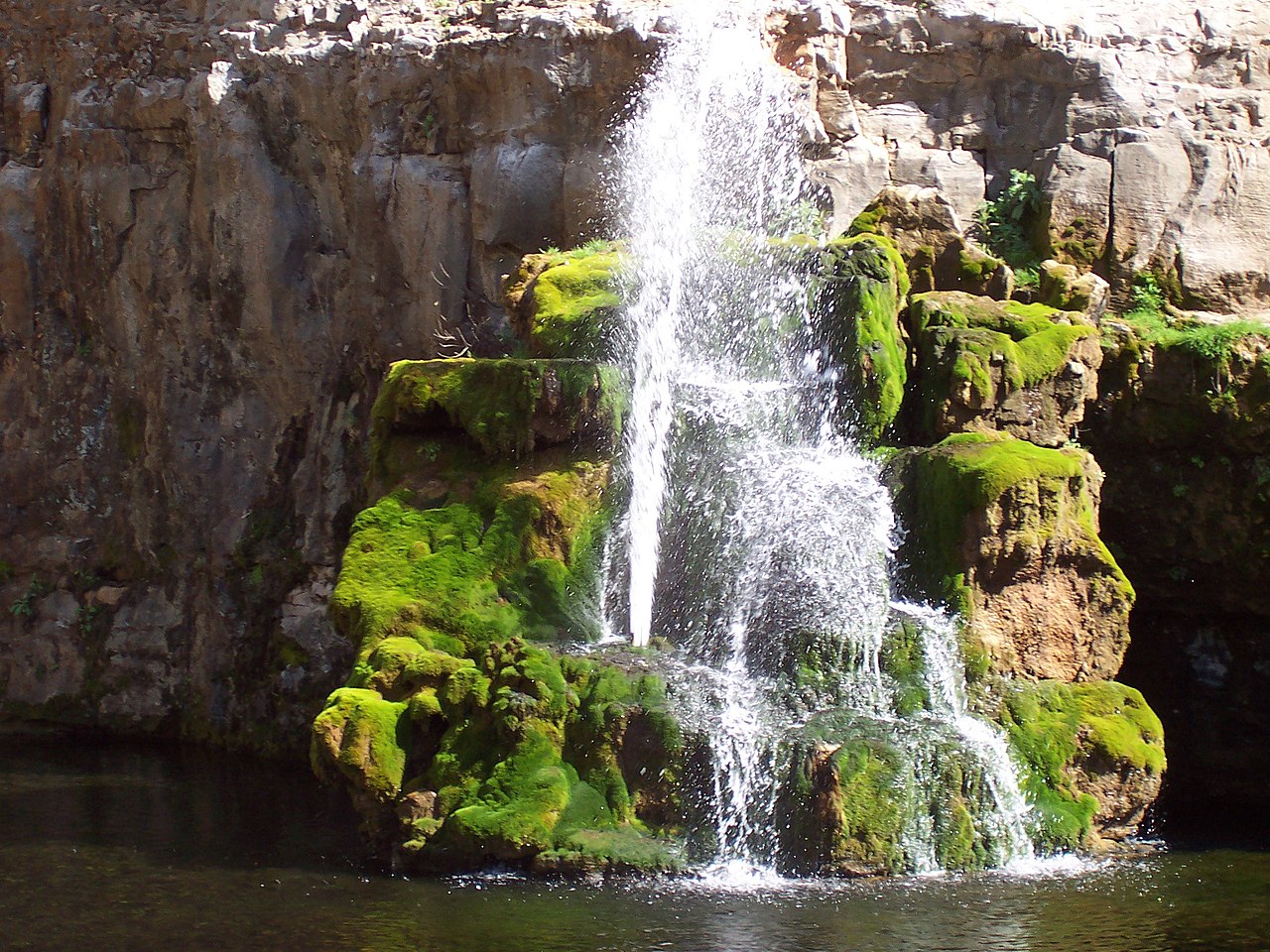
Outside of work, local life revolves around a mix of green spaces, arts, and weekend events. Downtown's Big Spring International Park serves as a central gathering spot for food truck rallies, summer concerts, and strolls past the Huntsville Museum of Art. Just southwest of downtown, Lowe Mill ARTS & Entertainment fills an old textile mill with hundreds of working artists, independent food makers, and eclectic shops. Between hiking trails on Monte Sano Mountain, visits to the U.S. Space & Rocket Center, and a growing craft brewery scene, there is always something to explore.
Top Rating Signals
Highest current ratings for this town.
Loading town details...