
Issaquah, WA
- Elevation
- 108 ft
- General Quality Overall rating out of 100
Highlights
What stands out in Issaquah
Explore
More places like Issaquah
About Issaquah
Tucked right at the south tip of Lake Sammamish and ringed by Tiger, Cougar, and Squak mountains (locally known as the Issaquah Alps), Issaquah offers an easy balance between Pacific Northwest wilderness and suburban comfort. One of the town's most distinctive features is Issaquah Creek, which winds straight through the historic district. Every autumn, thousands of Chinook and coho salmon make their journey back from Puget Sound to the downtown fish hatchery. Residents can wander right up to the footbridges or visit the hatchery ladder to watch the fish battle upstream, turning an incredible wildlife migration into a regular part of everyday life.

The city has a few distinct pockets, starting with Olde Town. This historic core along Front Street is where you will find century-old buildings filled with independent coffee shops, neighborhood taverns, the local library, and the renowned Village Theatre. A quick drive down the valley brings you into Central Issaquah, the city's commercial engine. Anchored by major shopping centers and Costco's global headquarters, this area gives locals easy access to big-box retail, grocery runs, and everyday services without needing to leave town.

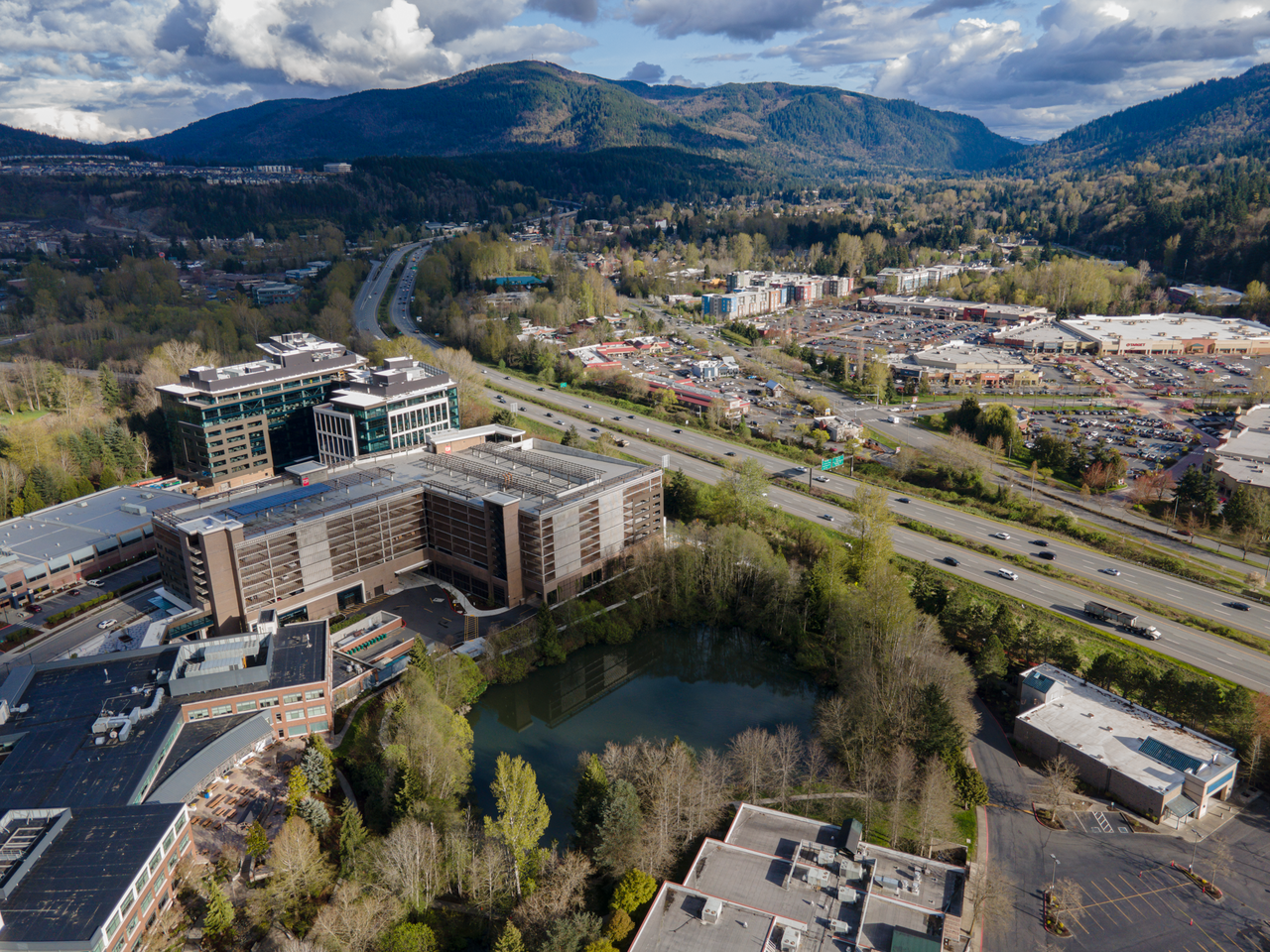
Up on the eastern hillside sits the Issaquah Highlands, a master-planned community built for modern walkability. It features newer townhomes and single-family houses mixed with parks, restaurants, grocery spots, and a Swedish Medical Center campus. Living up here also comes with great views across the valley. Most residents rely on cars to get around or commute along the I-90 corridor into Bellevue and Seattle, though transit centers in both the valley and the Highlands offer express bus routes for commuters looking to skip highway traffic.

Community gatherings happen across all these different hubs throughout the year. On Saturdays from spring through early fall, the historic Pickering Barn hosts a bustling farmers market packed with regional produce, fresh flowers, and food trucks. Front Street hosts warm-weather art walks with live music, but the headline event is the annual Salmon Days festival every October. Thousands of people gather downtown for street food, artisan booths, and live entertainment while the fish swim right past the heart of the celebration.
Top Rating Signals
Highest current ratings for this town.
Loading town details...