Madera, CA

- Elevation
- 270 ft
- General Quality Overall rating out of 100
Highlights
What stands out in Madera
Explore
More places like Madera
About Madera
Madera got its start in the late 1800s when timber was shipped down from the Sierra Nevada mountains to meet the valley railroad. The town took its name from that trade, using the Spanish word for wood. While the logging days eventually gave way to expansive vineyards and almond orchards, you can still catch glimpses of that early era around town. The historic courthouse at Courthouse Park now serves as a local museum, giving newcomers a look at how Madera evolved from a railroad lumber stop into the county seat.
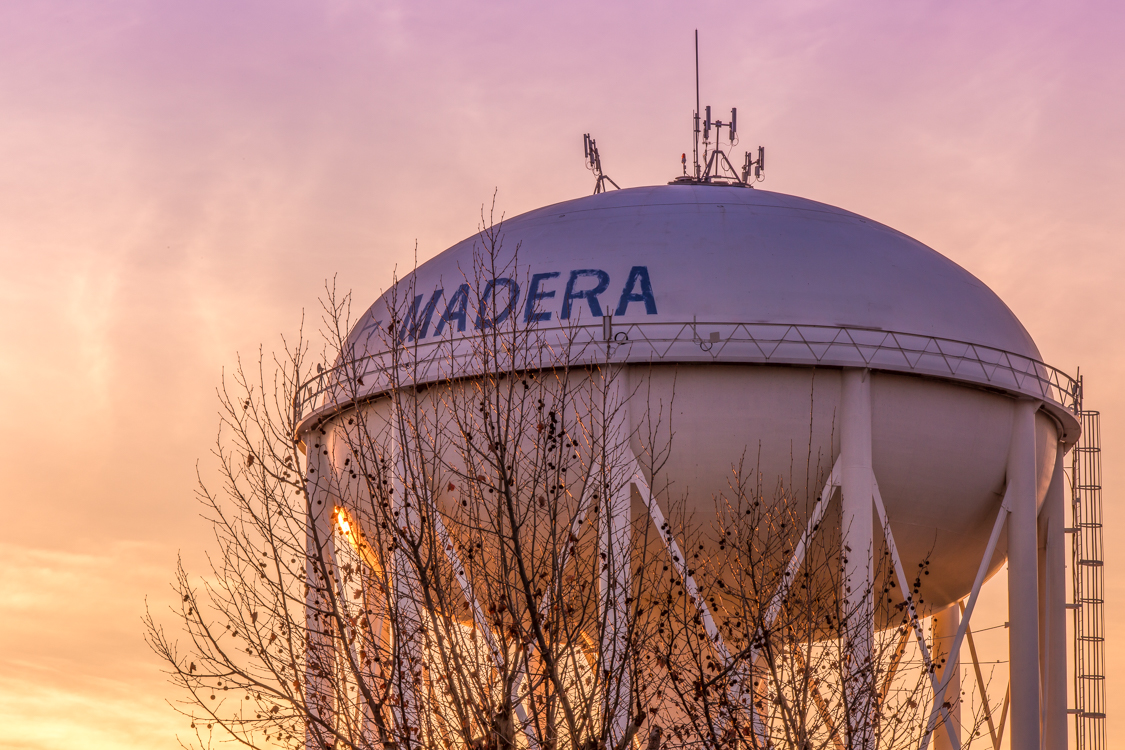
Today, the local economy centers on agriculture, food packaging, and manufacturing along State Route 99. The city's location makes it a practical home base for people working locally or commuting roughly twenty minutes south into Fresno. Yosemite Avenue acts as the main commercial street through town, grouping City Hall, the library, and county offices into a compact civic center. Having those services clustered together makes taking care of regular weekday errands straightforward.

Yosemite Avenue carries a steady stream of traffic through the center of town, but stepping off the main corridor leads to quiet neighborhoods and easy access to fresh air. Just north of downtown, the Vern McCullough Fresno River Trail provides a paved path for walking, jogging, or biking along the river channel. The downtown area also hosts seasonal events throughout the year, with community parades and weekend gatherings regularly filling the lawns at Courthouse Park.

For higher education, Madera Community College offers a modern campus on the south side of town. Its degree and certificate programs focus heavily on practical fields like plant science, welding, and industrial mechanics, creating direct paths into regional industries. Every September, the community comes together at the Madera District Fair, where residents turn out for four days of live music, carnival rides, food stands, and livestock competitions that celebrate the valley's deep farming roots.
Top Rating Signals
Highest current ratings for this town.
Loading town details...