
Mobile, AL

- Elevation
- 9 ft
- General Quality Overall rating out of 100
Highlights
What stands out in Mobile
Explore
More places like Mobile
About Mobile
Founded by French colonists in 1702 as the original capital of French Louisiana, Mobile is older than New Orleans and carries a distinct Gulf Coast identity shaped by water. The city sits right where the Mobile River meets the wide expanse of Mobile Bay, giving it a classic Southern coastal feel filled with moss-draped live oaks, historic ironwork balconies, and breezy waterfront parks. Downtown opens directly to an active port where ships, riverboats, and cargo terminals connect inland Alabama to the Gulf of Mexico. It is a city where deep colonial history blends with an everyday maritime rhythm, offering newcomers an easygoing coastal lifestyle.
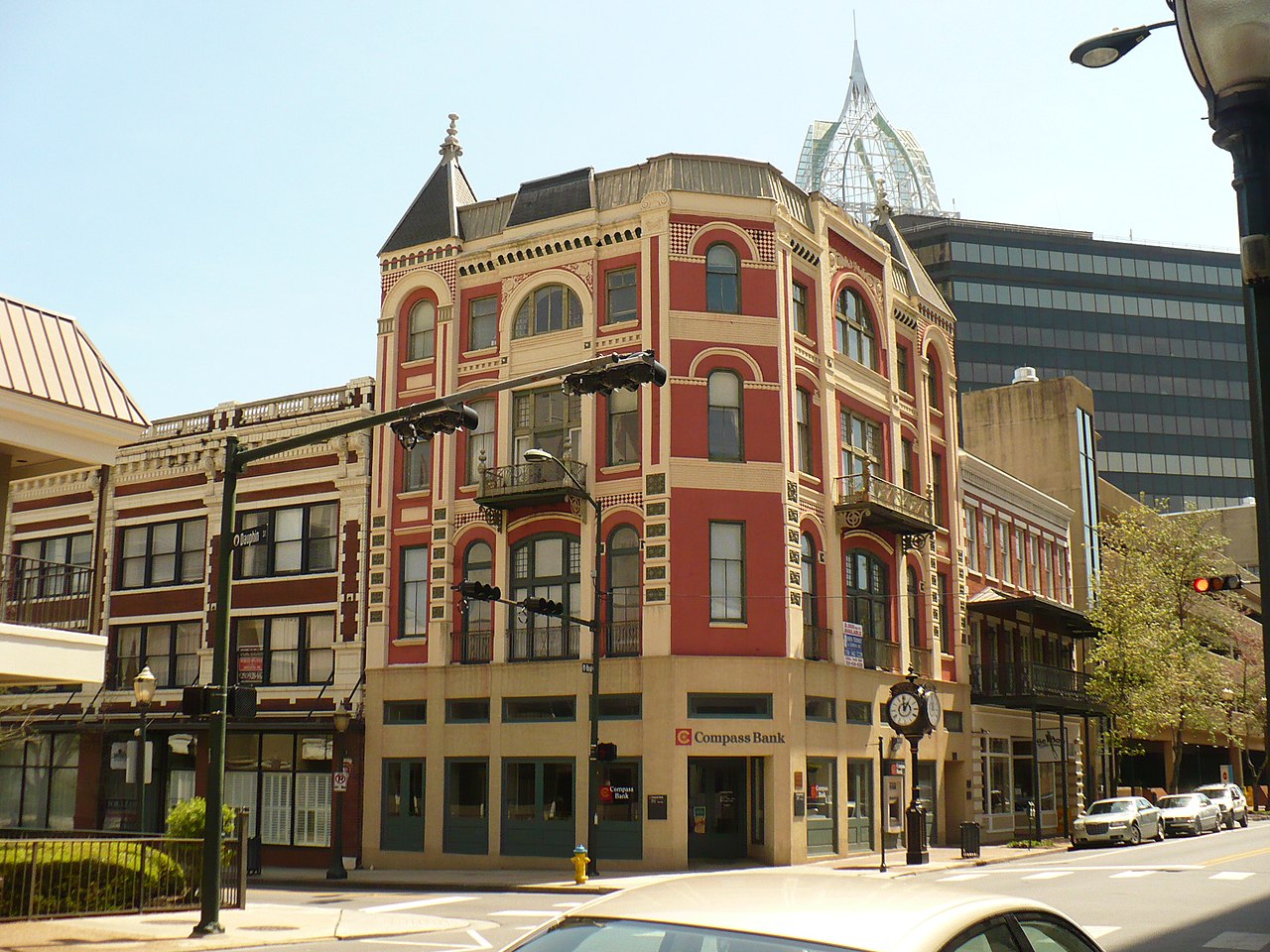
Mobile's economy is anchored by a thriving mix of aviation, shipbuilding, and international trade, making it a major employment hub along the Gulf Coast. Global aerospace giant Airbus runs one of its primary commercial jet assembly sites along the bay at the Brookley Aeroplex, while Austal USA builds advanced naval vessels at its large riverside shipyards. The expanding Port of Mobile keeps cargo moving around the world, supporting steady careers across logistics, engineering, and maritime manufacturing. These major employers, paired with regional healthcare networks and a manageable cost of living, make the area an appealing landing spot for relocating professionals and families.

Alongside its modern industries, Mobile holds deep cultural roots that tell essential American stories. Just north of downtown lies Africatown, a community founded after the Civil War by survivors of the Clotilda, the last known ship to illegally bring captive Africans to the United States. Following emancipation, the survivors pooled their resources, purchased land, and established their own self-governing community, preserving their West African traditions and languages. Today, the Africatown Heritage House shares recovered artifacts, historical records, and personal oral histories in an exhibit created alongside direct descendants, keeping this history rooted in the neighborhood the survivors built.
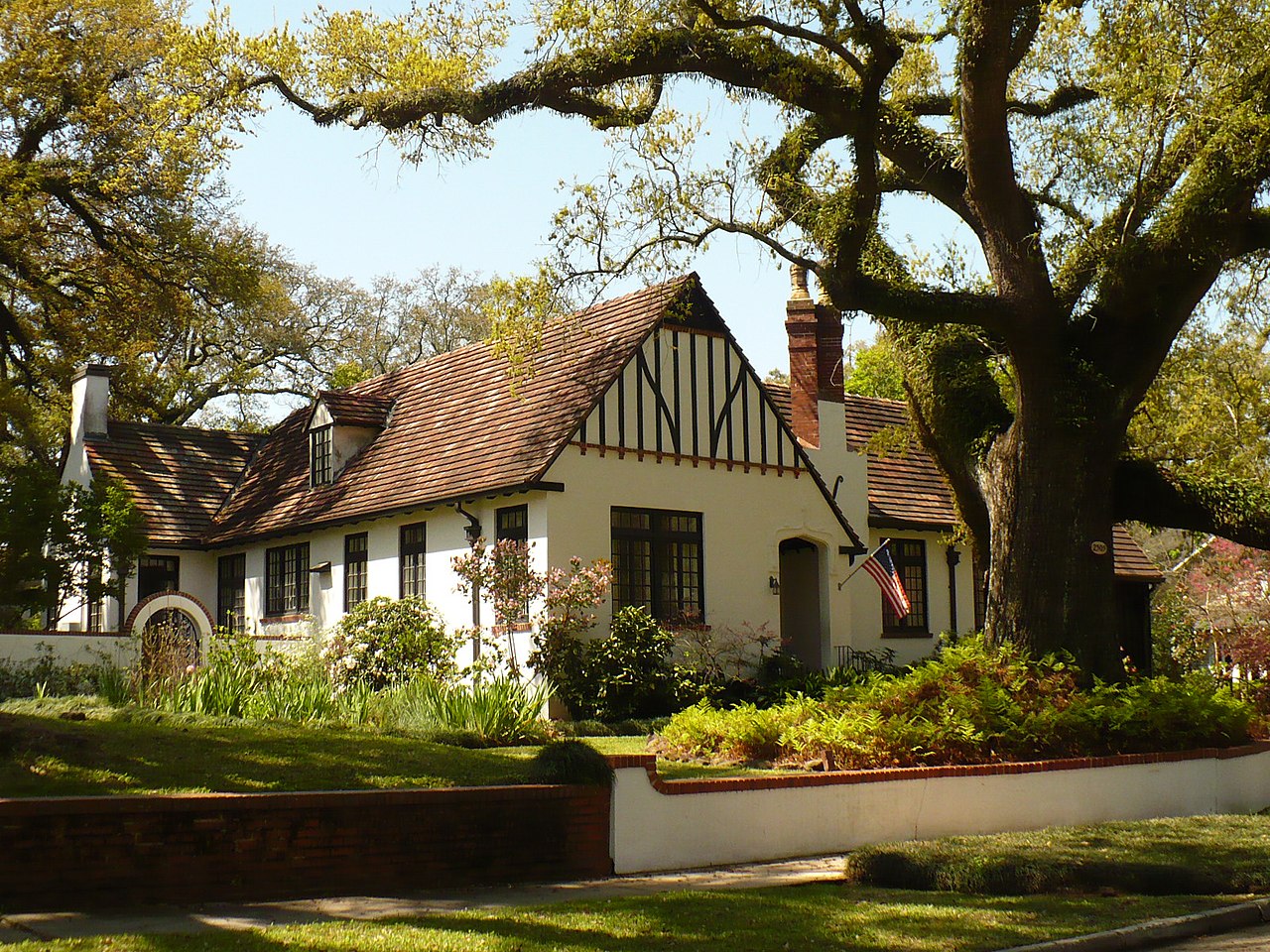
Life in Mobile hits its liveliest stride during Carnival season, celebrating the country's oldest annual Mardi Gras tradition dating back to 1703. For several weeks each winter, downtown streets fill with dozens of colorful parades, marching bands, ornate floats, and flying MoonPies caught by cheering crowds. Even after Mardi Gras wraps up, downtown stays active throughout the year. Residents can explore the Mobile Carnival Museum, tour historic neighborhoods along Government and Dauphin streets, or head out during the monthly LODA ArtWalk for live music, local art galleries, and fresh Gulf seafood.
Top Rating Signals
Highest current ratings for this town.
Loading town details...