
Monterey, CA

- Elevation
- 19 ft
- General Quality Overall rating out of 100
Highlights
What stands out in Monterey
Explore
More places like Monterey
About Monterey
Monterey has a grounded, historic feel that you notice right away downtown. Long before it was a coastal getaway, the city served as California’s capital under Spanish and Mexican rule. You can still see that heritage along the Path of History, where 1800s adobes and landmarks like Colton Hall sit alongside local coffee shops and offices. Living here means your daily walk might take you past tile-roofed buildings, open plazas, and harbor views, giving the core of the city a distinct character with deep roots.
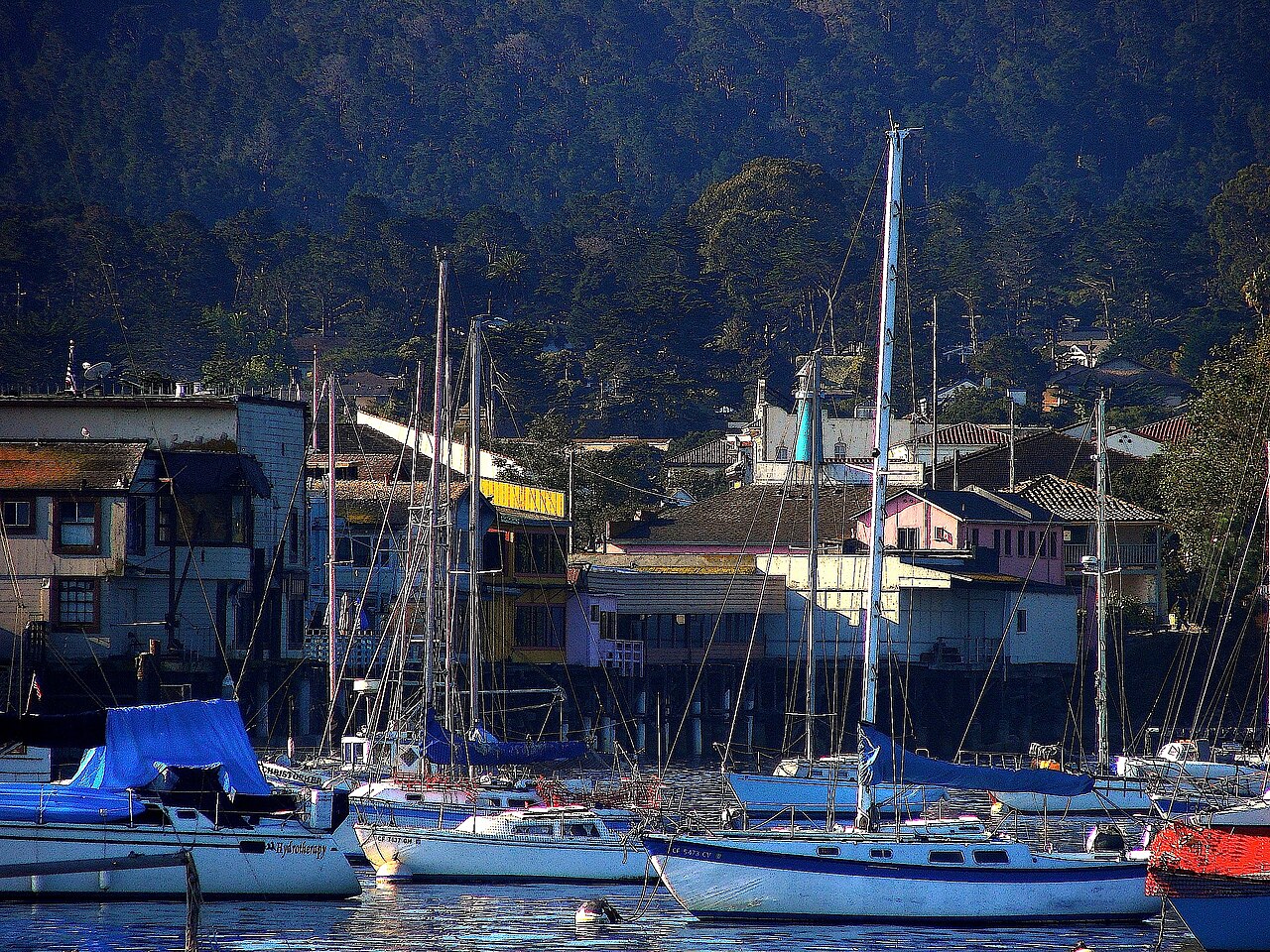
Down along the bay, the setting shifts toward maritime life and neighborhood pockets. Cannery Row and Fisherman’s Wharf draw plenty of visitors to the Monterey Bay Aquarium and seafood spots, while residents often gravitate toward quieter corners. You can pick up fresh catch at Municipal Wharf No. 2, where commercial fishing boats still unload daily, or head up into New Monterey. Centered around Lighthouse Avenue, New Monterey offers everyday bakeries, grocery markets, casual eateries, and hillside homes with great views of the water.

A big part of what makes the city unique is its institutional presence. Monterey is home to the Defense Language Institute and the Naval Postgraduate School, which gives the town an unusually international, educated crowd. Civilian language instructors from all over the world live here alongside graduate-level military officers, marine biologists, and healthcare professionals. Because so many people relocate here for specialized assignments or research, the community is used to welcoming new faces from different backgrounds.
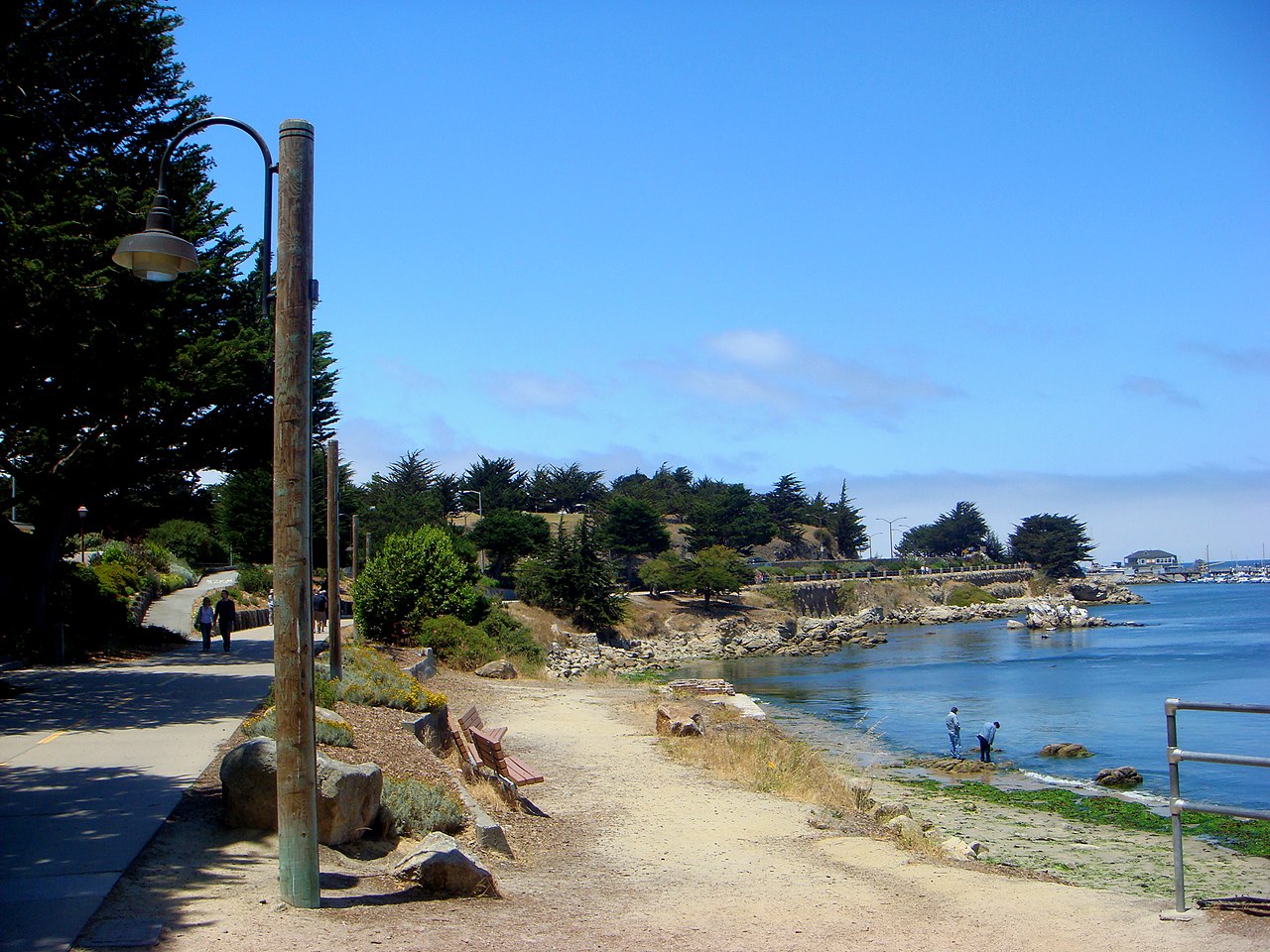
Staying active outdoors is central to living here, largely thanks to the Monterey Bay Coastal Recreation Trail. This paved path hugs the shoreline from the aquarium past the wharves and out toward Del Monte Beach, making it easy to bike, run, or take a morning walk while watching sea otters in the kelp. A bit further inland, venues like the Monterey County Fairgrounds bring people together for major events, most notably the annual Monterey Jazz Festival every autumn. With its mix of ocean access, charming neighborhoods, and mild weather, Monterey makes settling into coastal life straightforward and rewarding.
Top Rating Signals
Highest current ratings for this town.
Loading town details...