
Moorpark, CA

- Elevation
- 514 ft
- General Quality Overall rating out of 100
Highlights
What stands out in Moorpark
Explore
More places like Moorpark
About Moorpark
Named after a sweet variety of apricot once grown across the valley, Moorpark has held onto its relaxed, small-town character even as Ventura County expanded around it. High Street, the town's original commercial hub, still feels like a classic railroad stop shaded by century-old pepper trees. While citrus groves and walnut orchards have mostly given way to quiet residential neighborhoods since Moorpark incorporated in the 1980s, the downtown strip still carries that early agricultural charm. It gives new residents a grounded, welcoming feel that sets the city apart from neighboring suburbs.
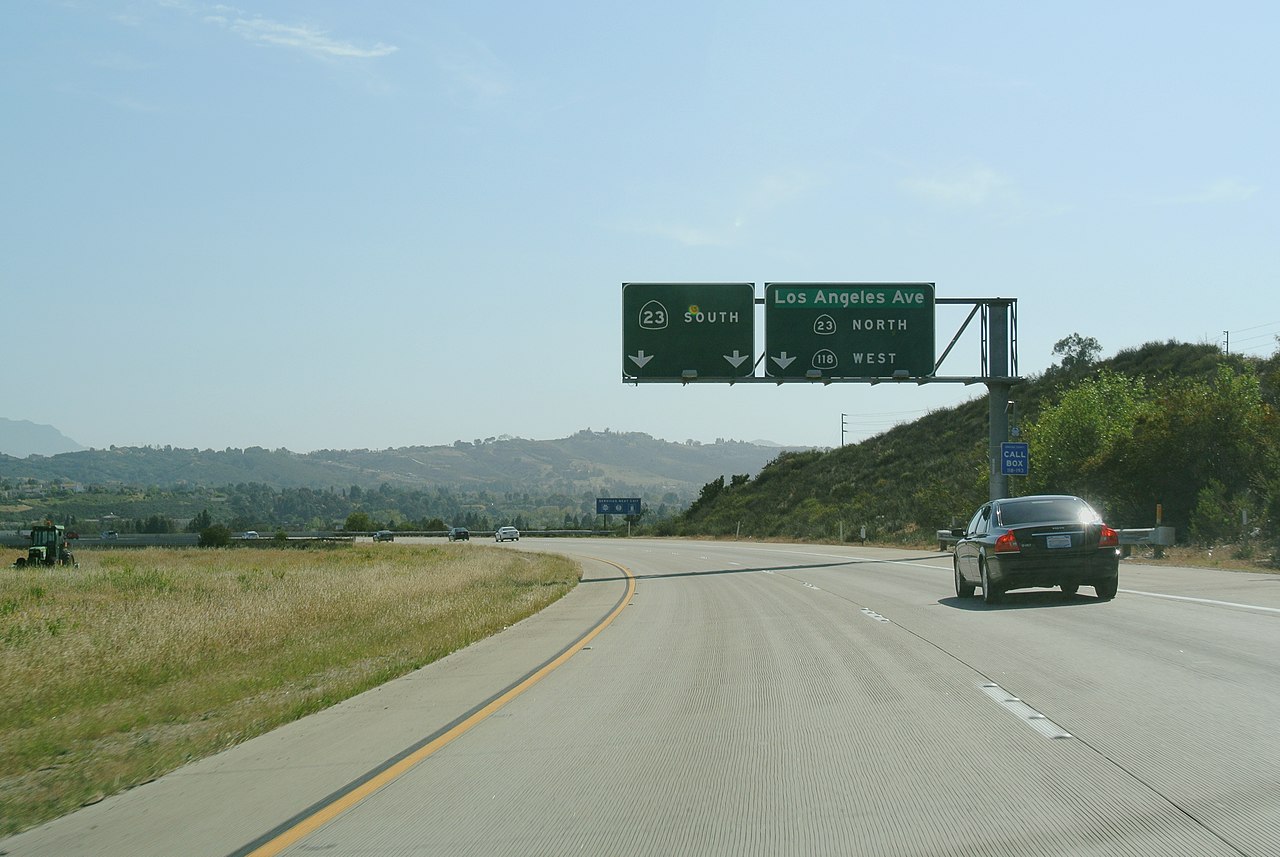
Getting around town is simple because the layout splits neatly between historic character and everyday convenience. High Street serves as a walkable gathering spot with local eateries, independent businesses, and community spaces. A couple of blocks south, Los Angeles Avenue handles daily shopping with supermarkets, big-box stores, and casual dining. Moorpark's residential areas climb gently into the surrounding hills, offering everything from established single-family homes to newer master-planned subdivisions with mountain views and easy access to neighborhood parks.

Moorpark College sits on the hills overlooking town and serves as a lively center for education and family activities. Along with strong programs in healthcare, tech, and the performing arts, the campus is home to America's Teaching Zoo. Run by students in the college's well-known exotic animal training program, the zoo opens on weekends and is a beloved spot for families with kids. The college brings a steady flow of lectures, sports, and cultural events to the community throughout the year.

For commuters, the downtown Metrolink station provides a practical train connection into Los Angeles and across Ventura County. Just steps away, the historic High Street Arts Center hosts plays, concerts, and youth theater productions that pack the house on weekends. Downtown also comes alive during annual events like Moorpark Country Days, seasonal street fairs, and holiday parades. Between its rich farming roots, safe neighborhoods, and close-knit community vibe, Moorpark is an appealing landing spot for anyone looking for a quieter pace in Southern California.
Top Rating Signals
Highest current ratings for this town.
Loading town details...