
Nashua, NH
- Elevation
- 159 ft
- General Quality Overall rating out of 100
Highlights
What stands out in Nashua
Explore
More places like Nashua
About Nashua
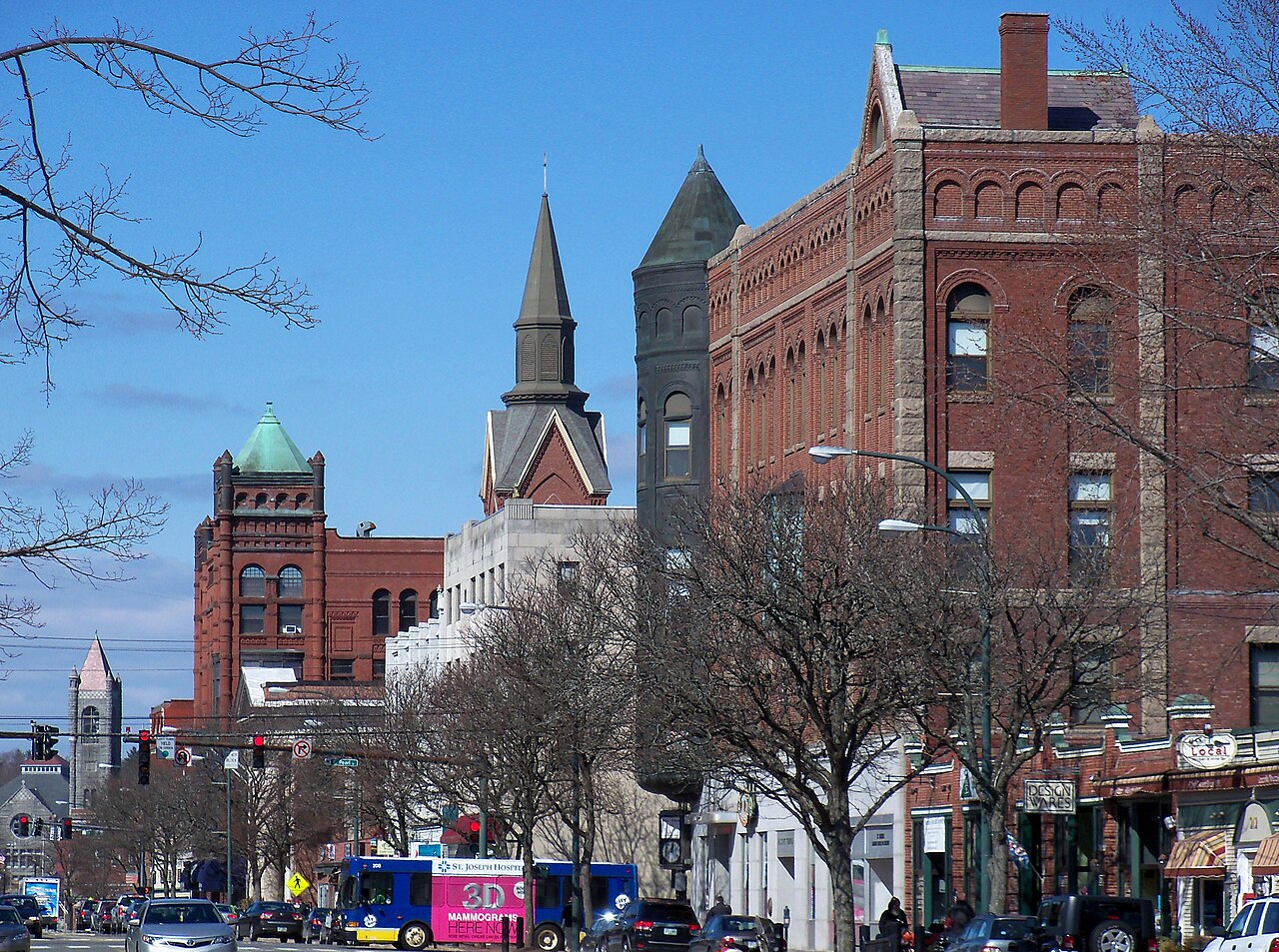
Nashua grew up along the Nashua and Merrimack rivers as a classic New England mill town, and that historic character still defines the city today. The red-brick mills and historic buildings around Main Street have found new life as stylish apartments, creative studios, and local eateries. Decades after the textile era ended, downtown maintains its walkable street grid and scenic river crossings, giving residents a great blend of historic character and everyday convenience.

The local economy is diverse and resilient, offering strong career opportunities across technology, healthcare, and retail. Major employers like BAE Systems make the city a regional hub for defense and commercial engineering, while Southern New Hampshire Medical Center and St. Joseph Hospital provide top-tier medical facilities and steady jobs. For shopping and errands, Amherst Street and Daniel Webster Highway offer extensive retail plazas and supermarkets. Living right on the Massachusetts border also allows for an easy commute toward greater Boston, paired with the huge perk of New Hampshire having no general sales tax.

Downtown serves as the social and cultural core, centered on a lively Main Street filled with restaurants, coffee shops, and local businesses. The Nashua Center for the Arts hosts touring concerts, theater productions, and comedy acts in a modern venue right in the heart of the district. Original sculptures dot the riverwalk and street corners, added each spring by visiting artists during the city's annual sculpture symposium. Central bus connections make it simple to travel between residential neighborhoods and downtown for community events or an evening out.

For outdoor recreation, Mine Falls Park is the city's crown jewel. Covering 325 acres of woods, wetlands, and open fields between the Nashua River and the historic canal, it provides a quiet natural escape right in the middle of town. Miles of flat, well-kept trails draw runners, dog walkers, and cyclists all year long. The park also features athletic fields, peaceful fishing spots, and launch areas for kayaks and canoes, making fresh-air getaways effortless for local residents.
Top Rating Signals
Highest current ratings for this town.
Loading town details...