
Pasadena, CA
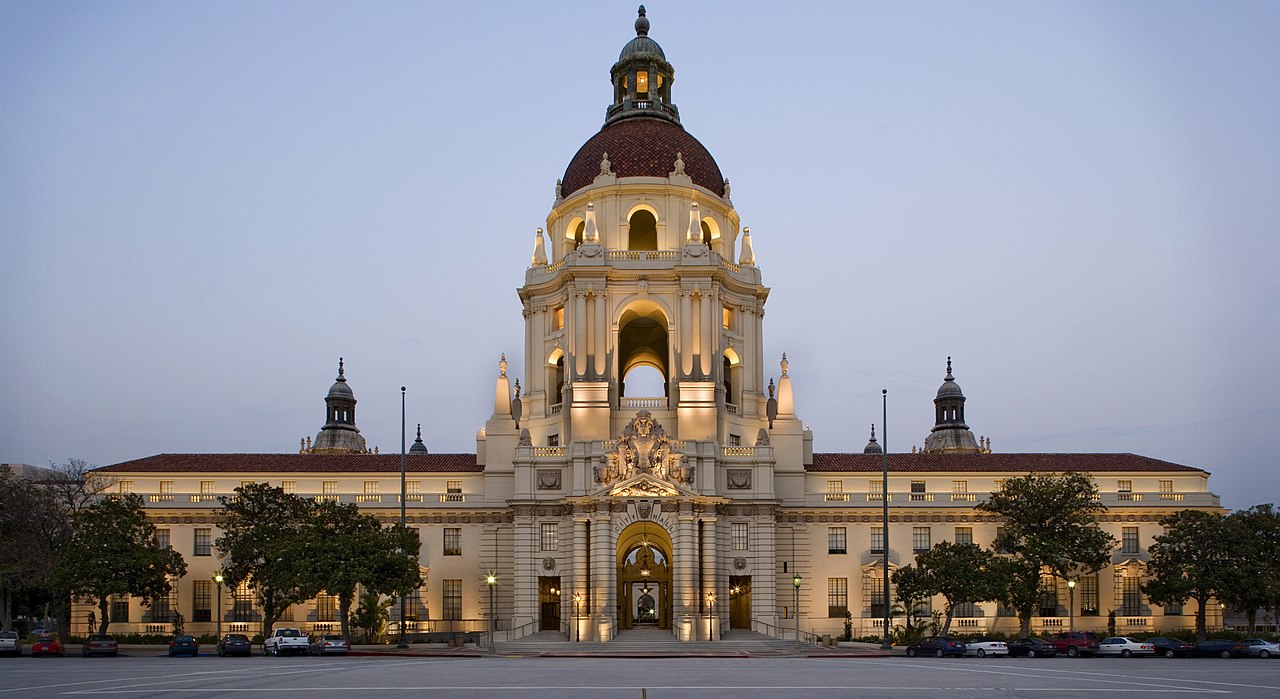
- Elevation
- 863 ft
- General Quality Overall rating out of 100
Highlights
What stands out in Pasadena
Explore
More places like Pasadena
About Pasadena
Pasadena blends world-class science, deep-rooted traditions, and historic neighborhood charm into a vibrant city at the foot of the San Gabriel Mountains. It is home to Caltech and NASA's Jet Propulsion Laboratory, giving the community an intellectual energy and a strong local job market. Every New Year, the city steps into the global spotlight with the Rose Parade and the Rose Bowl Game, filling the streets with festive energy and neighborhood pride. Throughout the rest of the year, residents enjoy a thriving local economy powered by top employers in education, tech, healthcare, and the arts.

Outdoors, the Arroyo Seco canyon shapes the western edge of town and serves as a natural playground for locals. Miles of walking trails, sports fields, and quiet picnic spots sit alongside the iconic Rose Bowl stadium below the mountains. The surrounding hillsides showcase classic California architecture, especially the famous Craftsman-style homes that define the area. You can tour architectural treasures like the historic Gamble House, surrounded by mature oak trees, leafy yards, and peaceful residential streets.
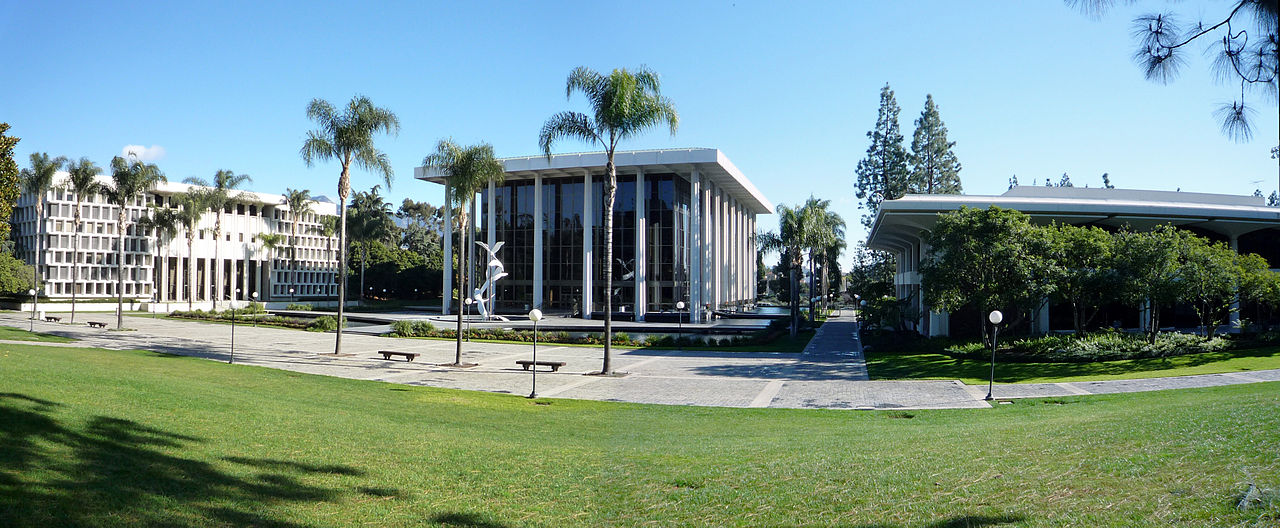
Living in central Pasadena means having several distinct, walkable neighborhoods close together. Old Pasadena features restored brick storefronts, sunny patio dining, and lively shopping, while the nearby Playhouse Village and South Lake Avenue offer a great mix of indie bookstores, cozy cafes, and local boutiques. The Metro A Line runs straight through town with six convenient stations, making trips into downtown Los Angeles simple. Choosing a home farther up in the foothill neighborhoods gives you mountain views and a quieter, suburban pace.

The cultural scene is just as rich, offering the perks of a major arts hub with an easygoing local atmosphere. Residents can catch award-winning live theater at the Pasadena Playhouse or spend an afternoon exploring world-renowned art collections at the Norton Simon Museum and the USC Pacific Asia Museum. Everything feels connected, with peaceful residential avenues, lively shopping districts, and mountain trailheads all within a short drive. That balance makes Pasadena one of Southern California's most appealing places to call home.
Top Rating Signals
Highest current ratings for this town.
Loading town details...