
Rogers, AR

- Elevation
- 1,367 ft
- General Quality Overall rating out of 100
Highlights
What stands out in Rogers
Explore
More places like Rogers
About Rogers
Rogers gives you two distinct hubs depending on what side of town you call home. Historic Downtown Rogers is the city's walkable center, packed with brick storefronts, neighborhood coffee shops, craft breweries, and Railyard Park. A few miles west along Interstate 49 sits Uptown, centered around the Pinnacle Hills area. This modern side of town buzzes with corporate offices, upscale dining, shopping at Pinnacle Hills Promenade, and major touring concerts at the Walmart AMP. Depending on where you settle, your daily routine might center on quiet downtown strolls, busy retail districts, or an easy mix of both.

Downtown Rogers embraces its railroad roots while keeping daily life lively and welcoming. The district grew up along the historic Frisco rail line, and that vintage charm is still visible across the brick storefronts. Today, the centerpiece is Railyard Park, where locals catch outdoor shows at the Butterfield Stage, cool off at the splash pad, or browse the farmers market. You will also find unique spots like the Daisy Airgun Museum sitting alongside popular taprooms, coffee roasters, and casual eateries. It is a friendly, relaxed place to stroll around, grab dinner on a patio, and run into neighbors.
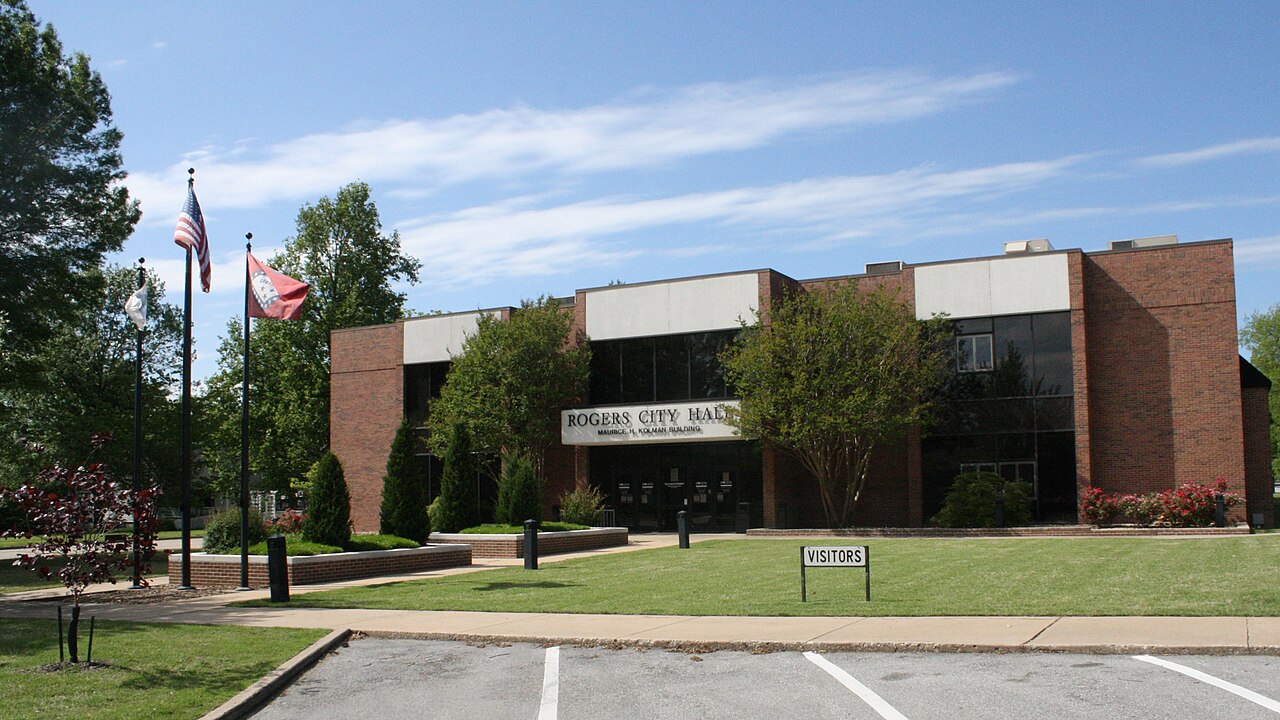
Getting outdoors is a major highlight of living in Rogers, with scenic green space right in your backyard. Right from downtown, you can follow paved trails past natural springs and head straight down to Lake Atalanta. The surrounding park is a favorite spot for everyday recreation, offering shaded boardwalks over the water, paved walking loops, a dedicated bike park, and miles of wooded mountain bike trails. Rogers also plugs directly into the Razorback Regional Greenway, allowing cyclists and runners to travel between neighboring towns on dedicated paths.

Job opportunities and regional convenience make Rogers an easy place to build a career and settle in. As part of the thriving Northwest Arkansas metro area, the city sits within minutes of major corporate employers like Walmart, Tyson Foods, and J.B. Hunt, along with hundreds of vendor and service offices throughout Pinnacle Hills. Rogers pairs that strong economic momentum with a grounded community feel. Between the expansive trail system, growing entertainment options, and central location, the city offers an appealing balance for newcomers.
Top Rating Signals
Highest current ratings for this town.
Loading town details...