
San Gabriel, CA
- Elevation
- 416 ft
- General Quality Overall rating out of 100
Highlights
What stands out in San Gabriel
Explore
More places like San Gabriel
About San Gabriel
If you love incredible food, San Gabriel will immediately win you over. Situated about ten miles northeast of downtown Los Angeles, this compact suburb is widely known across Southern California for its exceptional dining and shopping. Valley Boulevard and Las Tunas Drive form the city's lively core, packed with grocery markets, bakeries, boba spots, and family-owned eateries. What began with Chinese American businesses establishing roots in the 1970s has grown into a rich culinary destination that also features standout Vietnamese, Filipino, and Japanese restaurants. Hubs like San Gabriel Square make it easy to grab weekend dim sum, browse specialty shops, and take care of everyday errands close to home.

Long before modern storefronts arrived, this region was home to the Tongva people. In the 1770s, Spanish Franciscan priests founded Mission San Gabriel Arcángel, which was built and sustained through the forced labor of local Native villagers. That era brought severe hardship, disease, and religious persecution, prompting direct resistance such as the 1785 uprising led by the Gabrielino medicine woman Toypurina. Today, the mission church stands as the oldest surviving building in Los Angeles County. Updated museum exhibits focus on Indigenous perspectives, giving newcomers and long-time residents a clearer look at the area's complex foundation.

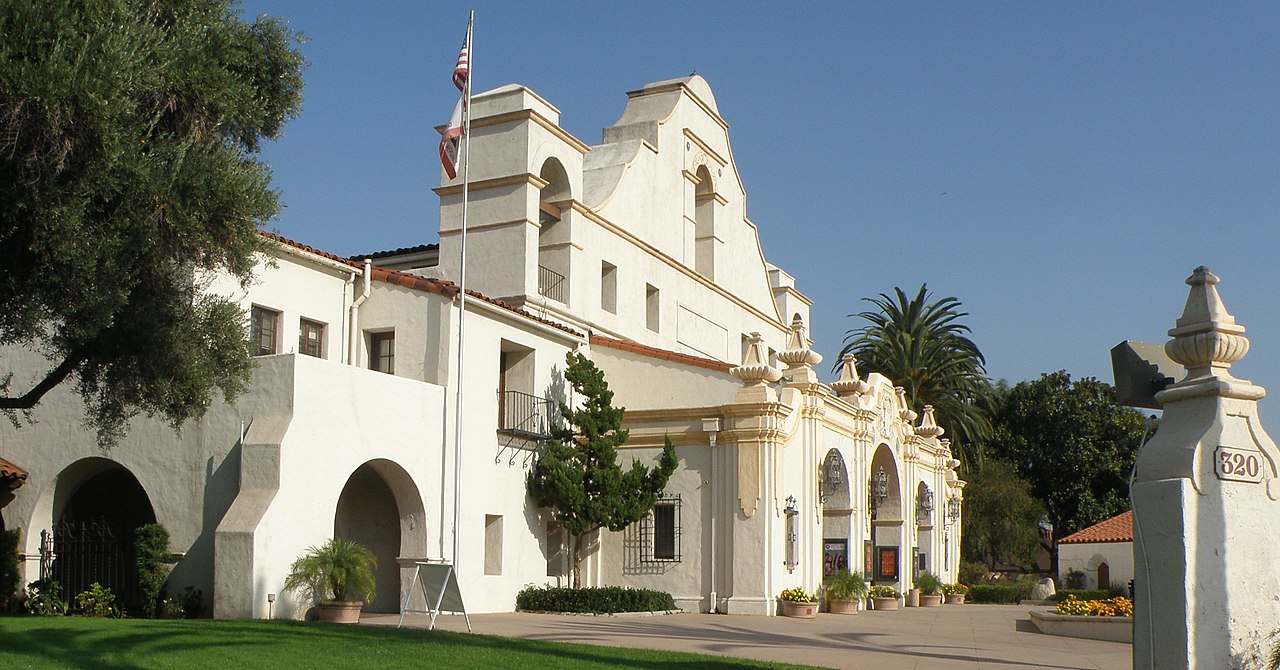
San Gabriel also played a central role in the birth of Los Angeles, serving as the starting point for the settlers who traveled west in 1781 to establish the original pueblo. That deep heritage defines the city's historic Mission District. It offers a charming, walkable environment framed by Spanish Colonial Revival architecture, historic water mill remnants, and shady green spaces around Plaza Park. The historic City Hall and the 1920s Mission Playhouse give the neighborhood a distinct visual identity that anchors local civic pride.

Living in San Gabriel means enjoying quiet residential streets alongside lively local gatherings. The Mission Playhouse remains an active venue for concerts, film screenings, and performing arts, complete with its vintage Wurlitzer pipe organ. The surrounding plazas regularly fill up for community favorites like the spring Lantern Festival and the popular Dumpling and Beer Fest in the fall. Getting around town is simple with RideSG, an on-demand local transit service that connects neighborhoods directly to shopping corridors and civic destinations. It is a welcoming, grounded community that blends deep historical roots with everyday convenience.
Top Rating Signals
Highest current ratings for this town.
Loading town details...