
Tucson, AZ

- Elevation
- 2,481 ft
- General Quality Overall rating out of 100
Highlights
What stands out in Tucson
Explore
More places like Tucson
About Tucson
Tucson has some of the deepest agricultural roots in North America, with people farming the Santa Cruz River valley for over four thousand years. That long history created a rich blend of Indigenous, Spanish, Mexican, and immigrant traditions that still defines the city today. You can see this legacy firsthand at Mission Garden, a living agricultural museum at the foot of Sentinel Peak, or by exploring the historic adobe barrios tucked near downtown. Even as modern Tucson expands, its community spirit remains closely tied to these historic central neighborhoods and their desert surroundings.

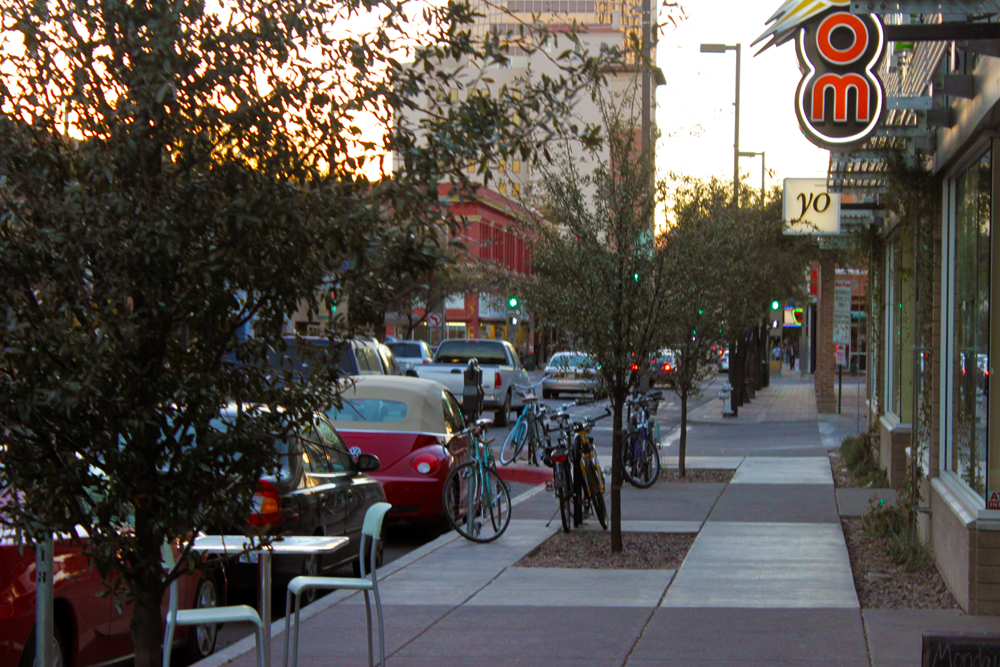
Everyday living here comes with a stunning natural backdrop framed by rugged mountain ranges and the giant saguaro cacti of Saguaro National Park. Outdoor lovers frequently spend mornings on The Loop, a scenic paved trail system spanning over a hundred miles around the riverbeds and foothills. Closer to the center of town, the Sun Link streetcar offers a convenient way to navigate without a car, connecting the open-air plazas of the Mercado District to downtown eateries, quirky shops along Fourth Avenue, and the University of Arizona.

Beyond the urban core, the city spreads across a broad valley where daily commutes vary depending on your destination. Major job centers are distributed throughout town, anchored by the university, Davis-Monthan Air Force Base, regional hospitals, and a thriving optics and aerospace industry. Because cross-town travel mostly relies on surface streets, picking the right neighborhood for your routine is an important relocation decision. Popular areas range from the scenic Santa Catalina foothills in the north to family-friendly suburbs on the east side and charming midtown bungalows.
Food and culture bring the whole community together. Tucson was named the first UNESCO City of Gastronomy in the United States, celebrated for its Sonoran Mexican flavors, heritage crops, and vibrant independent restaurant scene. Major annual events like the Tucson Meet Yourself folk festival, the massive Tucson Festival of Books, and the world-renowned Winter Gem Show give the city an energetic rhythm throughout the year. With its laid-back pace, mountain views, and deep cultural pride, Tucson provides a welcoming and authentic place to call home.
Top Rating Signals
Highest current ratings for this town.
Loading town details...