
Watertown, MA
- Elevation
- 63 ft
- General Quality Overall rating out of 100
Highlights
What stands out in Watertown
Explore
More places like Watertown
About Watertown
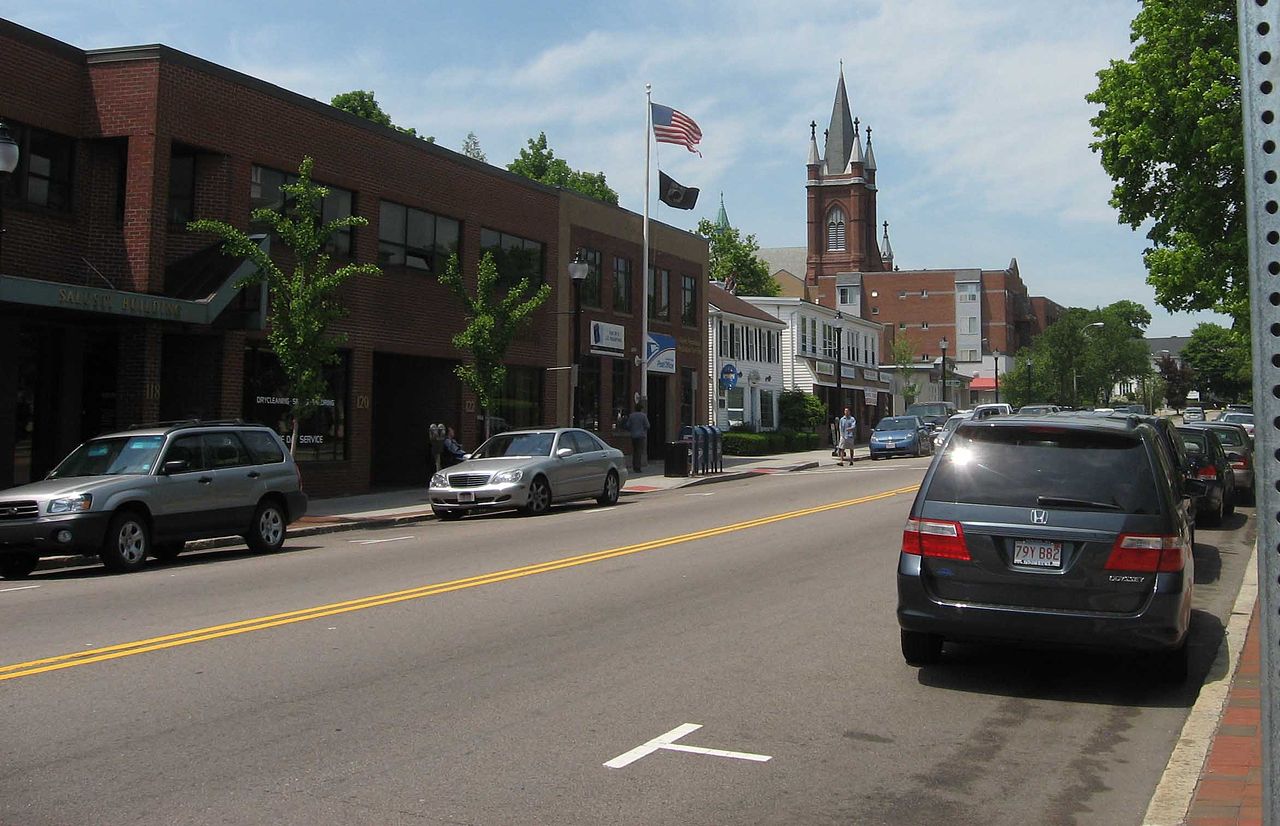
Sitting along the Charles River, Watertown blends its historic industrial roots with a comfortable, modern community vibe. Old brick mills and manufacturing sites have found new life, most notably at Arsenal Yards. What was once a military depot is now a lively neighborhood center full of apartments, casual restaurants, retail shops, and green space at Arsenal Park. Walking down Arsenal Street, you get a clear look at the town's evolution, where restored 19th-century brick buildings sit right next to new grocery options and biotech offices.

At just over four square miles, Watertown is remarkably easy to get around and puts you right next door to Cambridge and Boston. The community manages to feel tight-knit while supporting a strong local economy, with innovative life-science firms sharing the map with hundreds of independent small businesses. Daily routines revolve around hubs like Watertown Square and Coolidge Square, where local diners, pharmacies, and professional offices sit just minutes from quiet residential side streets. The city is also home to the Perkins School for the Blind, whose riverside campus has been a landmark for over a century.

Watertown has a rich local culture and is widely celebrated for its thriving Armenian community. Along Mount Auburn Street and throughout Coolidge Square, you will find incredible specialty markets, bakeries, and delis serving fresh flatbreads, kebabs, and pastries that draw food lovers from all across Greater Boston. The neighborhood is home to the Armenian Museum of America as well as the Mosesian Center for the Arts, a welcoming venue at the old Arsenal that hosts live theater, concerts, and gallery exhibitions throughout the year.

Getting outdoors and commuting are both simple here. The paved Charles River Reservation path provides a scenic, car-free route for runners and cyclists heading straight into Boston or west toward Waltham. If you rely on public transit, regular bus routes connect directly to Harvard Square and the subway, keeping Cambridge within an easy commute. Closer to home, neighbors gather at Saltonstall Park next to City Hall for outdoor concerts and the weekly summer farmers market, making it easy to plug into the local community.
Top Rating Signals
Highest current ratings for this town.
Loading town details...