
White Plains, NY
- Elevation
- 218 ft
- General Quality Overall rating out of 100
Highlights
What stands out in White Plains
Explore
More places like White Plains
About White Plains
White Plains has served as Westchester County’s focal point since the mid-1700s, carrying a rich backstory that helped shape the region. In the summer of 1776, local delegates gathered at the original courthouse to approve the Declaration of Independence, giving New York its first public reading of the historic document. Later that autumn, General Washington’s troops clashed with British forces across the hills that still border the city. When the railroad arrived in the 1840s, the center of commerce naturally shifted toward the tracks, laying the groundwork for the modern, accessible downtown area people know today.

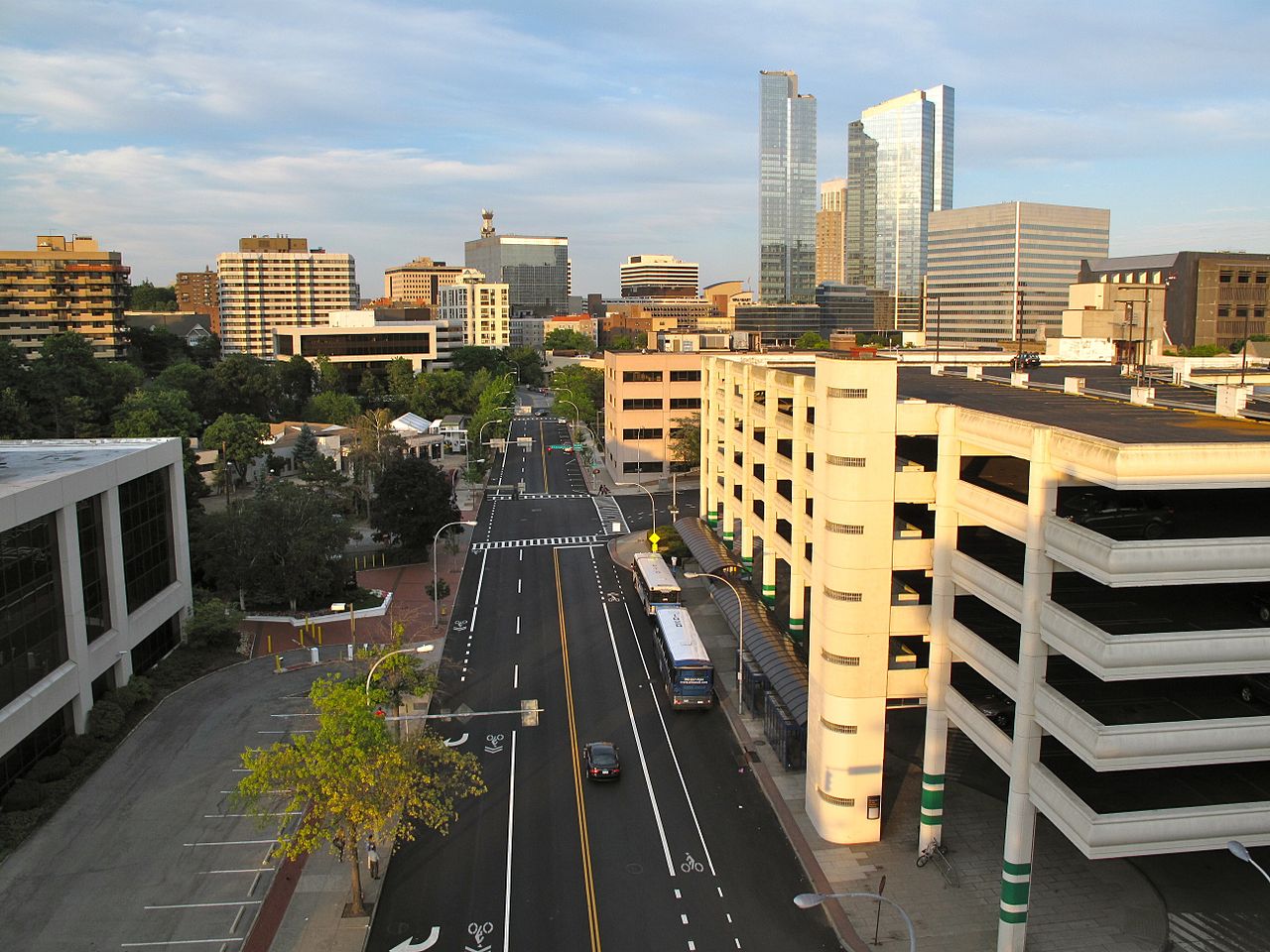
For commuters and newcomers, that train connection remains one of the city's biggest draws. Metro-North’s Harlem Line whisks riders straight into Grand Central Terminal in roughly thirty-five minutes, making trips into Manhattan quick and reliable. Right outside the station, Main Street and Mamaroneck Avenue form a lively, walkable core packed with modern apartments, shopping, and diverse restaurants. Just a short distance beyond the busy center, the landscape opens up into quiet, tree-lined residential neighborhoods with distinct charm, including the historic houses in the Highlands, the stately properties of Gedney Farms, and welcoming pockets like Battle Hill and Rosedale.

Because White Plains serves as the county seat, its daytime atmosphere is fueled by a steady mix of civic, medical, and professional activity. Leading medical facilities like White Plains Hospital, NewYork-Presbyterian, and Burke Rehabilitation Hospital provide top-tier care and anchor the local job market. Pace University’s law school adds an active academic presence near downtown, while county courts and corporate offices bring a steady stream of professionals into the city. This strong institutional base gives the ten-square-mile community reliable economic stability throughout the year.

After hours and on weekends, the downtown area transitions into a fun social hub. From spring through autumn, the weekly Court Street market brings local produce, baked goods, and live midday music to the heart of town. Warm summer nights feature events like Rock the Block, which opens up stretches of Mamaroneck Avenue for outdoor dining and concerts, while the annual White Plains JazzFest fills downtown venues with world-class performers every September. Between community festivals and cultural staples like ArtsWestchester and the White Plains Performing Arts Center, residents have plenty of dining and entertainment right in their own backyard.
Top Rating Signals
Highest current ratings for this town.
Loading town details...