
Auburn, CA
- Elevation
- 1,236 ft
- General Quality Overall rating out of 100
Highlights
What stands out in Auburn
Explore
More places like Auburn
About Auburn
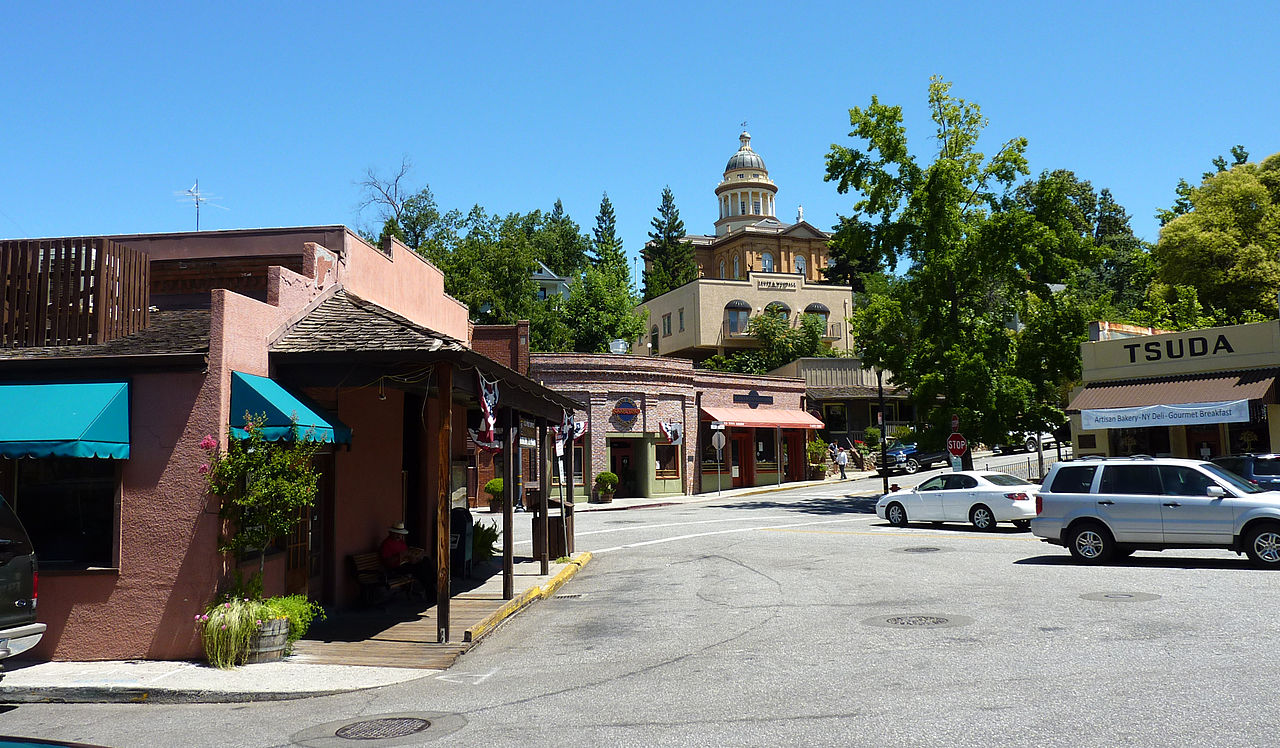
Auburn grew out of the 1848 Gold Rush, and that history still shapes the town today. The historic domed courthouse sits on a hilltop overlooking Old Town, where 19th-century brick buildings house local restaurants, taprooms, and antique shops. Walking around means navigating steep hills, wooden stairs, and narrow sidewalks, which gives newcomers an immediate feel for the foothill terrain. It is an authentic California gold country community, blending deep regional roots with an active, welcoming neighborhood feel.

With a population hovering around 14,000, Auburn has kept its small-town character while offering a steady foothill real estate market. Neighborhoods range from historic Victorians near the center of town to ranch homes on wooded acreage. When house hunting here, topography matters just as much as the house itself. A property close to Interstate 80 or Highway 49 on a map might require a drive along narrow, winding foothill roads. Elevation, tree cover, road maintenance, and commute routes are all key details to keep in mind when exploring different pockets of town.

Outdoor recreation is what truly defines life in Auburn. Perched right above the American River canyon, the town provides direct access to the Auburn State Recreation Area, which covers 30,000 acres of protected canyon landscape. Known as the Endurance Capital of the World, Auburn attracts trail runners, mountain bikers, hikers, and river rafters throughout the year. You can spend a relaxed morning walking the shaded, flat Quarry Trail or take on steep climbs down to the river confluence along Highway 49. Having this wilderness in your backyard is a massive draw for residents, though popular trailheads get busy on summer weekends.

Daily life in Auburn strikes an easy balance between foothill charm and practical convenience. Local bus routes and on-demand transit make getting around town simple, while the train station connects riders directly to Sacramento and the Bay Area on the Capitol Corridor line. Community gatherings center around spots like Recreation Park, which hosts youth sports, pickleball games, community pool days, and the annual autumn Harvest Festival. Between running errands along the Highway 49 commercial corridor, dining in Old Town, and catching sunset views from the towering Foresthill Bridge, Auburn offers a friendly, grounded pace of life.
Top Rating Signals
Highest current ratings for this town.
Loading town details...