
Bloomington, MN
- Elevation
- 825 ft
- General Quality Overall rating out of 100
Highlights
What stands out in Bloomington
Explore
More places like Bloomington
About Bloomington
If you know one thing about Bloomington before moving here, it is probably Mall of America. Decades ago, the site was home to Metropolitan Stadium, where the Twins and Vikings played, but today it anchors the city's lively South Loop district. Sitting right next to Minneapolis-Saint Paul International Airport, this corner of town brings together world-class shopping, dozens of hotels, busy corporate offices, and new residential buildings. The Blue Line light rail runs straight through the area, making it easy to catch a flight or head into downtown Minneapolis without worrying about airport parking or highway traffic.

Unlike cities built around a single downtown square, Bloomington is organized into several distinct commercial districts. Along Interstate 494, you will find major employers, restaurants, and shopping centers. Over on the west side near Interstate 35W, the Penn-American neighborhood offers a convenient mix of grocery stores, casual dining, and apartment living. Commuting anywhere in the Twin Cities metro is simple thanks to these major freeways and reliable transit options, including fast bus rapid transit lines that run straight into downtown Minneapolis.

Even with all its commercial energy, Bloomington dedicates roughly a third of its land to parks, trails, and open space. The city's southern border runs along the Minnesota River, where the Minnesota Valley National Wildlife Refuge protects thousands of acres of wetlands, forests, and floodplain habitats. The refuge's local visitor center offers scenic overlooks of Long Meadow Lake and connects to miles of quiet hiking and biking trails. It gives residents a peaceful outdoor retreat just minutes away from busy shopping centers and neighborhoods.

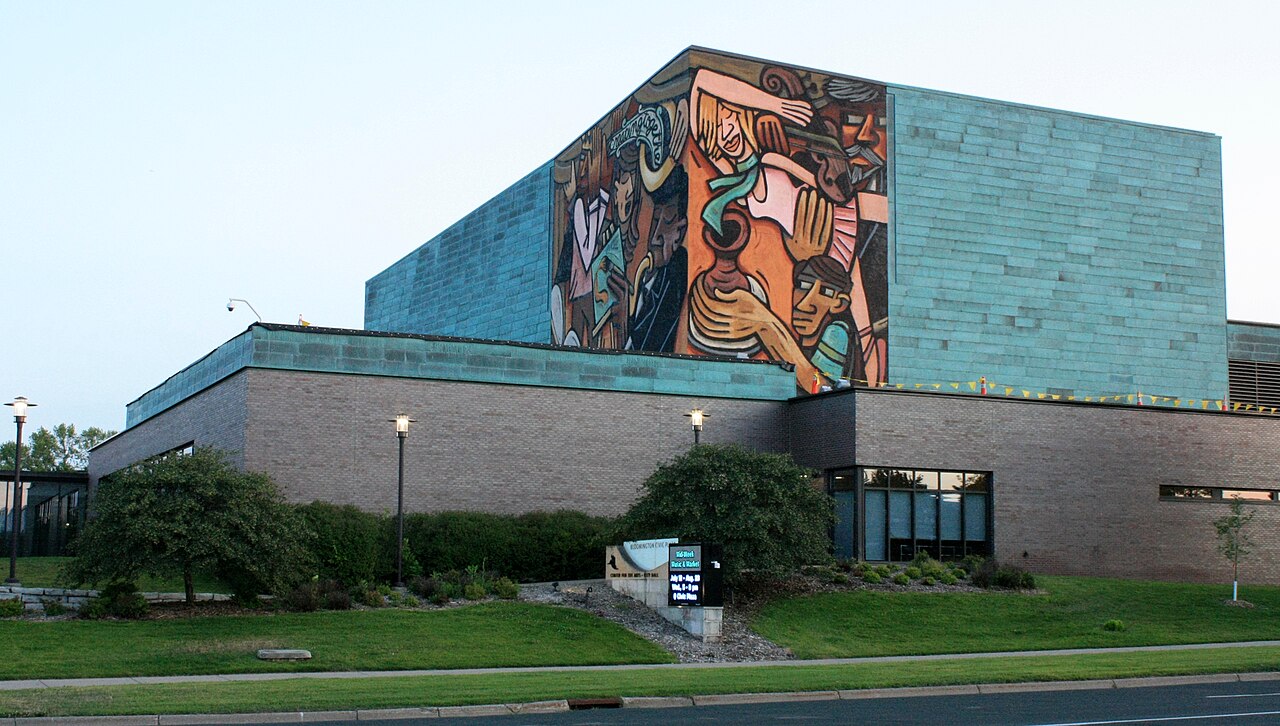
Local community activities and culture center around Civic Plaza on West Old Shakopee Road. This central campus brings together everyday city services, the police department, and the Bloomington Center for the Arts. Inside the arts center, you will find two theaters, art galleries, dance studios, and classrooms that host local theater troupes, music performances, and youth programs throughout the year. Between seasonal community festivals at the plaza, quiet nature reserves along the river, and easy transit across the Twin Cities, Bloomington offers a practical and well-rounded suburban lifestyle.
Top Rating Signals
Highest current ratings for this town.
Loading town details...