
Campbell, CA

- Elevation
- 198 ft
- General Quality Overall rating out of 100
Highlights
What stands out in Campbell
Explore
More places like Campbell
About Campbell
East Campbell Avenue serves as the main route connecting the city's two most popular gathering spots. On the west end sits historic Downtown Campbell, filled with locally owned boutiques, coffee spots, and open-air dining along tree-shaded streets. About a mile east, just across Highway 17, you will find the Pruneyard, a lively outdoor plaza complete with restaurants, office buildings, and a boutique hotel. Campbell Avenue connects the two areas directly, so it is an easy stroll or bike ride between getting dinner downtown and catching a movie at the Pruneyard. The city is steadily adding wider sidewalks and dedicated bike lanes along the corridor to make getting between both spots even easier.
The Pruneyard holds a fun spot in local history. It opened in the late 1960s on land that was once covered in prune and pear orchards. It even made legal history in 1980 when a landmark Supreme Court case over petition gathering established free speech rights in California shopping centers. In daily life, the twenty-seven-acre property is a favorite hangout for South Bay locals. You can grab lunch on a sunny patio, browse local shops, or catch a new release with dinner service at the Pruneyard Cinemas. It has the relaxed feel of an open-air neighborhood plaza where people naturally cross paths throughout the week.

Beyond retail and dining, Campbell has a thriving commercial side tucked into business parks along Dell Avenue. Companies like ChargePoint have their headquarters here, alongside medical device innovators, hardware labs, and fabrication shops that support the wider Silicon Valley tech community. Getting around the valley from Campbell is simple. The VTA Green Line light rail stops right downtown and at Winchester Station, offering direct transit connections to Diridon Station in San Jose and major office parks to the north. For active commuters, the Los Gatos Creek Trail also runs directly through town, giving runners and cyclists a continuous off-street path south to Los Gatos or north toward downtown San Jose.

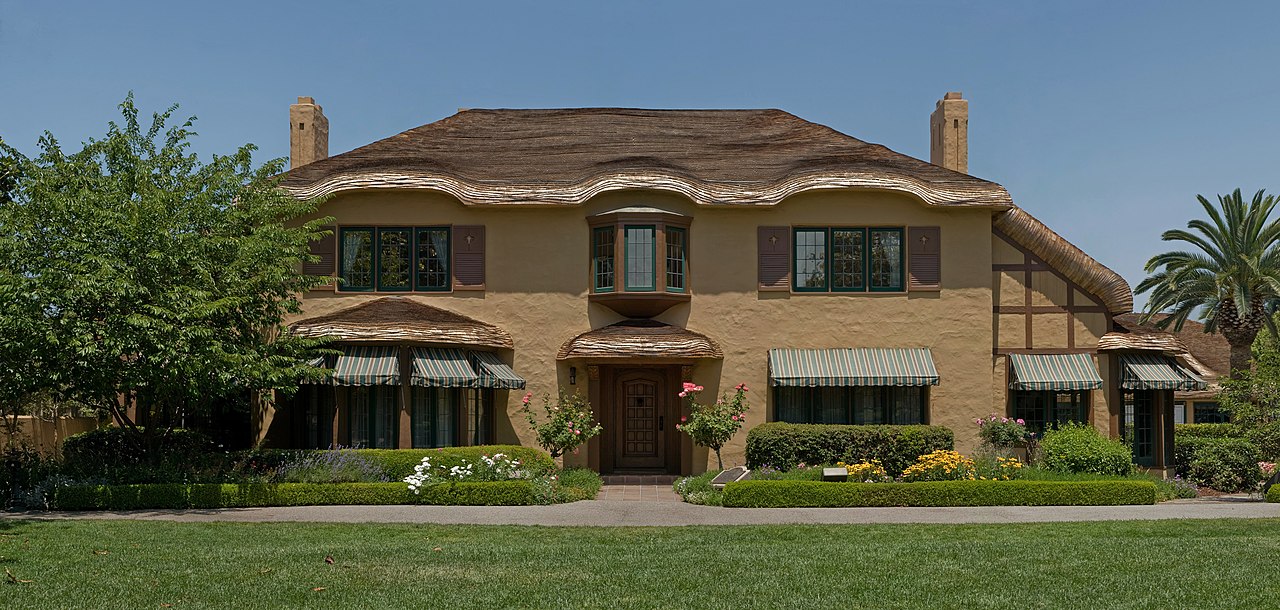
Campbell grew from an agricultural settlement founded in the mid-nineteenth century by Benjamin Campbell. The area quickly became a major fruit-canning center, shipping dried prunes and canned fruit across the country and to Europe. You can explore that past at the Ainsley House, an English country-style home built in 1925 that was preserved and moved to the civic center grounds on Grant Street. That neighborhood feel is on full display every Sunday, when the year-round farmers' market fills Campbell Avenue with fresh local produce, baked goods, and live music. Big annual community events like Boogie on the Avenue and Oktoberfest bring out food trucks and craft vendors, giving Campbell a distinct small-town feel in the middle of the Bay Area.
Top Rating Signals
Highest current ratings for this town.
Loading town details...