
Catonsville, MD
- Elevation
- 477 ft
- General Quality Overall rating out of 100
Highlights
What stands out in Catonsville
Explore
More places like Catonsville
About Catonsville
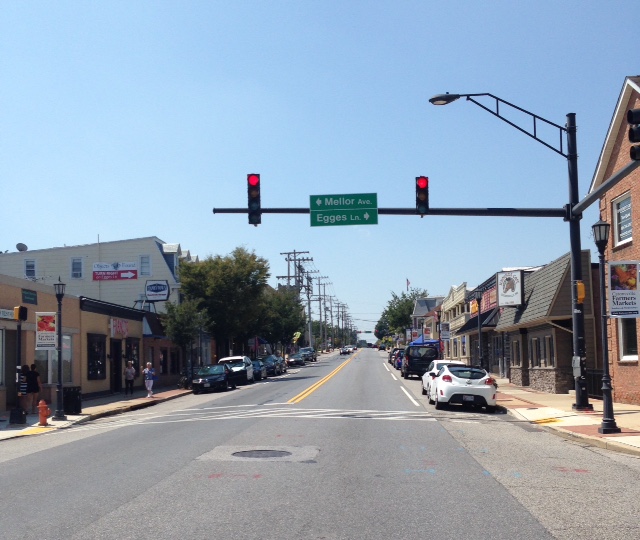
Life in Catonsville naturally revolves around Frederick Road, the historic main street running straight through town. It has the walkable, independent feel of a classic streetcar suburb, packed with cozy coffee spots, bakeries, local restaurants, and mom-and-pop shops. You will also quickly notice the town's nickname, "Music City Maryland." Independent guitar shops, instrument repair spaces, and recording studios line the avenue, backed up by colorful murals and live acoustic sets. During the summer, neighbors gather downtown for Frederick Road Fridays, a weekly outdoor concert series that brings people together while raising money for local non-profits. This lively strip gives the community a genuine small-town heart just minutes outside Baltimore.

Step a few blocks away from the shops and the landscape opens into deep green hills and quiet valleys. Outdoor enthusiasts enjoy direct access to Patapsco Valley State Park right along the town's western edge, offering miles of shaded trails, scenic stream crossings, and some of the best mountain biking in the region. Getting outside is just as easy right in your neighborhood thanks to the town's converted rail trails. You can jog the paved Number 8 Streetcar Path, or take the popular Number 9 Trolley Trail through the woods straight into neighboring historic Ellicott City, making it simple to spend an afternoon outside close to home.

Two major college campuses sit along the south side of town, bringing a steady energy and great community amenities to the area. The University of Maryland, Baltimore County (UMBC) hosts collegiate sports, art exhibits, theater performances, and popular public stargazing nights at its campus observatory. Down the road, the Community College of Baltimore County features a sprawling campus complete with its own performing arts center, planetarium, community recreation facilities, and continuing education classes. Having both schools nearby provides solid employment opportunities along with easy access to cultural events throughout the year.

Catonsville's history and character extend well beyond the main corridor. Established neighborhoods like the historic Winters Lane community reflect a deep local heritage, while nearby Benjamin Banneker Historical Park and Museum offers quiet walking grounds and exhibits honoring the brilliant 18th-century astronomer and surveyor. For commuters, getting around the Baltimore-Washington corridor is simple, with regular bus service into downtown Baltimore and quick connections to I-695, I-95, and BWI Airport. It all comes together to create a comfortable, well-rounded place to live with great parks, welcoming neighborhoods, and easy access to city life.
Top Rating Signals
Highest current ratings for this town.
Loading town details...