
Compton, CA
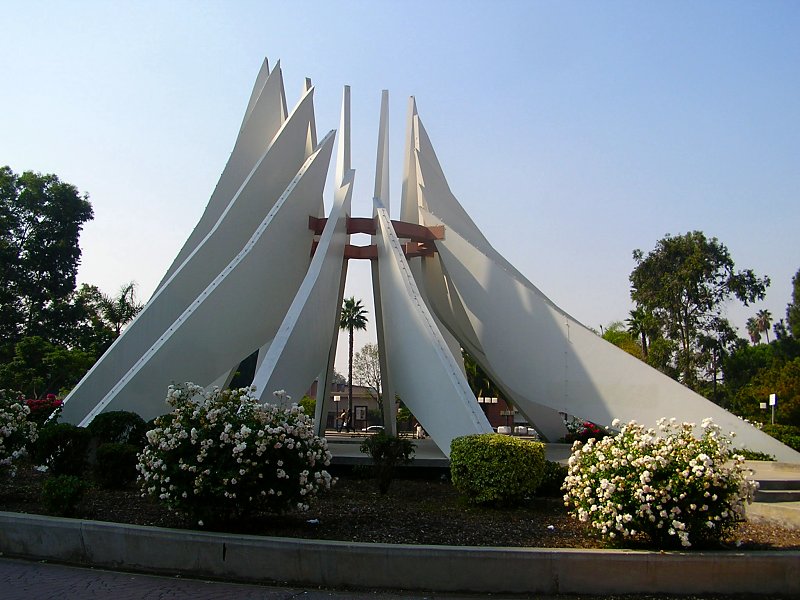
- Elevation
- 70 ft
- General Quality Overall rating out of 100
Highlights
What stands out in Compton
Explore
More places like Compton
About Compton
Most people recognize Compton through its massive footprint in music and pop culture, from pioneering hip-hop groups like N.W.A to modern stars like Kendrick Lamar. On the ground, though, it is an established Southern California community known as the "Hub City" because of its position near the center of Los Angeles County. That central location is a huge advantage for commuters. The downtown Martin Luther King Jr. Transit Center makes it easy to hop on the Metro A Line, giving residents a straightforward train ride straight into downtown Los Angeles or south to the coast in Long Beach.

Beyond its music roots, Compton has several unique local landmarks that surprise new residents, including a rich aviation tradition. Compton/Woodley Airport has been operating since the 1920s and serves as a bustling center for flight training and general aviation. It is also home to Tomorrow's Aeronautical Museum, a nonprofit that offers hands-on aerospace programs and flight lessons for local youth. Events like the annual Air Fair give families a chance to explore vintage airplanes up close and experience a neighborhood gathering you will rarely find in other suburbs.

Neighborhoods across the city reflect a deep, evolving history. One of the most distinctive areas is Richland Farms, a semi-rural pocket where spacious lots allow residents to keep horses, tend gardens, and carry on the tradition of the famous Compton Cowboys. Over the decades, Compton has grown into a vibrant multicultural city where Black and Latino heritage blend together in local eateries, community events, and quiet residential blocks.

Daily living centers on local community resources, education, and recreation. Compton College serves as a major hub for higher education and career training right in town. Residents also have access to sixteen city parks and athletic facilities, including Jackie Robinson Stadium, local aquatic centers, and the popular Dollarhide Community Center for events and classes. For anyone looking for central access to Los Angeles County with deep cultural roots, Compton offers an energetic community with a character all its own.
Top Rating Signals
Highest current ratings for this town.
Loading town details...