
Davis, CA

- Elevation
- 49 ft
- General Quality Overall rating out of 100
Highlights
What stands out in Davis
Explore
More places like Davis
About Davis
Davis is famous across the country for putting bikes first, and you feel that difference right away. Back in the late 1960s, the city created the nation's very first dedicated bike lanes, kicking off a riding culture that shapes daily routines to this day. Today, a network of more than one hundred miles of bike paths and quiet greenbelts links residential neighborhoods directly to schools, downtown coffee shops, and the university. You will see toddlers on balance bikes, professors pedaling to lecture halls, and neighbors out on evening rides. Annual traditions like the Loopalooza community ride make it easy to get outside and explore the city's trail system at your own speed.
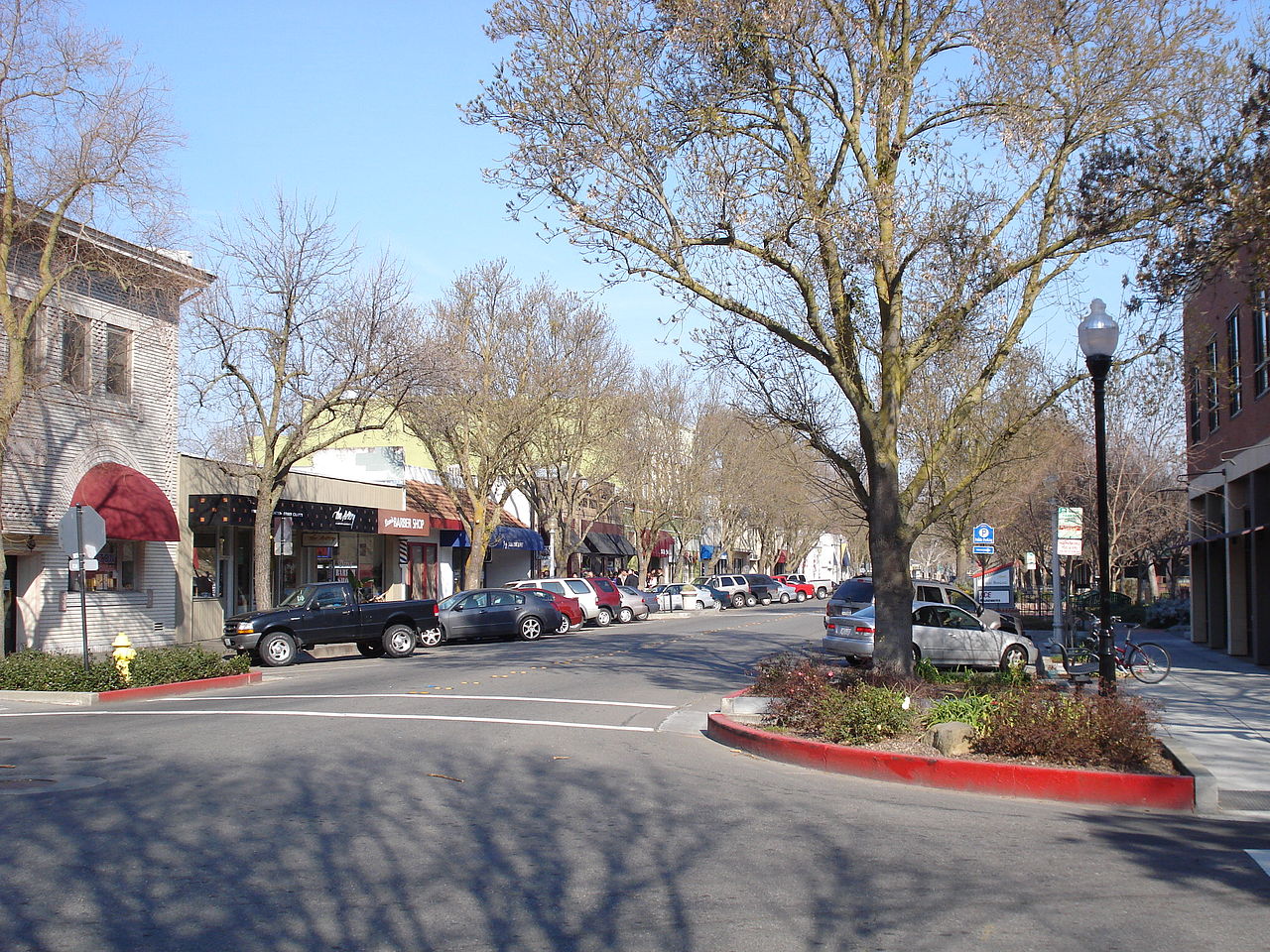
The compact layout makes everyday errands remarkably simple. Davis grew from an 1860s railroad junction and farm depot into a classic California college town, keeping its historic core intact. The Amtrak train depot sits right at the edge of downtown, where leafy streets lined with local restaurants, bookstores, and bakeries lead straight into the UC Davis campus. Third Street acts as a natural bridge between the commercial district and the university quad, making it easy to grab lunch, browse a shop, or catch a train without getting in a car.

UC Davis drives much of the local economy as the city's largest employer, bringing a vibrant, international feel to everyday life. The university is widely known for veterinary medicine, agriculture, and environmental research, but its influence reaches far beyond laboratories. Even the local bus system, Unitrans, is managed and driven almost entirely by undergraduate students. You will frequently spot their vintage red London double-decker buses cruising around town, which regularly transport neighbors straight to the park on weekend mornings.
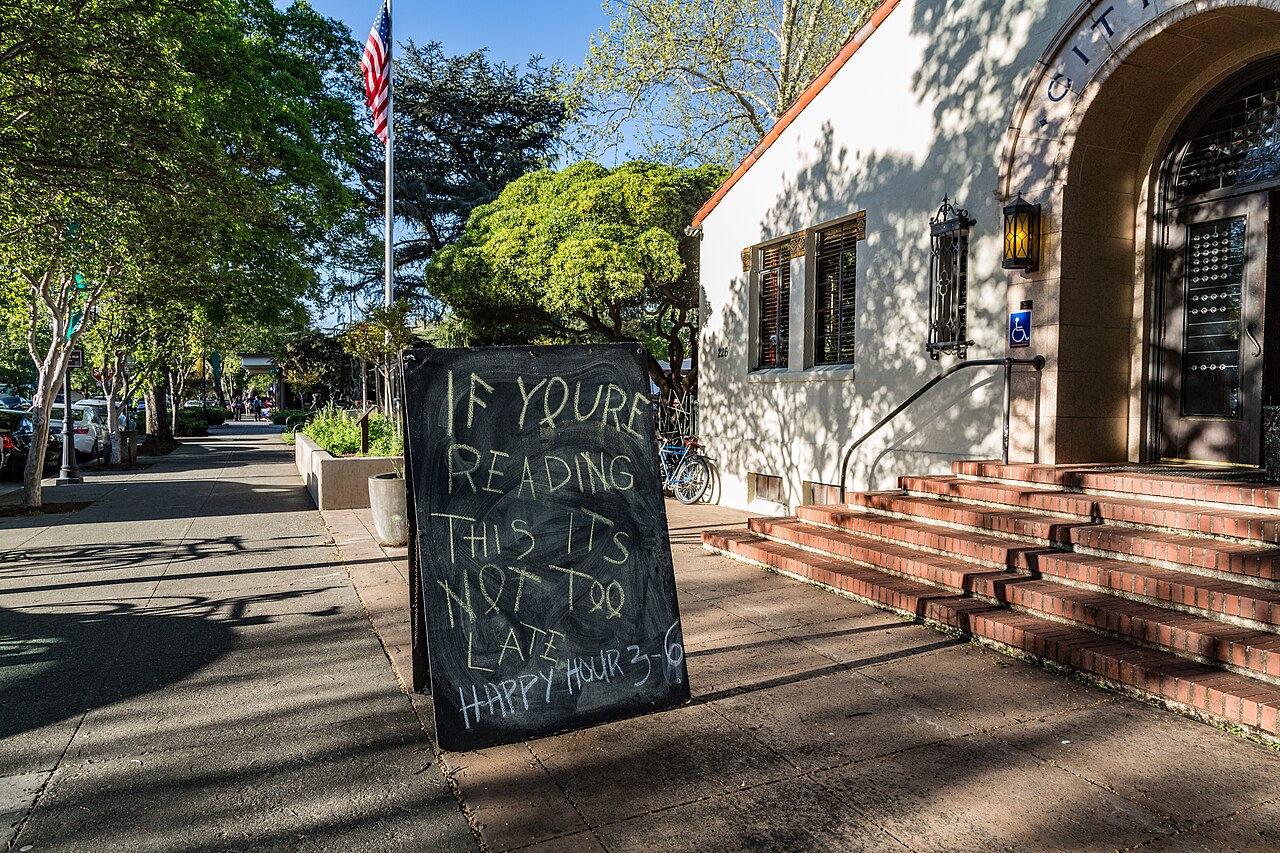
Central Park functions as a neighborhood hub, especially during the year-round Davis Farmers Market on Wednesday afternoons and Saturday mornings. Families spread blankets across the lawn to enjoy fresh baked goods, seasonal produce, and hot food while listening to live music. In the spring, campus traditions like the Whole Earth Festival bring artisan crafts, environmental workshops, and local bands right onto the main quad. It adds up to a friendly, outdoorsy town where getting around is easy and community gatherings are part of the weekly routine.
Top Rating Signals
Highest current ratings for this town.
Loading town details...