
Decatur, GA
- Elevation
- 1,042 ft
- General Quality Overall rating out of 100
Highlights
What stands out in Decatur
Explore
More places like Decatur
About Decatur
Decatur actually predates Atlanta, starting out in the 1820s as a courthouse seat built around a busy crossroads. As rail lines and travel routes expanded, the quiet town developed a strong local identity of its own. Much of the residential core was built during the 1920s, which is why tree-lined streets throughout the city are filled with classic Craftsman bungalows, wide front porches, and historic cottages. The community has carefully preserved that original architecture, giving neighborhood blocks a warm, established feel.

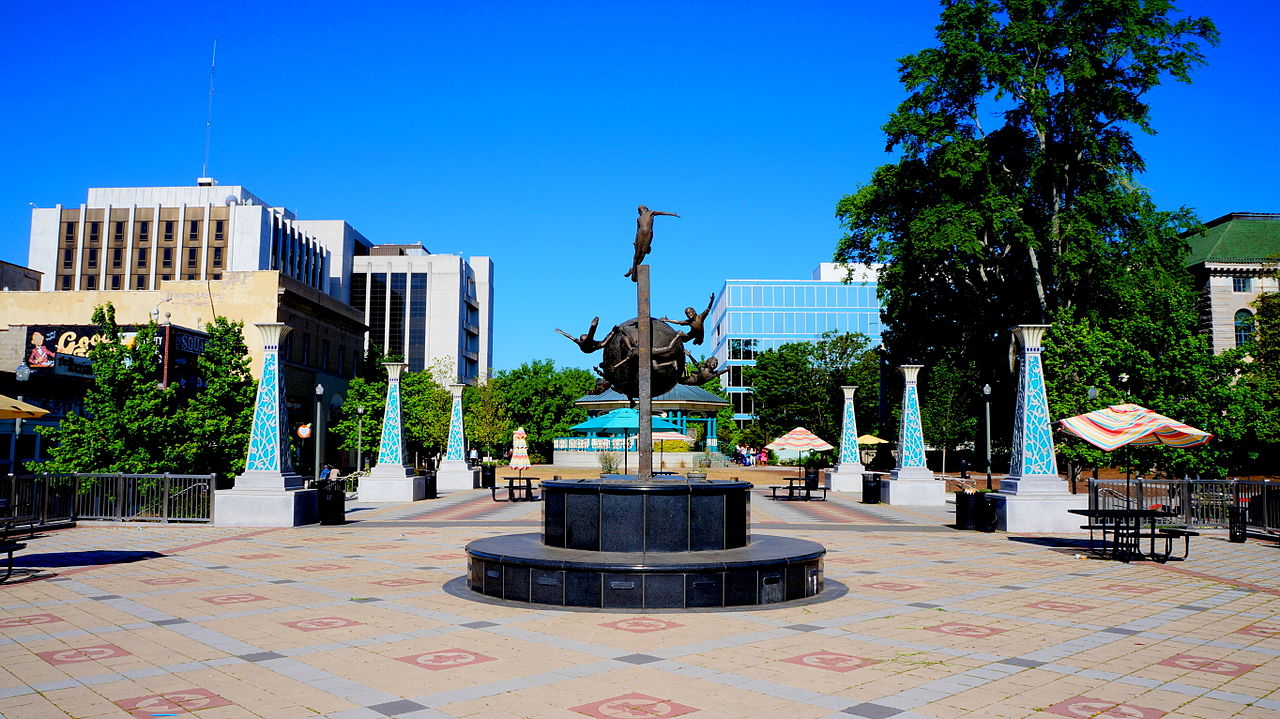
With about 25,000 residents across less than five square miles, Decatur offers an exceptionally walkable lifestyle that is rare in the Atlanta metro. Downtown serves as the main hub, packing award-winning restaurants, indie bookstores, and neighborhood pubs around the old courthouse square. Just south of downtown, the tree-filled campus of Agnes Scott College anchors the area, while cozy commercial pockets like Oakhurst Village sit within an easy stroll. Commuters also have great transit options: the MARTA Blue Line runs right beneath the square with additional stations at East Lake and Avondale, and free shuttle buses connect directly to Emory University.

If you are house hunting, keep an eye on how addresses are labeled. A large portion of unincorporated DeKalb County carries a Decatur mailing address, but only properties inside the official municipal boundaries attend the sought-after City Schools of Decatur and receive city services. Real estate listings often blur this line, so always verify the property tax district directly. If you are looking at an older home in one of the designated historic districts, you will also want to review city guidelines before planning major exterior renovations.

The city has a lively cultural scene with a distinctly local flavor. Annual traditions like the Decatur Arts Festival and the Decatur Book Festival draw crowds directly into the center of town, while iconic venues like Eddie's Attic host intimate acoustic shows above the square. Over on the east side of town, the 77-acre Legacy Park gives residents access to walking trails, historic greenspaces, and community gardens. It is an easy place to settle into, where you can hop off the train after work, grab dinner on a patio, and walk to an evening event a few blocks from home.
Top Rating Signals
Highest current ratings for this town.
Loading town details...