
Downers Grove, IL
- Elevation
- 747 ft
- General Quality Overall rating out of 100
Highlights
What stands out in Downers Grove
Explore
More places like Downers Grove
About Downers Grove
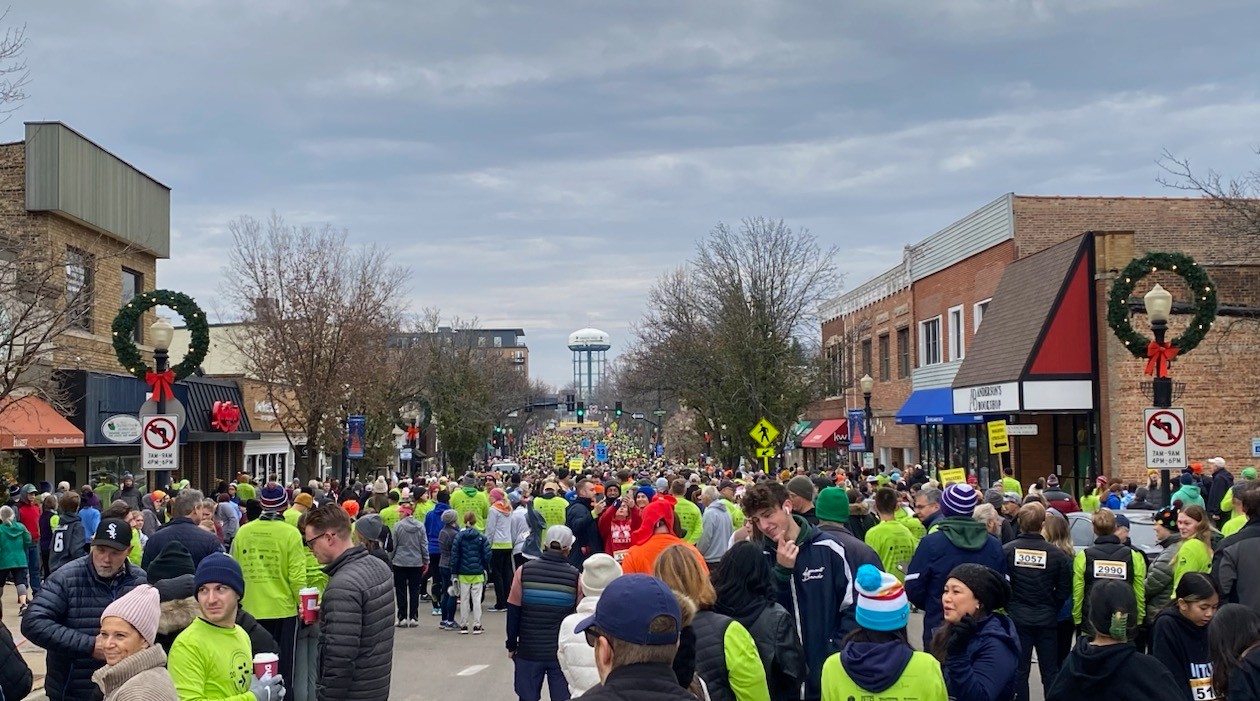
Commuting into Chicago is remarkably easy from Downers Grove because the village has three separate Metra stations along the BNSF line: Belmont, Main Street, and Fairview Avenue. The Main Street stop puts you directly into the center of downtown, where you can step off the train and walk straight to local coffee shops, family-owned restaurants, and boutique stores. During warmer months, neighbors gather downtown for the weekly Saturday morning farmers market, catch outdoor concerts in Fishel Park, or browse art during fall street festivals. It gives the downtown area an active, friendly rhythm on weekday evenings and weekends alike.

On the north side of town near 31st Street and Highland Avenue, you will find a major hub for education and healthcare. Midwestern University brings a lively campus of healthcare graduate students into the community, while Advocate Good Samaritan Hospital provides comprehensive medical care as the area's premier Level I trauma center. Having these institutions in town is a big plus for medical professionals looking for nearby employment and for residents who want top-tier facilities close to home. The campus area also sits right off Interstate 88, which keeps regional travel around the western suburbs quick and convenient.

Downers Grove has a distinct historic character that gives its neighborhoods a lot of charm. If you wander the tree-lined residential streets, you can spot dozens of preserved Sears kit homes built in the early twentieth century. Downtown is anchored by the historic Tivoli Theatre, an authentic 1928 movie palace where you can still catch first-run movies beneath a restored vintage ceiling. You can even hear the original Wurlitzer pipe organ play before Saturday evening screenings, or head into the classic basement bowling alley for a fun and nostalgic night out.

When you want to spend time outdoors, Lyman Woods provides 150 acres of quiet oak forest, wetlands, and hiking trails right in town. The William F. Sherman Jr. Interpretive Center features interactive exhibits, an observation beehive, and guided programs that are great for curious kids. The preserve exists today thanks to dedicated locals who fought off commercial development in the 1990s, ultimately saving the land in a referendum that passed by just twelve votes. Today, those wooded trails offer a peaceful escape for morning joggers, birdwatchers, and families looking for fresh air.
Top Rating Signals
Highest current ratings for this town.
Loading town details...