
Glendale, AZ

- Elevation
- 1,128 ft
- General Quality Overall rating out of 100
Highlights
What stands out in Glendale
Explore
More places like Glendale
About Glendale
Glendale is one of the Valley's most varied cities, stretching from quiet historic streets to high-energy entertainment hubs. On the east side, downtown Glendale features Catlin Court, where early 20th-century craftsman bungalows have been turned into local bakeries, antique shops, and indie boutiques. Head up north toward Arrowhead Ranch, and you will find established subdivisions, golf courses, and mountain backdrops near the Hedgpeth Hills. Out west, the city opens up along the Loop 101 freeway into a fast-growing corridor packed with newer subdivisions, shopping centers, and massive sports venues.

The local job market is just as diverse as the neighborhoods. Major aerospace and defense employers like Honeywell and Lockheed Martin have a solid presence here, supported by Luke Air Force Base just west of the city border. The booming Loop 303 corridor has brought dozens of new logistics, manufacturing, and distribution facilities to the area. Healthcare and higher education are also major employment drivers, anchored by Banner Thunderbird Medical Center and Midwestern University. For service and entertainment roles, the district around Westgate keeps restaurants, hotels, and retail shops busy year-round.

Glendale got its start in the late 1800s as an agricultural community fed by the newly built Arizona Canal, initially settled by families looking to build a quiet farming town. You can still get a feel for that era at Historic Sahuaro Ranch Park, a 17-acre preserve where peacocks wander between historic adobe homesteads, fruit orchards, and rose gardens. Over time, Glendale grew into a premier destination for pro sports. Fans regularly fill State Farm Stadium for Arizona Cardinals games and major concerts, while Camelback Ranch brings in baseball crowds every March for Los Angeles Dodgers and Chicago White Sox spring training.
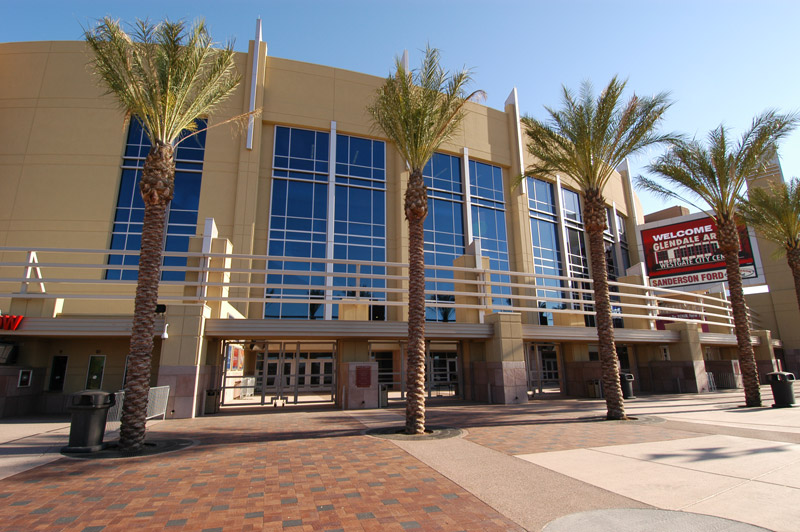
When you want to spend time outdoors, the city offers great options on both ends of town. Downtown Glendale recently renovated its central civic campus and Murphy Park, creating an open community gathering space for seasonal festivals and concerts right next to the shops in Catlin Court. Up north, Thunderbird Conservation Park covers over a thousand acres of Sonoran Desert terrain, with roughly fifteen miles of hiking trails that climb into the Hedgpeth Hills for panoramic valley views. It gives residents a nice balance between easy desert access, neighborhood parks, and big-ticket entertainment.
Top Rating Signals
Highest current ratings for this town.
Loading town details...