
Happy Valley, OR
- Elevation
- 500 ft
- General Quality Overall rating out of 100
Highlights
What stands out in Happy Valley
Explore
More places like Happy Valley
About Happy Valley
Happy Valley started out as a quiet farming community in the 1850s, when settlers Christian and Matilda Deardorff claimed land at the foot of Mount Scott. Over the years, the area went by several names, including Deardorff Valley and Christilla, before settling on Happy Valley. As local lore tells it, the name came either from a group of lively young men who liked drinking hard cider and singing in the woods, or from early real estate promoters looking for a great sales pitch. By 1965, about 300 residents voted to officially incorporate so they could guide their own local planning as greater Portland expanded east.

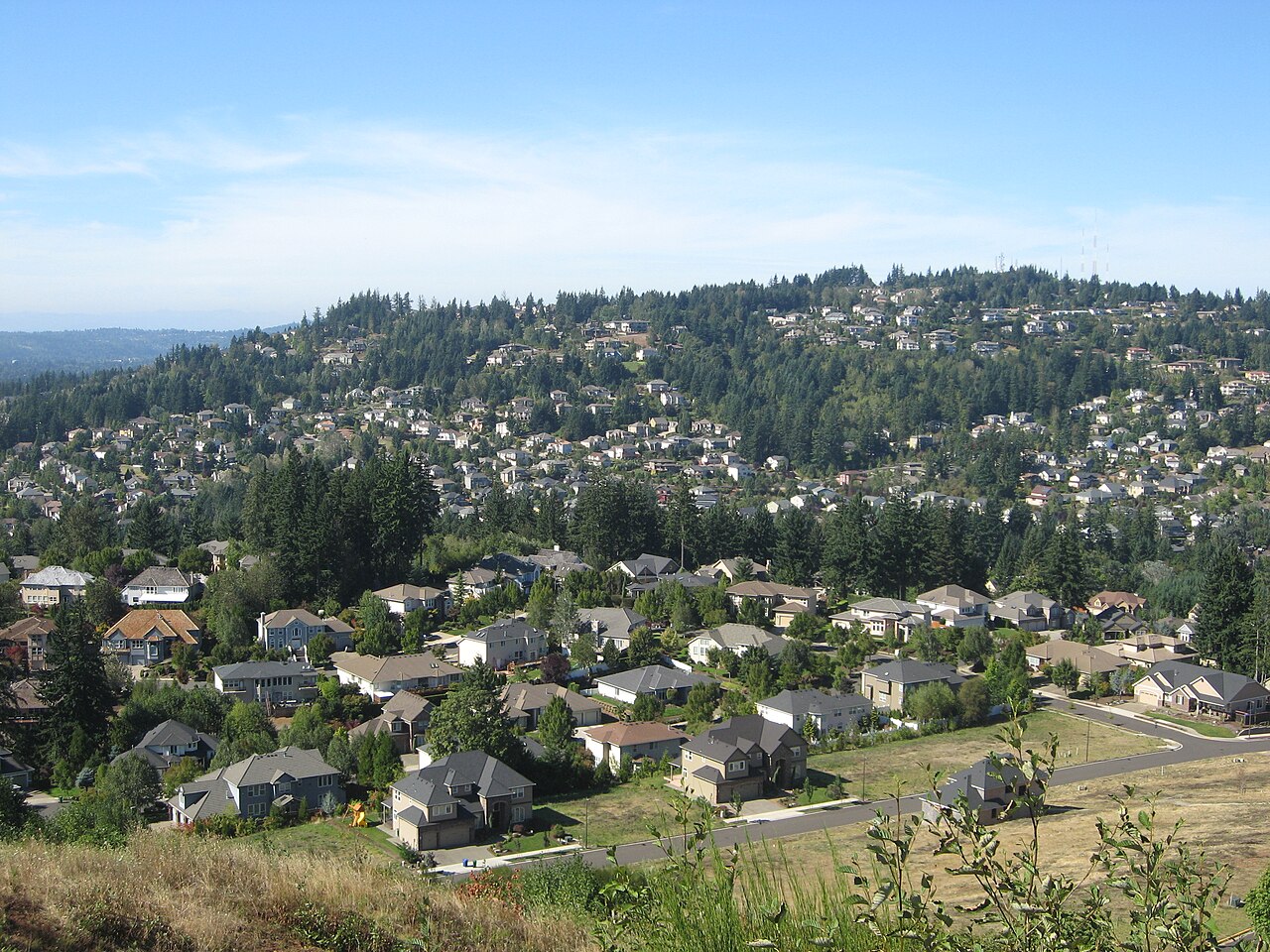
Set across the rolling volcanic hills southeast of Portland, the city is known for its hillside neighborhoods, green spaces, and scenic valley views. Happy Valley stayed largely rural for decades, but growth took off rapidly in the mid-1990s when land opened up inside the regional urban growth boundary. Since then, it has transformed into a popular suburb with modern residential developments set against wooded slopes and seasonal creeks. Even as new streets continue reaching eastward toward Pleasant Valley, you will still see open acreage and hobby farms alongside the newer subdivisions.

Daily errands and dining cluster along Sunnyside Road and 172nd Avenue, where you will find grocery stores, everyday services, and local favorites like the Happy Valley Station food carts. City building standards give much of the commercial construction a recognizable Pacific Northwest look, with warm wood beams, stone accents, and pitched roofs. Because the community grew up around major driving corridors, the city has been acquiring land to build a walkable downtown Main Street district east of 172nd Avenue, along with a massive 40-acre community park nearby.

Outdoor recreation is a big part of living here, with several distinct spots spread across town. Happy Valley Park serves as a central hub, featuring sports courts, play areas, a splash pad, dog parks, and wetland boardwalks that host outdoor summer concerts. Nearby, Scouters Mountain Nature Park offers shaded trail loops through mature fir forests up to scenic viewpoints, with a picnic shelter built from the timber of an old Boy Scout lodge. Along with a busy community library on Sunnyside Road, these parks give residents easy places to gather, hike, and enjoy the scenery close to home.
Top Rating Signals
Highest current ratings for this town.
Loading town details...