
Laguna Beach, CA
- Elevation
- 17 ft
- General Quality Overall rating out of 100
Highlights
What stands out in Laguna Beach
Explore
More places like Laguna Beach
About Laguna Beach
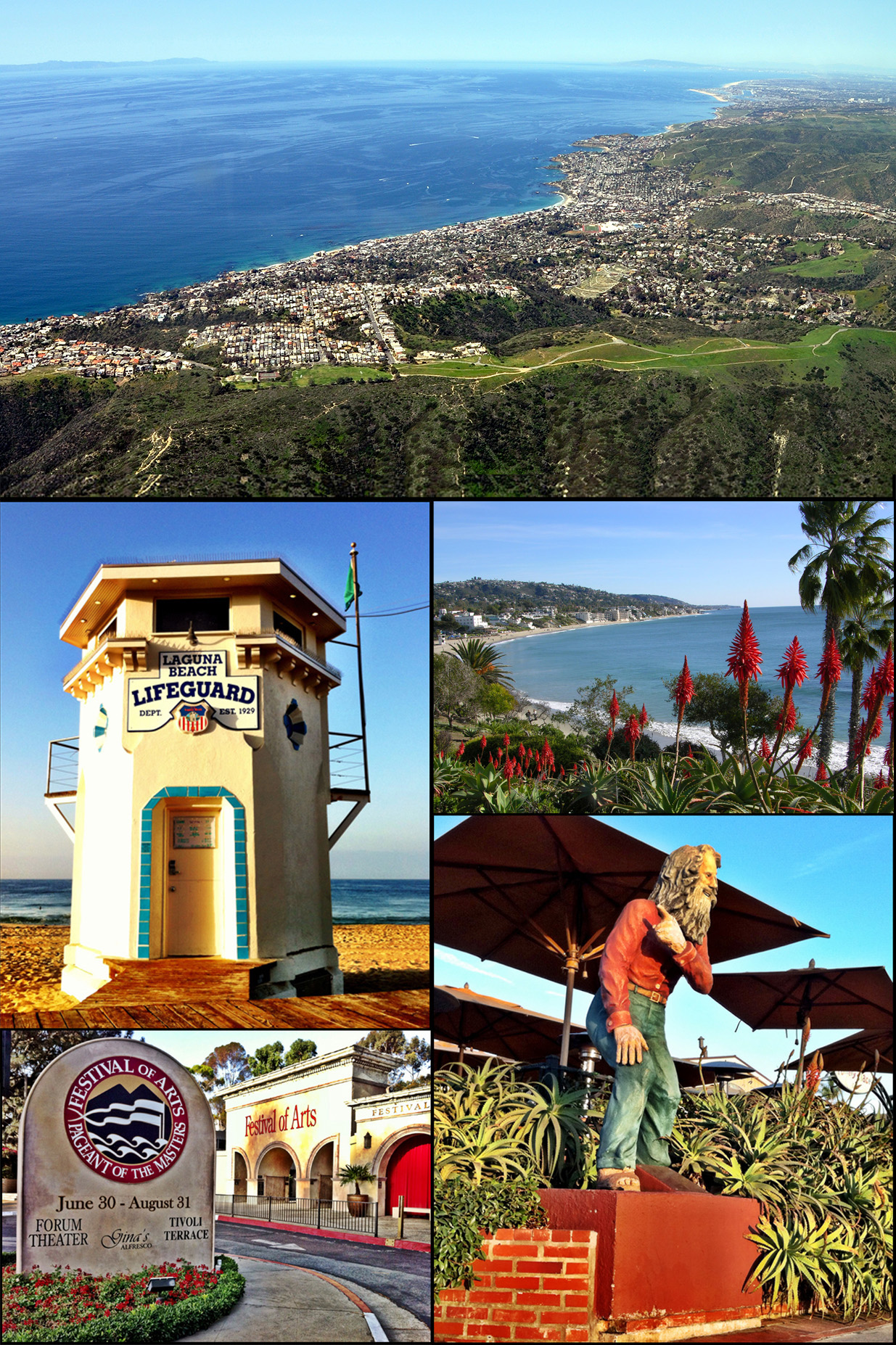
Nestled between dramatic coastal hills and the Pacific Ocean, Laguna Beach is defined by its geography. Thousands of acres of protected wilderness, including Crystal Cove State Park and Laguna Coast Wilderness Park, surround the town and keep it from expanding outward. As a result, homes are tucked into scenic canyons, perched along hillside ridges, or clustered around quiet ocean coves. Getting around is straightforward because there are only three primary routes into and out of town: Pacific Coast Highway running north and south, and Laguna Canyon Road leading inland toward the freeways. Where you choose to live dictates your daily commute and your proximity to the water.

Navigating town without a car is surprisingly easy thanks to local transit tailored to the area's hills and narrow streets. The city operates free on-demand ride services and seasonal open-air trolleys connecting residential neighborhoods directly to downtown, local beaches, and festival venues. Residents frequently use these shuttles to avoid summer parking headaches, whether they are heading out for dinner or spending the day by the water. With pickup spots spread throughout the canyon and coastal neighborhoods, getting to the center of town is convenient regardless of where you settle.

Laguna's creative spirit dates back more than a century to its beginnings as an early California art colony. That legacy remains central to the community, anchored by the Laguna Art Museum and celebrated through major summer traditions. The most famous event is the Pageant of the Masters, where volunteers pose inside elaborate sets to recreate classical works of art on an outdoor stage. Beyond being a beloved tradition, the arts play a huge role in the local economy, supporting hundreds of local jobs and giving the town an active social calendar.

Just up Laguna Canyon Road, you will find creative hubs like the Sawdust Art Festival, where resident artists build handcrafted wooden booths to showcase original jewelry, ceramics, and woodwork. Nearby, the historic Laguna Playhouse offers a full season of live theater, continuing a performance tradition that started in the 1920s. Together, these venues create an active cultural corridor that keeps the canyon lively year-round and gives new residents plenty to explore right in their own backyard.
Top Rating Signals
Highest current ratings for this town.
Loading town details...