
Lakewood, NJ
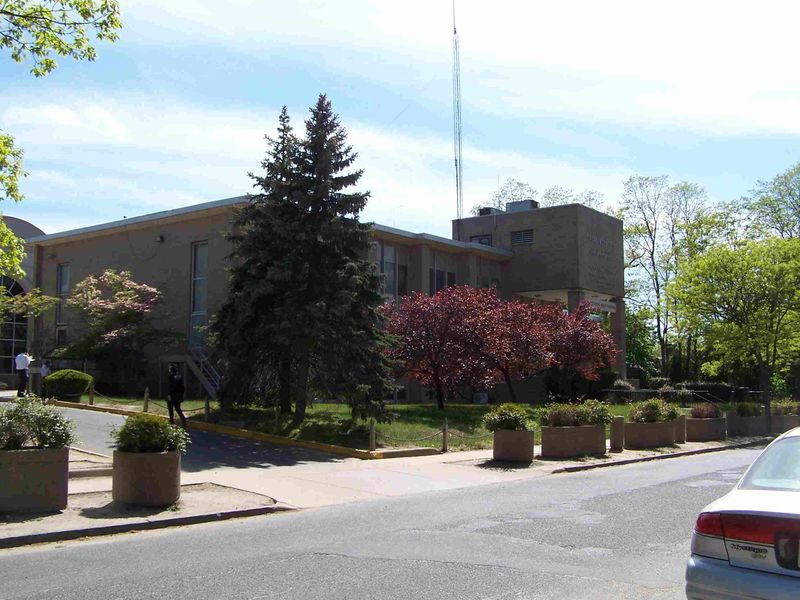
- Elevation
- 73 ft
- General Quality Overall rating out of 100
Highlights
What stands out in Lakewood
Explore
More places like Lakewood
About Lakewood
Central Lakewood is the lively, bustling core of Lakewood Township, centered around Lake Carasaljo, Main Street, and Clifton Avenue. Long before it grew into the dense residential and commercial hub it is today, the area began as a small mill village along the Metedeconk River in the late 1700s. Early settlers soon built iron furnaces that powered the local economy, and the community cycled through names like Washington's Furnace and Bricksburg before choosing Lakewood in 1880. Today, that historic footprint forms a walkable downtown area filled with neighborhood shops, community gathering spots, and local heritage.

During the late nineteenth century, Lakewood established itself as a premier winter haven for wealthy families escaping New York and Philadelphia. Visitors arrived by rail to stay in sprawling pine-scented resorts, and Gilded Age titans like John D. Rockefeller and George Jay Gould built private estates nearby. Although the original luxury resort era eventually faded, its architectural legacy remains everywhere you look. Rockefeller's former grounds now serve as Ocean County Park, Gould's lakeside estate became the Georgian Court campus, and the historic Strand Theater continues to host live entertainment on Clifton Avenue.

Education and tradition anchor much of the local community. Beth Medrash Govoha, founded in 1943 by Rabbi Aaron Kotler, has grown into one of the largest yeshivas in the world, bringing thousands of scholars to the heart of town and anchoring a vibrant Orthodox Jewish community. Across town, Georgian Court University offers a tranquil contrast on its 114-acre National Historic Landmark campus. The university grounds are home to the Sister Mary Grace Burns Arboretum, featuring formal Japanese gardens, sunken marble courtyards, and scenic walking paths that are open to the public during the day.

For residents, the area blends substantial employment opportunities with a distinct downtown feel. Lakewood features massive business and industrial parks on the outskirts of town that employ thousands of people across healthcare, manufacturing, and logistics. Back in the center, you will find active retail corridors, popular kosher dining and bakeries, a seven-day-a-week library branch, and picturesque views across Lake Carasaljo that keep the neighborhood lively all year long.
Top Rating Signals
Highest current ratings for this town.
Loading town details...