
Loveland, CO
- Elevation
- 4,986 ft
- General Quality Overall rating out of 100
Highlights
What stands out in Loveland
Explore
More places like Loveland
About Loveland
Loveland is widely known as the Sweetheart City, and locals embrace that reputation every February. Through its famous Valentine Remailing Program, which began in 1947, volunteers hand-stamp hundreds of thousands of valentines sent from around the world with a custom postmark and verse before forwarding them to their final destinations. The town was established in 1877 as a railroad stop and named after rail executive William Loveland, long before it became famous for sending love notes across the globe. Today, that welcoming community spirit still defines the city.

For prospective residents exploring neighborhoods, Loveland offers a comfortable mix of historic character and modern convenience. The downtown core features walkable streets lined with turn-of-the-century homes, local coffee shops, and independent businesses. Over on the east side near Interstate 25, the newer Centerra development provides master-planned neighborhoods, expansive shopping at the Promenade Shops, and the regional UCHealth Medical Center of the Rockies. This setup lets you choose between a classic small-town neighborhood and convenient suburban amenities with quick highway access to Fort Collins and Denver.

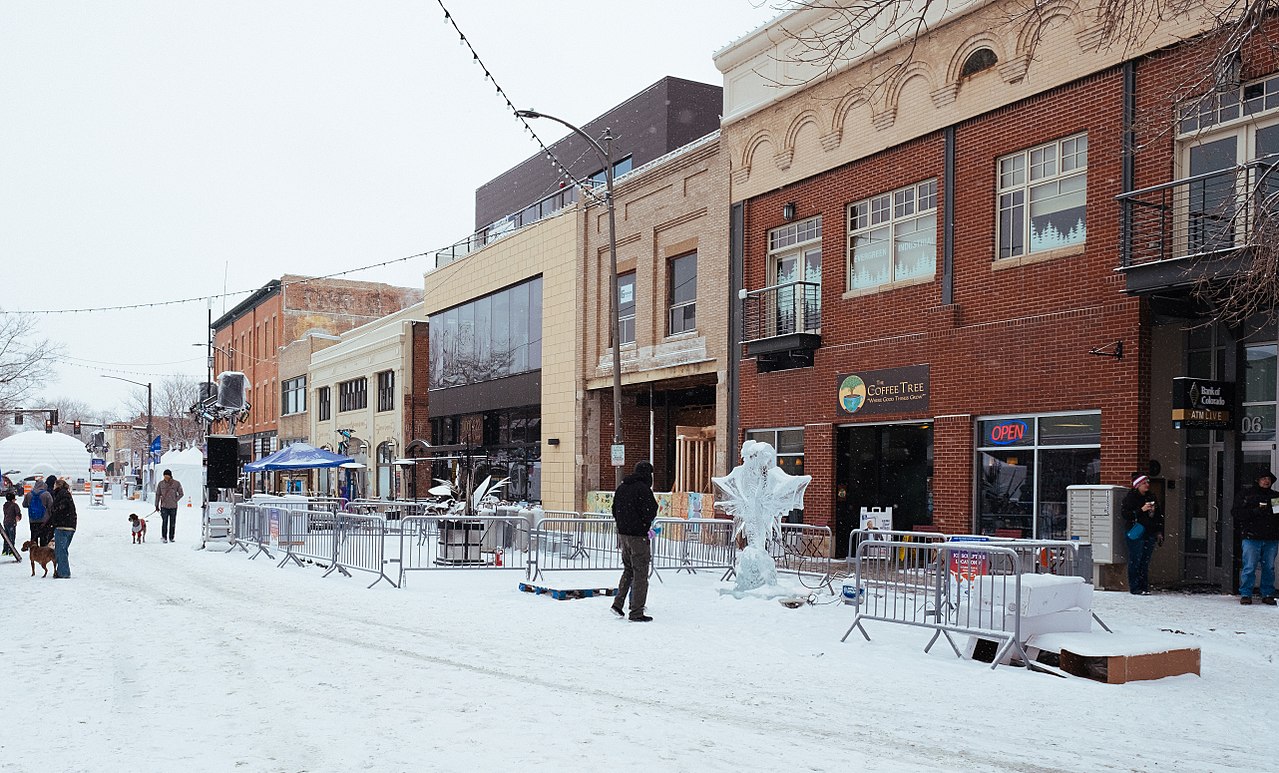
Downtown serves as a primary gathering spot for food, arts, and entertainment. The restored 1920 Rialto Theater hosts regular concerts, indie films, and theatrical performances on East 4th Street, just down the road from the Loveland Museum. Right nearby, the Foundry development brings a steady stream of energy with apartments, casual dining, a movie theater, and an open plaza featuring summer concerts and a splash pad for kids. It is an easy area to spend a weekend afternoon browsing local boutiques, grabbing dinner, or visiting neighborhood craft breweries.

Art is everywhere you look in Loveland, from bronze statues along street corners to installations throughout neighborhood parks. The city was one of the first in Colorado to invest directly in municipal artwork, building an impressive collection of sculptures over the decades. Benson Sculpture Garden is the centerpiece of the local arts scene, featuring winding walking paths around ponds and more than 170 permanent sculptures. Every August, the park also hosts Sculpture in the Park, the largest outdoor juried sculpture show in the country, attracting artists and art lovers from all over the world.
Top Rating Signals
Highest current ratings for this town.
Loading town details...