
Monrovia, CA
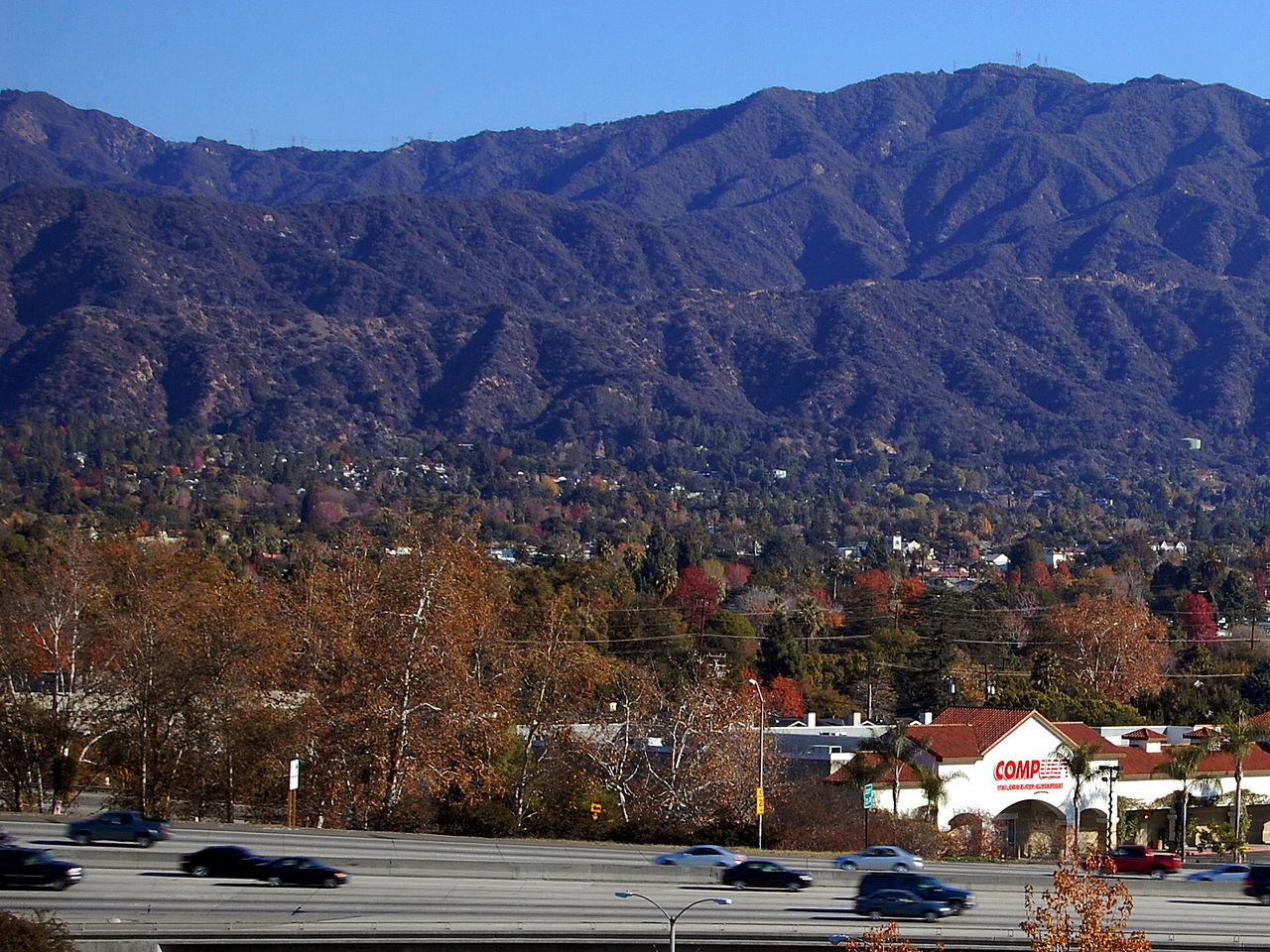
- Elevation
- 572 ft
- General Quality Overall rating out of 100
Highlights
What stands out in Monrovia
Explore
More places like Monrovia
About Monrovia
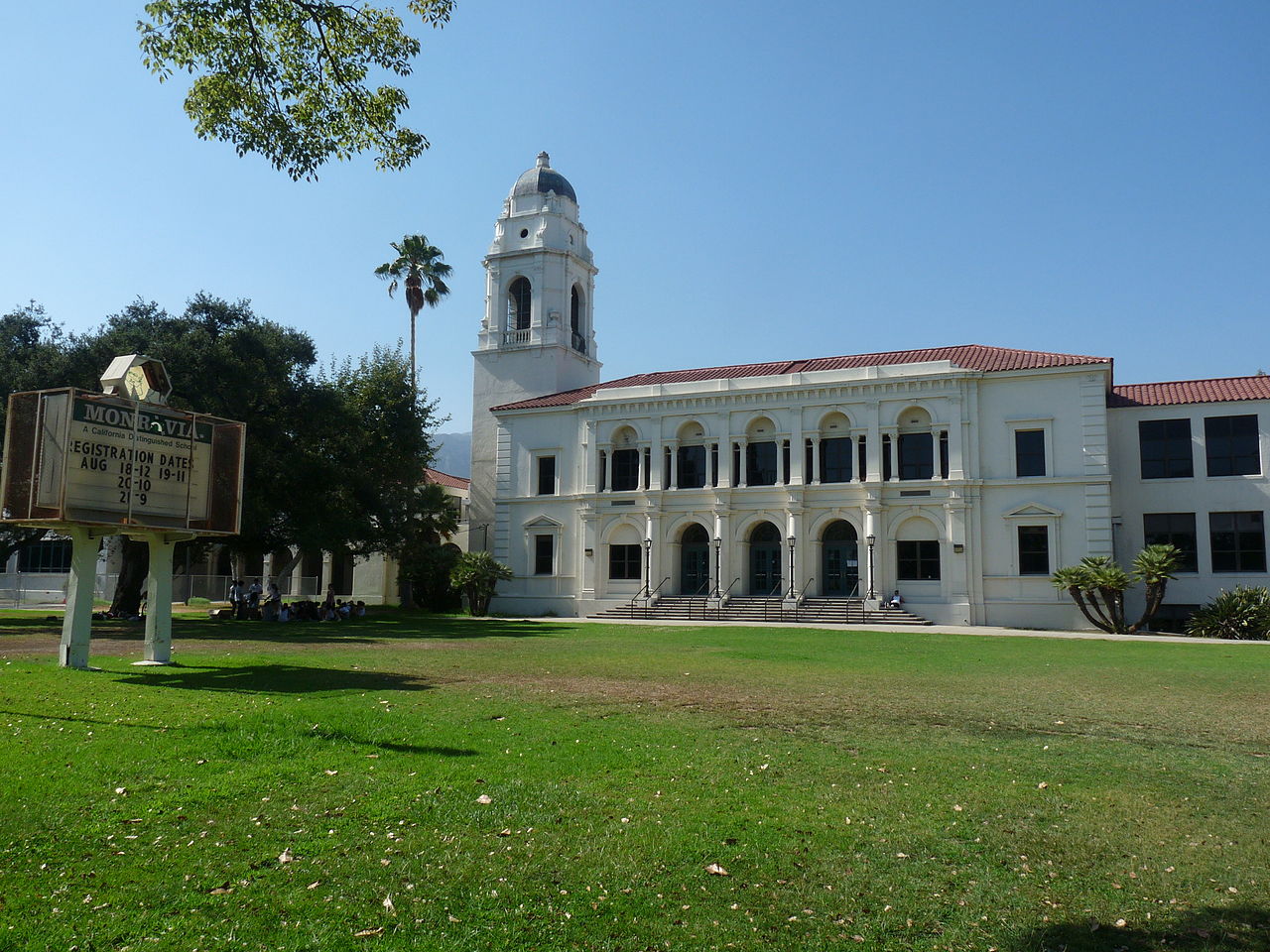
Monrovia offers a rare blend of early Southern California history and easygoing foothill charm. Founded in the late 1880s as one of Los Angeles County's earliest incorporated cities, the town still preserves its original historic layout along Myrtle Avenue. Tree-lined residential streets are filled with classic Craftsman bungalows, Victorian houses, and vintage architecture that give the neighborhoods a distinct sense of place. It feels like a genuine small town nestled against the San Gabriel Mountains, offering a warm, established character that can be hard to find elsewhere in Greater LA.
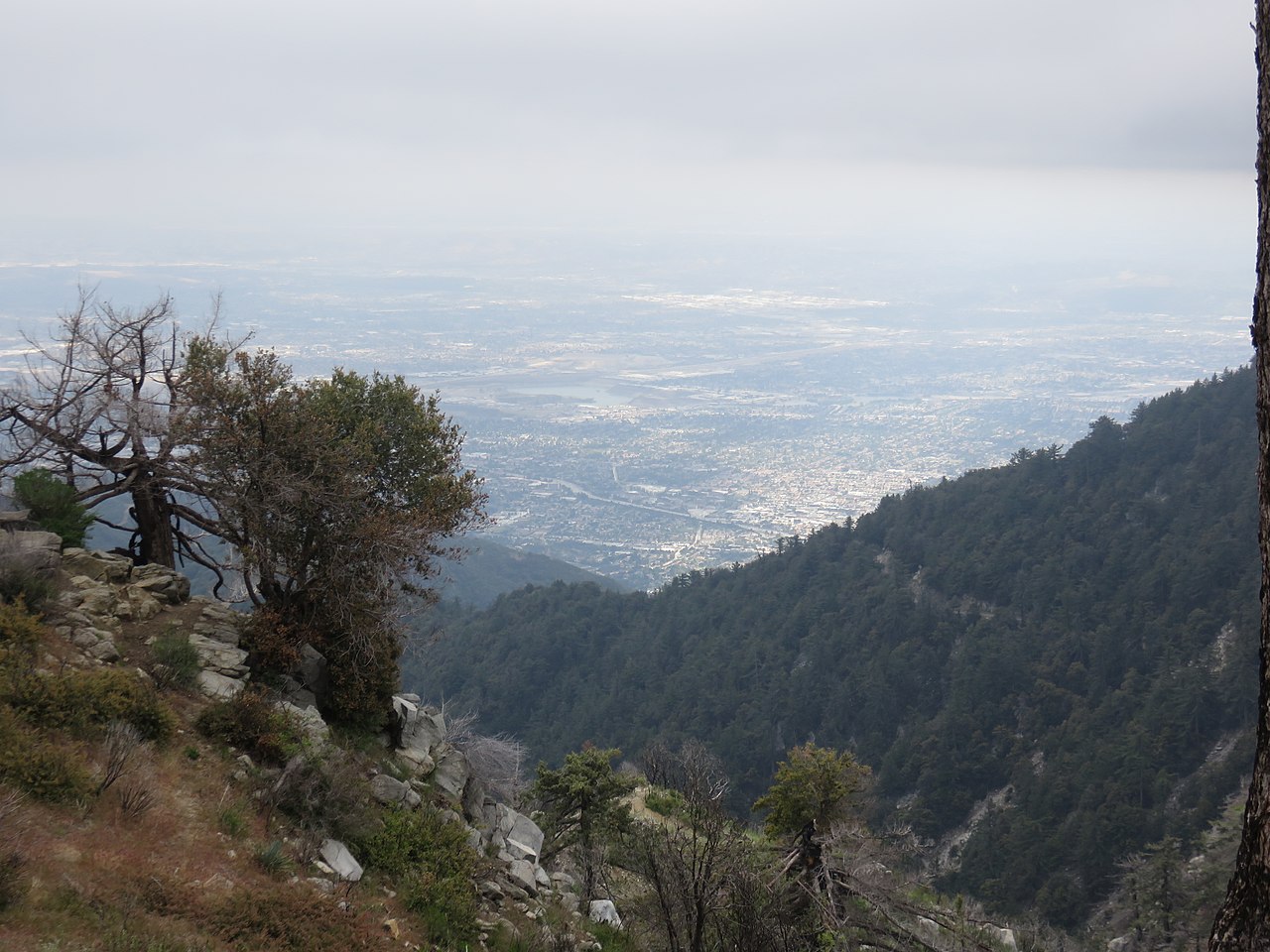
Following Myrtle Avenue north leads straight into the foothills and Monrovia Canyon Park. This mountain canyon is a favorite local weekend escape, featuring shaded hiking paths, picnic areas, and a popular trail winding up to a natural waterfall. The park recently upgraded its facilities, welcoming hikers back with improved trails, scenic overlooks, and a renovated nature center featuring wildlife exhibits and community programs. Living so close to the wilderness means you will frequently spot deer wandering along quiet residential lanes, giving the northern edge of town a calm, rustic mountain feel.

On the south end of town, Monrovia Station anchors Station Square, making regional commutes remarkably straightforward. The station connects directly to the Metro A Line, giving residents a quick rail ride into Pasadena, Glendale, and Downtown Los Angeles. Modern apartment communities have popped up around the transit plaza, providing low-maintenance living options alongside the city's traditional single-family homes. Monrovia also hosts a surprisingly robust business community, serving as the longtime corporate home of Trader Joe's alongside several innovative aerospace, biotech, and research firms.
Daily social life centers on Old Town Monrovia, where Myrtle Avenue turns into a lively, walkable hub of sidewalk cafes, local boutiques, craft breweries, and family-owned restaurants. Every Friday night, several blocks close to vehicle traffic for the long-running Friday Night Family Street Fair, which fills the street with farm produce, food booths, and live entertainment. Throughout the year, community events keep neighbors connected, from summer concerts on the grass at Library Park to holiday parades, creating a friendly, tight-knit environment that makes it easy to feel at home.
Top Rating Signals
Highest current ratings for this town.
Loading town details...