
Niagara Falls, NY
- Elevation
- 615 ft
- General Quality Overall rating out of 100
Highlights
What stands out in Niagara Falls
Explore
More places like Niagara Falls
About Niagara Falls
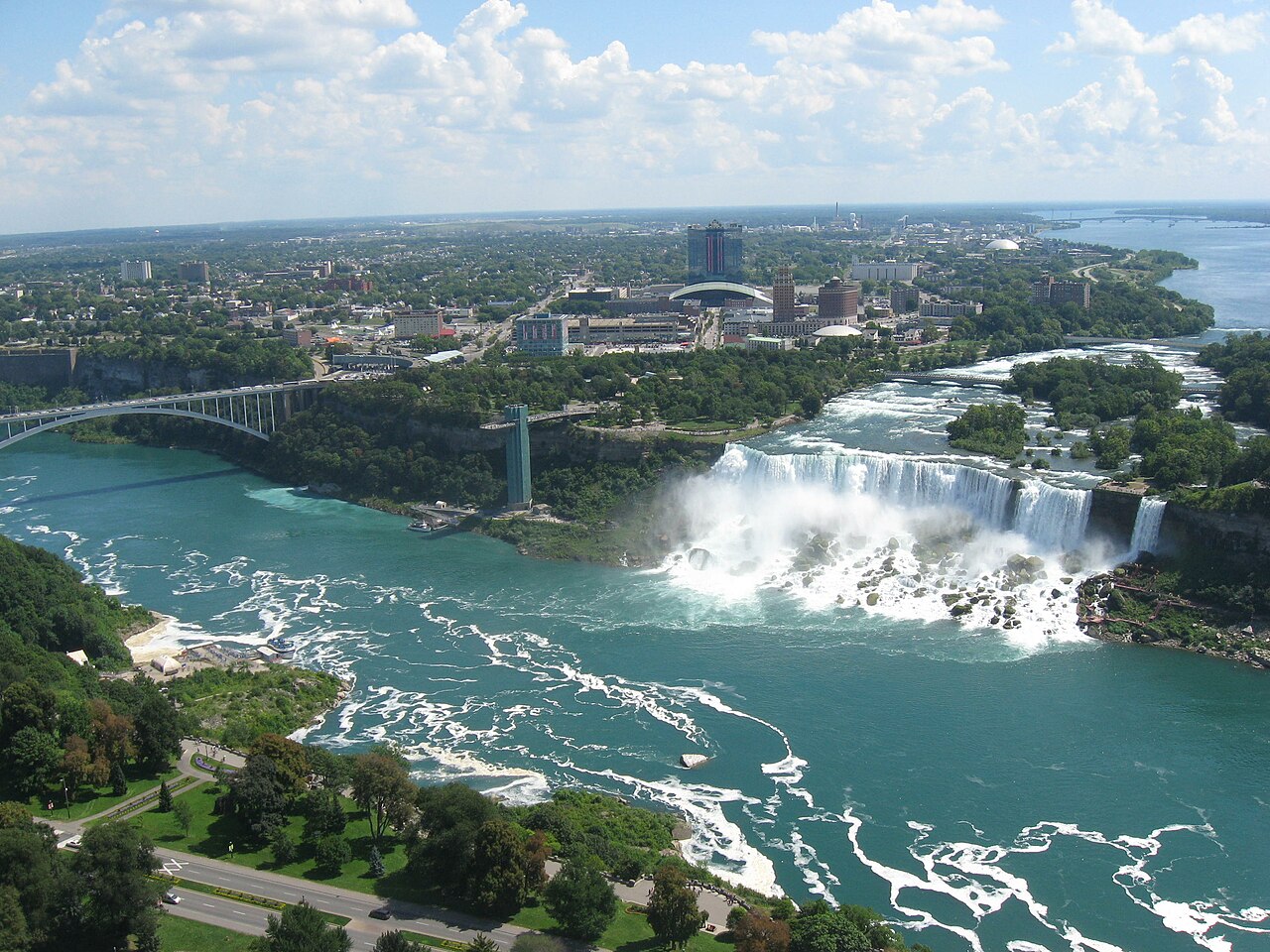
Living in Niagara Falls means sharing your hometown with one of the most famous natural wonders in the world, but day-to-day life quickly settles into a familiar community rhythm. Most residents live well inland from the tourist core, spread across established neighborhoods like LaSalle, Little Italy, and the North End. Housing ranges from historic two-story homes and duplexes near the city center to quieter postwar ranches and suburban subdivisions on the east side. The city changes pace with the seasons, shifting from quiet winter months to bustling summer weekends when visitors fill the state park. Canada is right across the river, making day trips to Ontario simple with a passport, though holiday border traffic can occasionally slow down your crossing.

The local economy is anchored by a mix of healthcare, tourism, education, and light manufacturing. Major employers in the area include Niagara Falls Memorial Medical Center, the Seneca Niagara Resort, school districts, and municipal services, with many residents commuting about twenty to thirty minutes south to Buffalo or north to Niagara University. The Niagara River and its massive hydroelectric plants shaped the region's industrial past, while today's community balances working-class roots with cultural preservation. Spots like the Niagara Falls Underground Railroad Heritage Center highlight the city's historic role as a crucial crossing point to freedom, adding rich character to the neighborhood near the gorge.

Everyday routines revolve around local spots far from the hotel strip. Pine Avenue serves as the commercial heart of the community, packed with long-running Italian bakeries, pizza joints, delis, and neighborhood service shops. For outdoor recreation, Hyde Park offers hundreds of acres with an eighteen-hole golf course, an ice rink, bocce courts, and a fishing lake, while the gorge rim trails at Devil's Hole and Whirlpool State Parks provide quiet, dramatic views of the rapids. Getting around town is straightforward by car, which is the most practical way to handle grocery runs and regional commutes, though NFTA buses connect major corridors. Winter brings cold temperatures and classic Western New York lake-effect snow, giving way to warm, green summers filled with backyard barbecues and community festivals.

Home prices in Niagara Falls are among the most affordable in the state, though buyers should plan on doing their homework before making an offer. The city has a high concentration of older homes, so it pays to inspect foundations, roofs, heating systems, and sewer lines, while budgeting for modern insulation to keep winter heating bills manageable. Buyers looking at properties built before 1978 should also check for lead disclosures and past renovations. In neighborhoods like LaSalle, you will find mid-century houses with driveways and private yards, while areas closer to downtown feature older multi-family properties that attract real estate investors. Visiting a neighborhood at different times, including a weekday morning commute, a snowy evening, and a peak summer afternoon, will give you a clear picture of what everyday living really feels like on that block.
Top Rating Signals
Highest current ratings for this town.
Loading town details...