
Palos Verdes Estates, CA
- Elevation
- 217 ft
- General Quality Overall rating out of 100
Highlights
What stands out in Palos Verdes Estates
Explore
More places like Palos Verdes Estates
About Palos Verdes Estates
Driving through Palos Verdes Estates feels worlds away from the busy pace of Greater Los Angeles. Laid out in the 1920s by the famed Olmsted Brothers landscape firm, the city was planned around the natural contours of the hills, with curving, tree-shaded streets and more than a quarter of the land preserved as open parkland. Spanish Mediterranean homes with red-tile roofs blend into the slopes, and ocean views pop up around nearly every bend. As the oldest incorporated city on the peninsula, it has maintained its quiet, village-like character for over a century.

If you are planning to buy a home here, you should get familiar with the Palos Verdes Homes Association and its Art Jury. This local board reviews the exterior appearance of properties throughout the city. Whether you want to build an addition, repaint your trim, replace your roof tiles, or install new windows, your plans need approval from the Art Jury alongside standard city building permits. The process helps protect ocean view corridors and architectural harmony, which maintains property values across the community, though it does require extra patience when you remodel.

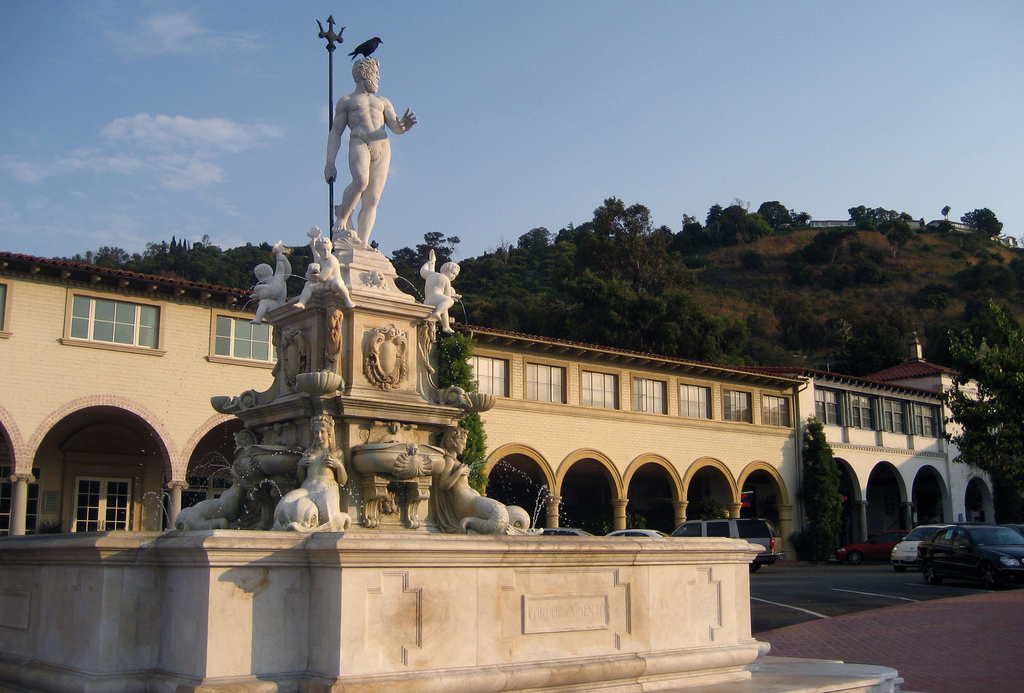
Daily errands and neighborhood hangouts cluster around two small commercial centers, Malaga Cove Plaza and Lunada Bay Plaza. These historic plazas feature independent coffee spots, local markets, specialty boutiques, and relaxed patio dining. Nearby, the 1929 Malaga Cove Library sits beside a shady park with its historic Neptune Fountain, serving as a quiet community anchor. For recreation, residents enjoy the oceanfront Palos Verdes Golf Club, the local tennis club, riding stables, and miles of scenic walking trails woven into the landscape.

Scenic blufftop trails run along Paseo del Mar, giving walkers front-row seats to Pacific sunsets, seasonal whale migrations, and panoramic views of the coastline. Surfers and tidepoolers make their way down the steep paths to rocky shoreline spots like Bluff Cove. New residents also quickly get used to the area's most colorful local feature: wild peafowl. Descended from birds gifted to the peninsula in the 1920s, peacocks and peahens roam freely across front lawns and quiet residential streets, adding a memorable, quirky charm to everyday life in the city.
Top Rating Signals
Highest current ratings for this town.
Loading town details...