
Sandy, UT
- Elevation
- 4,465 ft
- General Quality Overall rating out of 100
Highlights
What stands out in Sandy
Explore
More places like Sandy
About Sandy
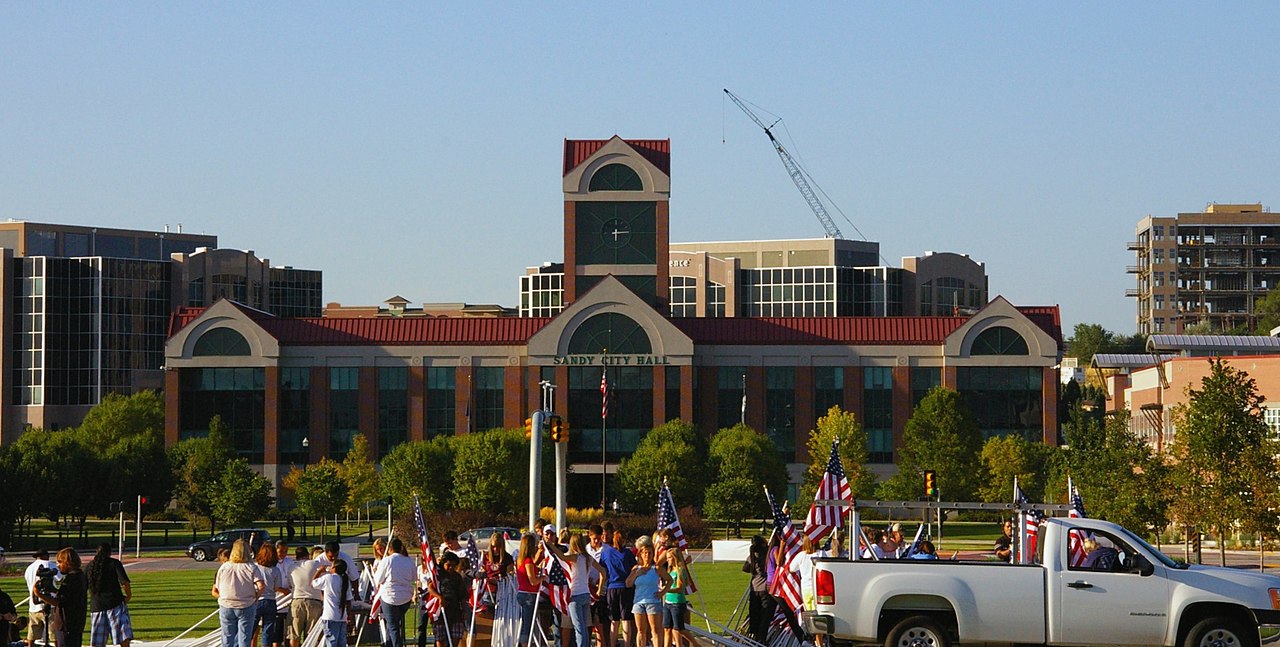
Sandy sits right at the base of the Wasatch Mountains in the southern Salt Lake Valley, stretching from the scenic foothill neighborhoods near Little Cottonwood Canyon out west past Interstate 15. Depending on where you choose to live, the city offers distinct neighborhood flavors. To the east, you will find quiet residential streets, great mountain views, and Dimple Dell Regional Park, a vast natural ravine with miles of trails for hiking, biking, and horseback riding. Closer to State Street and the freeway, you will find Historic Sandy alongside bustling retail districts and multiple light rail TRAX stations that offer an easy, direct commute into downtown Salt Lake City.

The city originally took shape in the late 1800s as a bustling supply and smelting hub for the silver mines up in Little Cottonwood Canyon and Alta. When the mining era faded, fertile soil helped Sandy transition into a peaceful farming and orchard community for several decades. That quiet pastoral setting began changing rapidly in the 1970s as the Salt Lake area expanded southward. Sandy quickly evolved into one of the valley's most desirable suburban communities, drawing new residents with spacious homes, safe streets, and unmatched proximity to the canyons.

Today, the city’s commercial core along State Street and I-15 acts as a lively entertainment hub for the south valley. Soccer fans fill America First Field to cheer on Major League Soccer's Real Salt Lake and the Utah Royals, bringing an energetic gameday atmosphere to the area. Right next door, the Mountain America Expo Center hosts a steady calendar of consumer expos, craft fairs, and community events throughout the year. With a wide selection of shopping plazas, familiar restaurants, and local businesses nearby, running daily errands or grabbing dinner out is consistently simple.

Community traditions play a huge role in Sandy's everyday appeal. During the summer, neighbors pack picnic blankets to watch concerts at the Sandy Amphitheater or grab dinner together at the weekly food truck nights in the park. Events like the annual Sandy Balloon Festival and the hometown Heritage Festival keep residents connected across generations. With world-class skiing and hiking just twenty minutes away and plenty of conveniences at home, Sandy provides an easygoing mountain-valley lifestyle that is hard to beat.
Top Rating Signals
Highest current ratings for this town.
Loading town details...