
Tuscaloosa, AL
- Elevation
- 225 ft
- General Quality Overall rating out of 100
Highlights
What stands out in Tuscaloosa
Explore
More places like Tuscaloosa
About Tuscaloosa
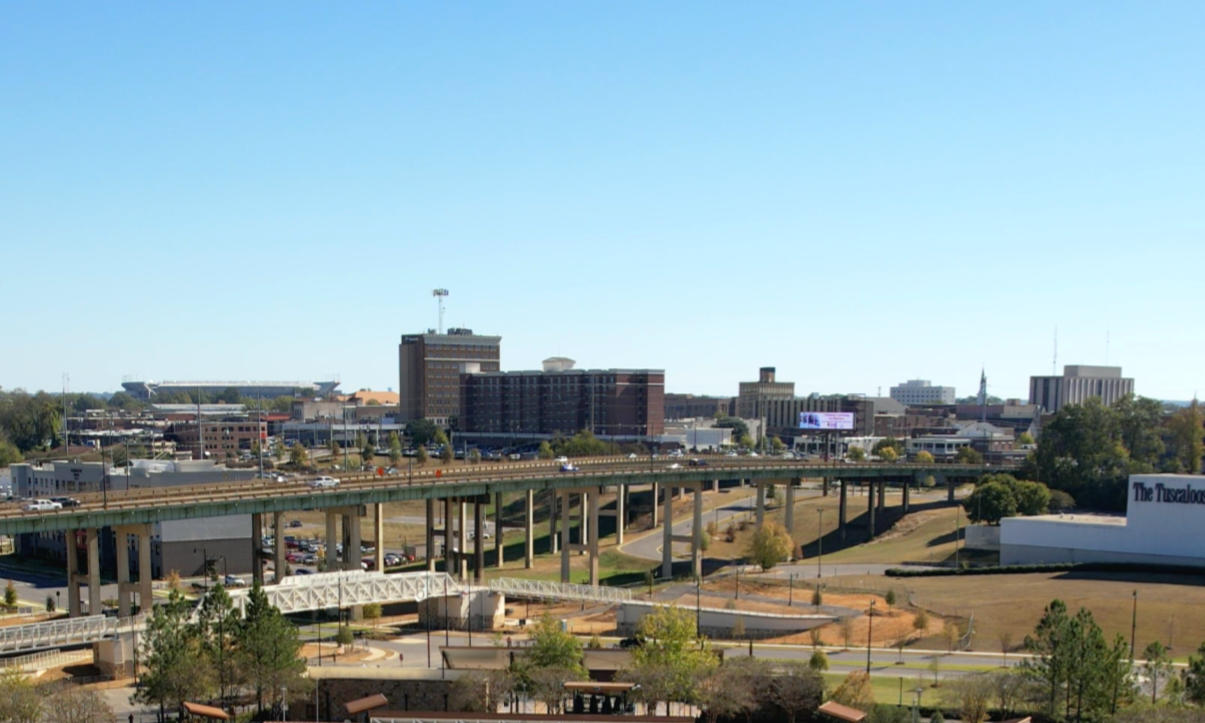
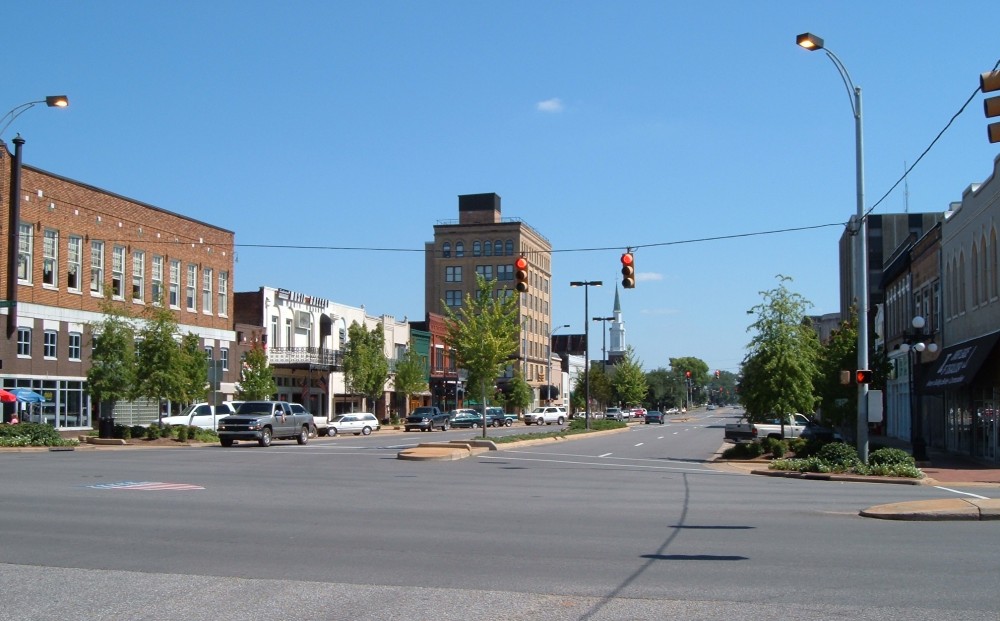
Tuscaloosa sits along the banks of the Black Warrior River, blending classic Southern history with the energetic pulse of a major college town. Home to around 100,000 residents alongside more than 40,000 University of Alabama students, the city moves to the rhythm of the academic year, reaching its peak energy on fall game days. Downtown is compact and walkable, filled with local barbecue joints, casual cafes, and historic brick storefronts. Just west of the city center, Capitol Park preserves the stone foundations of Alabama's 1830s statehouse, providing a quiet, tree-shaded spot to relax right in town.
The University of Alabama shapes much of the city's daily rhythm and cultural identity. The campus played a major role in the civil rights movement, where pioneers like Autherine Lucy, Vivian Malone, and James Hood challenged segregation to open doors for future generations. Today, the university serves as the area's largest employer, fueling research, local commerce, and arts programming. Healthcare is another cornerstone of the local job market, anchored by DCH Regional Medical Center on University Boulevard, which offers comprehensive emergency, cardiac, and cancer care for West Alabama.

Outside of education and healthcare, Tuscaloosa has grown into a major manufacturing hub. The nearby Mercedes-Benz plant in Vance, along with dozens of automotive suppliers across the county, provides thousands of industrial and engineering jobs that attract newcomers from all over. The Black Warrior River continues to operate as a working commercial waterway, while Interstate 20/59 makes it easy to commute to Birmingham in under an hour. Getting around town is simple by car, supplemented by local bus routes, bike paths, and campus shuttles.

Free time in Tuscaloosa revolves around the outdoors and a growing calendar of community events. The paved Tuscaloosa Riverwalk winds along the Black Warrior River, linking quiet park benches, scenic overlooks, and the open-air Mercedes-Benz Amphitheater for live concerts. On Saturday mornings, residents gather at the Tuscaloosa River Market for local produce and handmade goods. A few blocks inland, Government Plaza hosts family movie nights and community celebrations like the annual Druid City Arts Festival, giving the city a friendly, grounded feel.
Top Rating Signals
Highest current ratings for this town.
Loading town details...