
Arlington Heights, IL
- Elevation
- 703 ft
- General Quality Overall rating out of 100
Highlights
What stands out in Arlington Heights
Explore
More places like Arlington Heights
About Arlington Heights
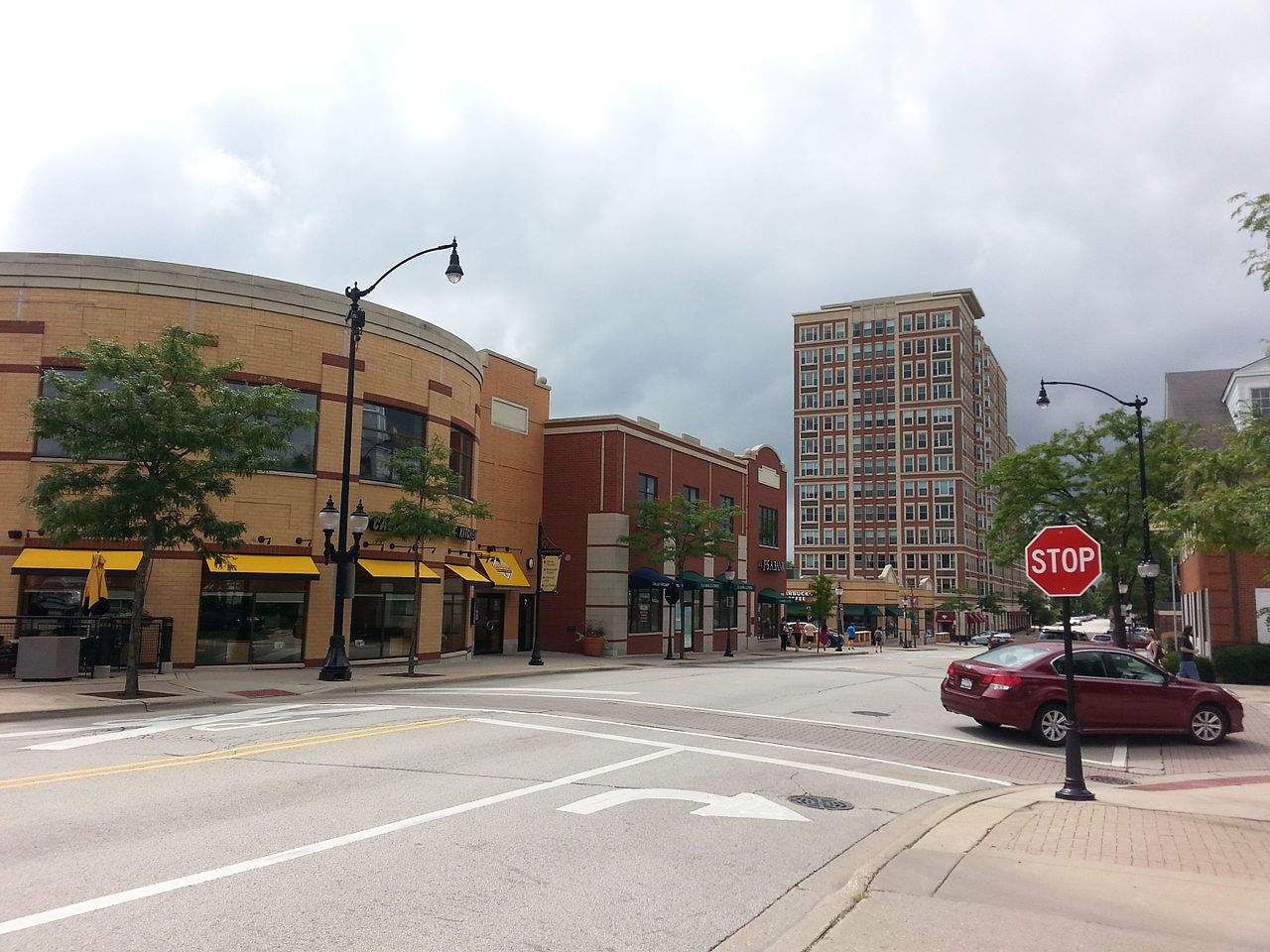
Arlington Heights offers great transit connections with two Metra commuter rail stations on the Union Pacific Northwest Line. The downtown station drops you right in the middle of a walkable town center filled with local restaurants, coffee shops, boutiques, apartments, and the Metropolis Performing Arts Centre. Further northwest, the Arlington Park station sits alongside the massive former racecourse property, which is currently slated for future redevelopment. Having two rail stops makes daily commuting into downtown Chicago or traveling around the northwest suburbs smooth and convenient.

Downtown serves as the social heart of the village. Metropolis hosts live theater, concerts, and comedy routines, along with a popular performing arts school for all ages. A couple of blocks away, the Arlington Heights Memorial Library consistently ranks among the top libraries in the state, featuring a dedicated Makerplace equipped for 3D printing, sewing, and culinary workshops. Outside downtown, major commercial corridors provide easy shopping at popular retail centers, while Northwest Community Hospital anchors the village with a large healthcare campus and comprehensive medical services.

The village has a rich history that started around the mid-nineteenth-century rail depot, evolving over the decades into one of the area's premier residential suburbs. You can explore that heritage at the Arlington Heights Historical Museum, where vintage homes and local exhibits sit on a quiet campus near Recreation Park. Today, established neighborhoods feature tree-lined streets, strong public schools, and a variety of housing styles ranging from mid-century homes to newer builds.

Recreation options are everywhere, thanks to an active park district with community centers at Camelot, Frontier, Heritage, Pioneer, and Recreation parks. These neighborhood hubs offer outdoor swimming pools, sports leagues, playgrounds, and seasonal classes. Near the center of town, the Arlington Ridge Center provides an expansive fitness complex with four indoor pools, a running track, and gymnasiums. For outdoor exercise, Lake Arlington offers a scenic two-mile paved loop popular with joggers, walkers, and cyclists, plus spots for sailing and kayaking. Every summer, locals gather at Recreation Park for Frontier Days, a favorite annual festival with carnival rides, food booths, and live concerts.
Top Rating Signals
Highest current ratings for this town.
Loading town details...