
Elgin, IL
- Elevation
- 739 ft
- General Quality Overall rating out of 100
Highlights
What stands out in Elgin
Explore
More places like Elgin
About Elgin
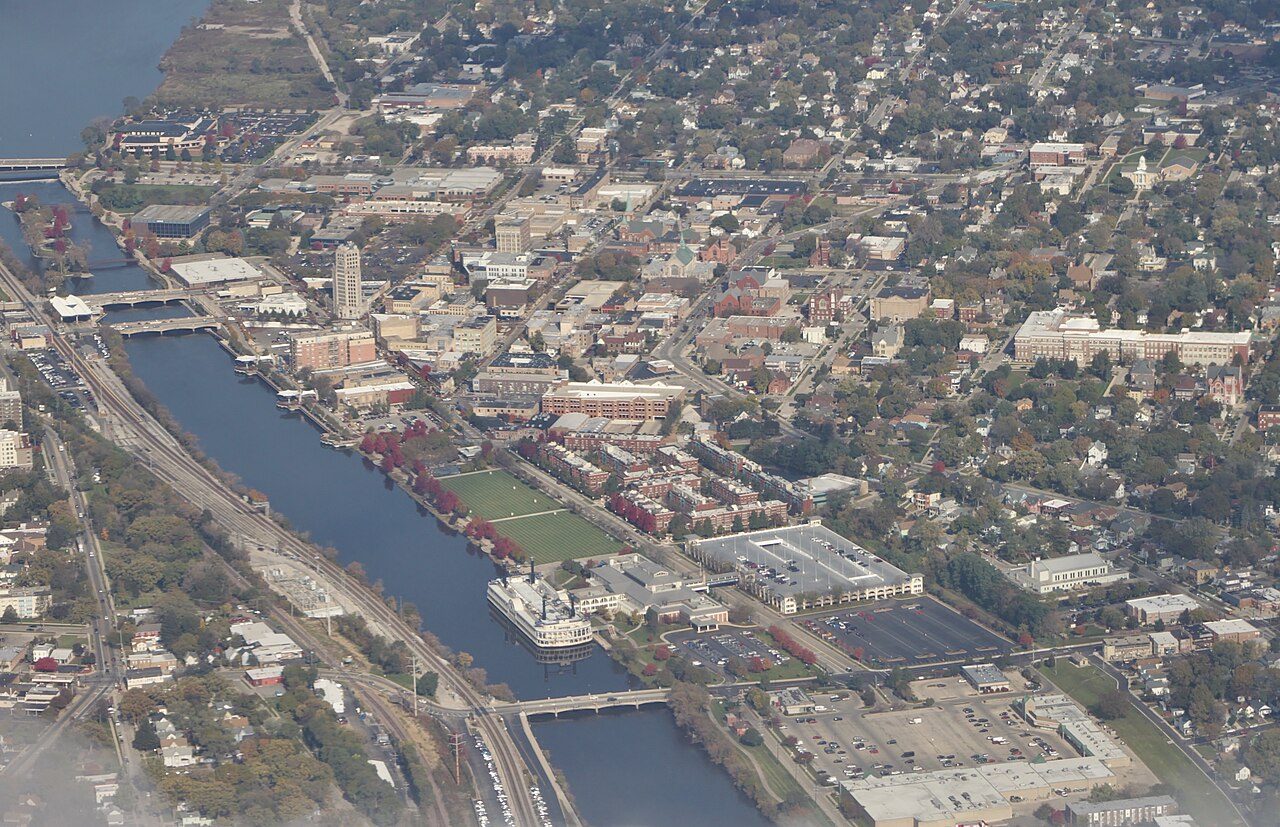
Life in central Elgin revolves around the Fox River, which cuts right through the heart of town. The downtown Riverwalk offers a scenic path connecting spots on both banks, making it easy to stroll along the water between errands and outings. Several of the city's main cultural destinations sit directly on the riverfront, including the Hemmens Cultural Center, home to the Elgin Symphony Orchestra, and the Gail Borden Public Library, known for its busy event calendar and river views. With the central Metra station just steps away, the downtown core brings together concerts, library visits, and daily rail commutes in one walkable area.

The city owes much of its identity to its early boom as a manufacturing and agricultural hub. Settled in the 1830s, Elgin grew rapidly after river dams powered early mills and the railroad connected local farmers to Chicago. The area soon earned a reputation for dairy production before becoming world-famous as the home of the Elgin National Watch Company. At its peak, the company was the largest producer of fine pocket watches and wristwatches in the country. While those original watch factories are gone, that craft heritage helped shape the town's pride and historic charm.

That focus on practical skills continues today at Elgin Community College, a major local anchor offering university transfer classes and hands-on career training. For anyone looking to move here, the residential side of Elgin offers great variety and character. The Spring-Douglas Historic District, located just north of downtown, features quiet, tree-lined streets filled with well-preserved Victorian and Queen Anne homes built during the city's 19th-century economic peak.

Architecture enthusiasts will also find historic cobblestone buildings, early Sears catalog kit homes, and modern subdivisions spread throughout the community. Commuting is straightforward thanks to three separate Metra stops on the Milwaukee District West Line: National Street, downtown Elgin, and Big Timber Road. These stations give different corners of the city an easy route into downtown Chicago, while nearby access to Interstate 90 and local Pace buses makes regional travel simple.
Top Rating Signals
Highest current ratings for this town.
Loading town details...